

Top Decking Materials Compared: Wood, Composite, and PVC
Building a deck is one of the most rewarding home improvement projects, adding both functional outdoor living space and property value. But choosing the right decking material is crucial to achieving a balance of aesthetics, durability, maintenance, and budget. The three most popular options—wood, composite, and PVC—each offer distinct advantages and drawbacks. In this post, we’ll compare them side by side to help you make an informed decision for your next deck project.
Natural Wood Decking
Overview:
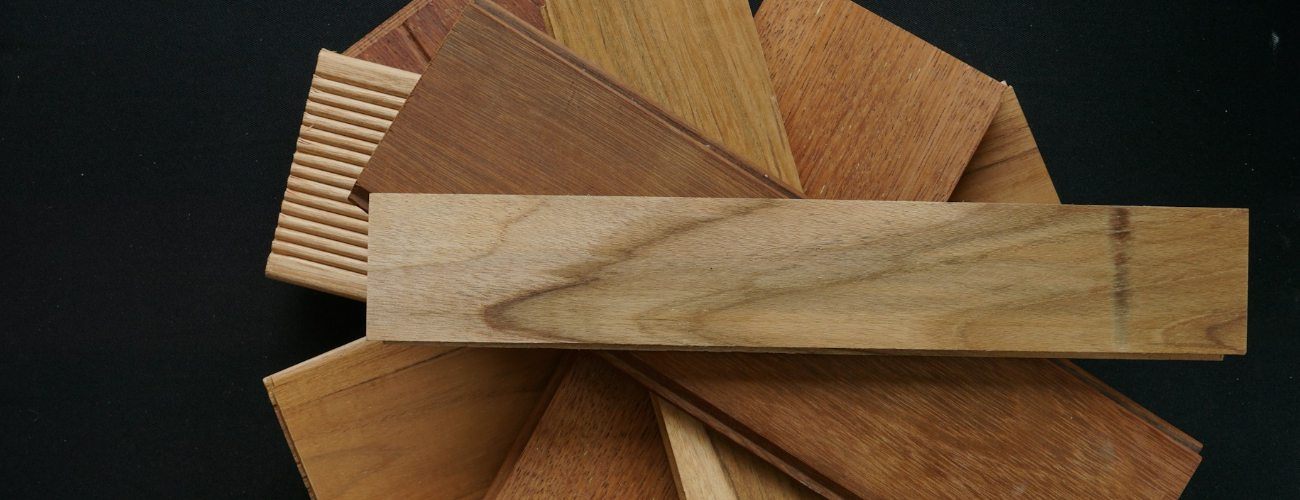
Wood has long been a classic decking material, appreciated for its natural beauty, affordability, and versatility. Common choices include pressure-treated pine, cedar, and redwood. Premium hardwoods like ipe and mahogany are also available for a more luxurious look.
Pros:
- Warm, traditional aesthetic
- Easy to cut, stain, or paint
- Readily available and often budget-friendly
- Can be sanded and refinished
Cons:
- Requires regular maintenance (staining, sealing)
- Prone to rot, warping, and insect damage if untreated
- Color fades over time in sun and rain
- Splinters and cracks can develop over the years
Best for: Homeowners who love the charm of real wood and are prepared to invest time in maintenance to preserve its look and integrity.
Composite Decking
Overview:
Composite decking is made from a blend of wood fibers and recycled plastic. It is engineered to mimic the appearance of real wood while offering improved durability and lower maintenance.
Pros:
- Resists rot, warping, and insect damage
- No need for painting, staining, or sealing
- Long lifespan (20–30+ years)
- Consistent color and texture
- Available in a wide range of colors and wood-look finishes
Cons:
- Higher upfront cost than pressure-treated wood
- Can become hot under direct sunlight
- Heavier than natural wood
- May show surface scratching over time
Best for: Busy homeowners seeking a long-lasting, low-maintenance deck with the appearance of wood and the strength of modern materials.
PVC (Polyvinyl Chloride) Decking
Overview:
PVC decking is 100% plastic and does not contain any organic material. It’s the most resilient and water-resistant of the three options, making it ideal for harsh weather or moisture-prone areas like coastal regions.
Pros:
- Completely waterproof
- Immune to mold, rot, and insect damage
- Extremely low maintenance
- Lightweight and easy to clean
- Long lifespan and excellent warranties
Cons:
- Most expensive decking material
- Can look less natural than wood or composite
- Surface may feel slippery when wet
- Can expand and contract with temperature changes
Best for: Homeowners who live in humid, wet, or coastal environments and want a maintenance-free deck that lasts for decades.
Final Thoughts
The best decking material depends on your budget, location, and lifestyle needs. If you value tradition and craftsmanship, wood may be the right fit. If you prefer convenience and long-term performance, composite or PVC will likely be more suitable. Whichever option you choose, investing in a quality deck will create an enjoyable outdoor space that adds lasting value to your home.