

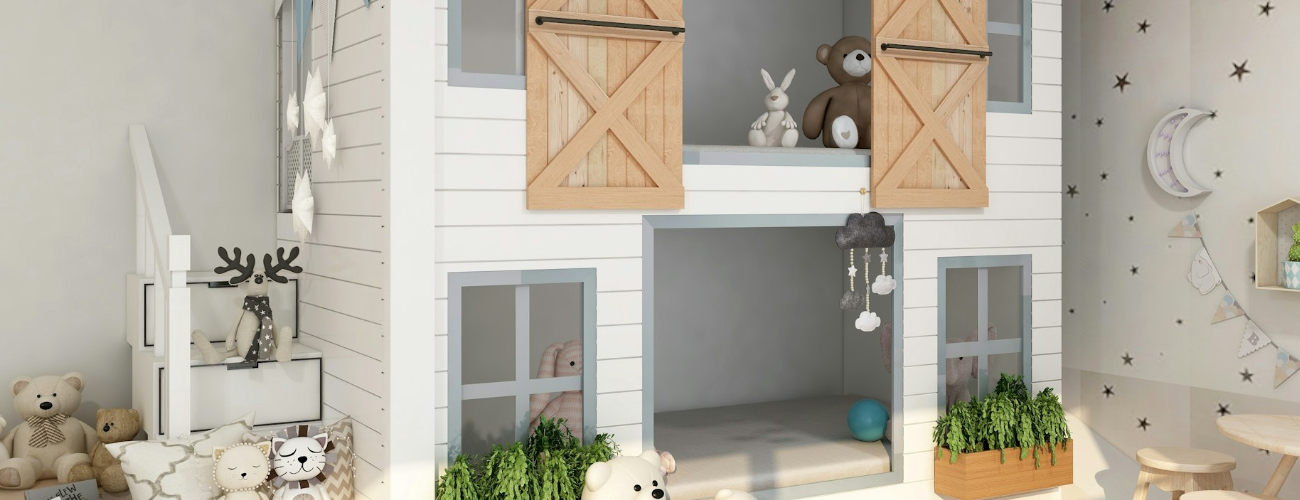
Creative Spaces for Kids: Art, Play, and Learning Zones
Designing a space for children goes beyond simply decorating with bright colors and toys. A truly effective kids’ room should nurture creativity, encourage learning, and support play—all while adapting to the needs of a growing child. By thoughtfully organizing and styling creative spaces within the home, parents can inspire imagination, promote independence, and foster development in a fun and functional environment.
Why Create Defined Zones?
Children thrive in spaces that are clearly defined and purpose-driven. Dividing a room into dedicated zones—for art, play, and learning—helps kids understand how to use their space effectively. It also teaches organization, supports focus, and reduces clutter by giving everything a place.
Designing the Art Zone: Messy, Inspiring, and Accessible
The art zone should be a place where children feel free to experiment. Focus on:
- Easy-to-clean surfaces, such as a washable table or chalkboard paint wall
- Open shelving or cubbies for organizing paints, paper, brushes, and tools
- Display boards or string-and-clip systems to showcase their artwork
- Adjustable seating that fits the child’s size and supports proper posture
Use bold, stimulating colors and tactile materials to make this area visually exciting while still functional.
Creating a Play Zone: Imaginative and Engaging
The play zone is the heart of fun and imagination. Tailor this area to suit your child’s interests:
- Soft rugs or play mats to define the space and cushion rough play
- Toy storage bins sorted by type to encourage cleanup
- Dress-up racks, play kitchens, or building blocks to fuel creativity
- Space-saving furniture like cube organizers or multi-use benches
Keep safety in mind—use rounded furniture, secure shelving to the wall, and ensure all toys are age-appropriate and within reach.
Establishing a Learning Zone: Focused and Calm
Children need a quiet and structured place to read, write, and do homework. A learning zone should offer:
- A child-sized desk and ergonomic chair
- Ample lighting, preferably near a window or with an adjustable lamp
- Minimal distractions—opt for calm colors and tidy surroundings
- Organizers for school supplies, books, and learning materials
Incorporating educational posters, a globe, or alphabet art can create a studious atmosphere without making it feel rigid.
Multi-Purpose and Flexible Design
As children grow, their needs change. Invest in adjustable furniture, like height-changing desks or stackable chairs, and use modular storage that can be reconfigured as needed. Consider furniture on wheels or folding tables that can be tucked away when space is needed for different activities.
Personalization and Involvement
Allow your child to help personalize their space. This can include:
- Choosing their own art or posters
- Selecting color themes or accessories
- Helping organize supplies or label bins
This involvement builds a sense of ownership and pride, making them more likely to keep the space tidy and use it responsibly.
Smart Storage Solutions for All Zones
A creative space is only as functional as its organization. Combine:
- Open bins for quick access to favorite toys
- Labeled drawers for art supplies and puzzles
- Book rails or floating shelves for easy access and visibility
- Hanging organizers for walls or doors to save space
Rotate items seasonally or as interests shift to keep the environment fresh and exciting.
Safety and Durability
Choose non-toxic materials, rounded edges, and sturdy construction for all furniture and accessories. Washable paint, low-VOC finishes, and spill-resistant surfaces make maintenance easier and safer for young users.
Conclusion
Creating a well-designed space that blends art, play, and learning is one of the most valuable investments parents can make in their child’s growth. By organizing distinct zones, using child-friendly furnishings, and encouraging self-expression, you create a space that grows with your child—supporting creativity, curiosity, and confidence every step of the way.