

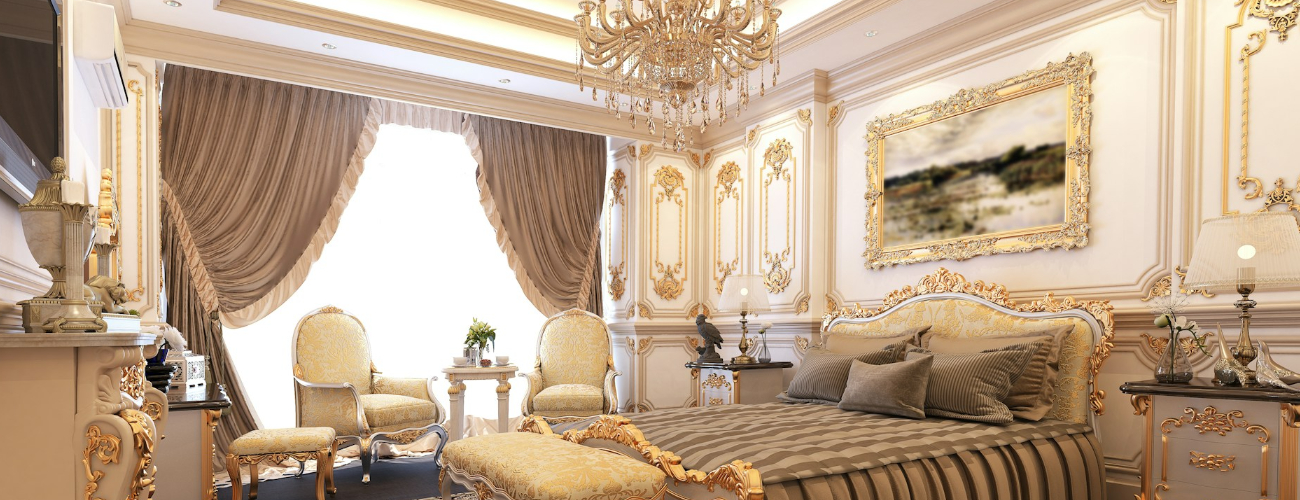
Chandeliers, Pendants & Sconces: How to Use Them
Lighting is one of the most powerful elements in interior design—not only does it enhance visibility, but it also shapes mood, highlights architectural features, and brings a space to life. Among the many lighting options available, chandeliers, pendants, and sconces stand out as both functional fixtures and decorative accents. Understanding when and where to use each of these can transform your home’s ambiance and aesthetic appeal. Here’s a guide to help you use these lighting types effectively in your next design or renovation project.
Chandeliers: Statement Lighting with Drama
What They Are:
Chandeliers are ceiling-mounted fixtures that often feature multiple arms or bulbs. Traditionally associated with formal dining rooms and grand entryways, today’s chandeliers come in a wide range of styles—from ornate crystal designs to sleek modern structures.
When to Use Them:
- To create a focal point in a large space
- To add elegance and height to formal areas
- To draw the eye upward and enhance ceiling height
Where to Use Them:
- Dining Rooms: Hung over the table, a chandelier adds drama and anchors the space.
- Foyers and Entryways: Perfect for making a first impression with high ceilings.
- Master Bedrooms: A chandelier can bring luxury and softness to the center of the room.
- Living Rooms: In open-concept homes, a chandelier can define a seating area.
Design Tip: Choose a chandelier that is proportional to the room’s dimensions and ceiling height. For dining tables, it should be 30–36 inches above the table surface and about one-half to two-thirds the width of the table.
Pendant Lights: Versatile and Focused
What They Are:
Pendant lights are single fixtures suspended from the ceiling by a cord, rod, or chain. They are often used in multiples and can be minimal or decorative, providing both task and ambient lighting.
When to Use Them:
- To provide focused light over specific areas
- To add vertical interest in rooms with flat ceilings
- When flexibility is needed in both style and placement
Where to Use Them:
- Kitchens: Ideal over islands or counters for task lighting.
- Dining Areas: Can replace a chandelier over a small table.
- Hallways or Stairwells: Clustered pendants create visual interest in tall, narrow spaces.
- Bathrooms: Hung beside mirrors as an alternative to traditional vanity lighting.
Design Tip: For multiple pendants, maintain even spacing and consistent height. In kitchens, pendants should hang about 30–36 inches above the countertop for optimal task lighting.
Wall Sconces: Stylish, Subtle, and Supportive
What They Are:
Sconces are wall-mounted fixtures that provide ambient or accent lighting. They’re often used in pairs and can shine upward, downward, or both, depending on their design.
When to Use Them:
- To add layered lighting and reduce shadows
- To highlight artwork or architectural details
- To save space in small rooms or tight hallways
Where to Use Them:
- Bedrooms: Mounted on either side of the bed as reading lights, freeing up nightstand space.
- Bathrooms: Positioned beside mirrors to offer flattering facial lighting.
- Hallways: Provide soft, ambient light and improve safety.
- Living Rooms: Used as accent lighting above mantels or flanking art pieces.
Design Tip: Install sconces at eye level (around 60–65 inches from the floor) to ensure comfortable, glare-free lighting. Pair with dimmers to adjust brightness depending on time of day or activity.
Combining All Three for a Layered Effect
One of the best lighting strategies in interior design is layering—using a mix of light sources to create dimension, mood, and functionality. A well-lit room will usually include:
- A chandelier or pendant as the primary (ambient) light
- Sconces or task lights for focused activities like reading or grooming
- Accent lighting to highlight specific decor or create atmosphere
For example, a dining room might use a chandelier above the table, sconces along the walls, and recessed lights to accent the buffet or artwork. Together, these fixtures work in harmony to balance style and illumination.
Conclusion
Choosing the right lighting fixture is about more than just style—it’s about using light to define how a space feels and functions. Chandeliers offer drama and elegance, pendants provide focused and flexible solutions, and sconces enhance ambiance and detail. When used thoughtfully, these lighting elements can completely transform the look and comfort of any room. So, the next time you update a space, consider not just how it looks in daylight—but how it shines when lit just right.