

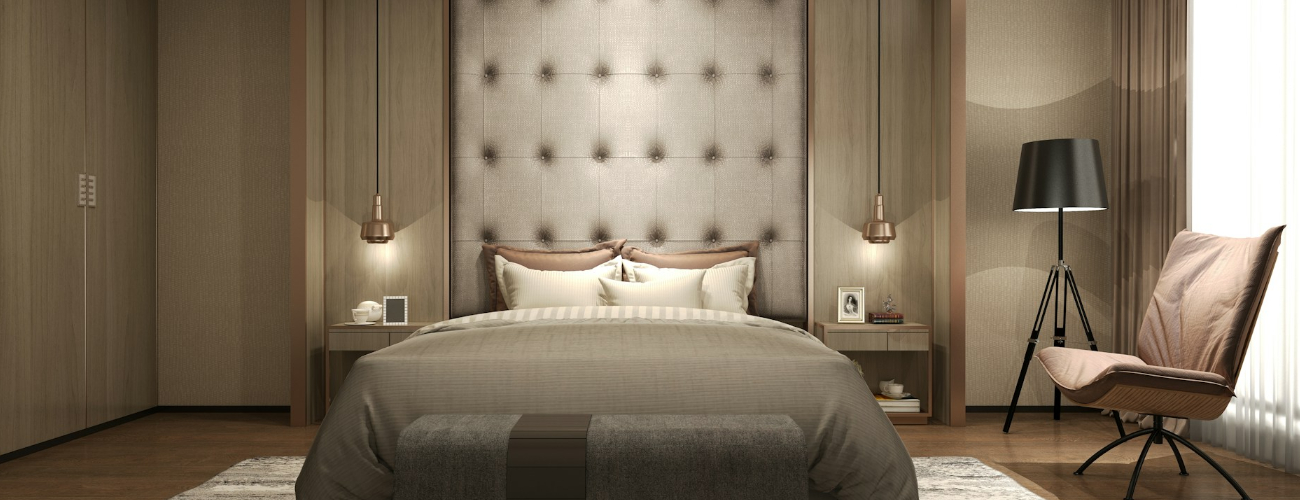
The Timeless Elegance of Beige in Interior Design
Beige has long been a staple in the palette of interior designers seeking to create spaces that are both sophisticated and adaptable. This neutral shade is celebrated for its versatility, blending seamlessly with various decor styles, from minimalist to maximalist, and enhancing the warmth and light of any room. This comprehensive blog post delves into the use of beige in interior design, exploring its benefits, how to integrate it effectively into different spaces, and tips for combining it with other elements to achieve a cohesive and stylish look.
Understanding Beige and Its Variants
Beige is not just one color but a spectrum of light hues that include soft tans, warm creams, and cozy khakis. Each shade can evoke a different mood and style, making beige an incredibly versatile choice for interior design. The key to effectively using beige lies in understanding its undertones, which can range from pinkish or peachy to greenish or golden. Selecting the right undertone is crucial in ensuring that the beige complements other colors in the room and suits the lighting conditions.
Benefits of Using Beige in Interiors
- Versatility: Beige works beautifully with almost every other color, serving as a neutral backdrop that allows other hues to shine. It can be both a soothing base or a balancing element in more vibrant design schemes.
- Expanding Spaces: Lighter shades of beige have the ability to make small rooms appear larger and more open, reflecting light and giving an airy feel to confined spaces.
- Timelessness: Unlike more transient color trends, beige is timeless. It offers enduring appeal, which is ideal for creating a design that remains stylish and appealing over the years.
- Sophistication: Beige interiors can project an understated elegance that is both luxurious and inviting. It’s a popular choice in areas that emphasize comfort and tranquility, such as living rooms and bedrooms.
How to Use Beige Effectively in Interior Design
Choosing the Right Shade:
- Analyze the natural light in your space to determine the right shade of beige. Rooms with plenty of sunlight can handle beiges with cooler undertones, whereas spaces with less light benefit from warmer, richer beiges that add depth.
Combining Textures:
- Layering various textures can prevent a beige room from looking flat. Combine different materials like wood, metal, glass, and textiles in varying shades of beige to create a rich, multi-dimensional aesthetic.
Accent Colors:
- Beige pairs well with a wide array of colors. For a nature-inspired look, combine it with greens, blues, and browns. For something more vibrant, throw in accents of burnt orange, deep red, or navy. Soft pastels like blush pink or baby blue can create a gentle, serene atmosphere.
Furniture and Decor:
- Choose furniture that contrasts with the beige tones of your walls for depth. Dark wood furniture can look striking against a light beige background, whereas white or light-colored furniture can complement a darker beige setting.
Art and Accessories:
- Artwork can introduce color and personality into a beige room. Choose pieces that either starkly contrast or harmoniously blend with the background colors. Metallic frames in gold or brass can also add a touch of luxury to beige walls.
Tips for Decorating with Beige
- Lighting is Key: The beauty of beige can be significantly affected by lighting. Make sure to use warm-toned lighting in rooms with beige decor to enhance the coziness of the space.
- Use Patterns: Beige does not have to be plain. Use patterned beige wallpapers or fabrics to add interest and vitality to the room without overwhelming it with color.
- Mix in Natural Elements: Incorporating natural elements like plants, wooden pieces, or stone can enrich the texture and depth of a beige room, enhancing its connection to the natural world.
- Play with Shades: Don’t shy away from mixing different shades of beige in one room. A monochromatic scheme using diverse tones can create a subtle yet sophisticated visual interest.
Conclusion
Beige is far from boring when used skillfully in interior design. It provides a canvas that invites creativity, allowing other elements of the room to stand out while still imparting warmth and elegance. Whether you are decorating a home or a commercial space, incorporating beige can achieve balance and sophistication, making any interior feel welcoming and beautifully curated.