

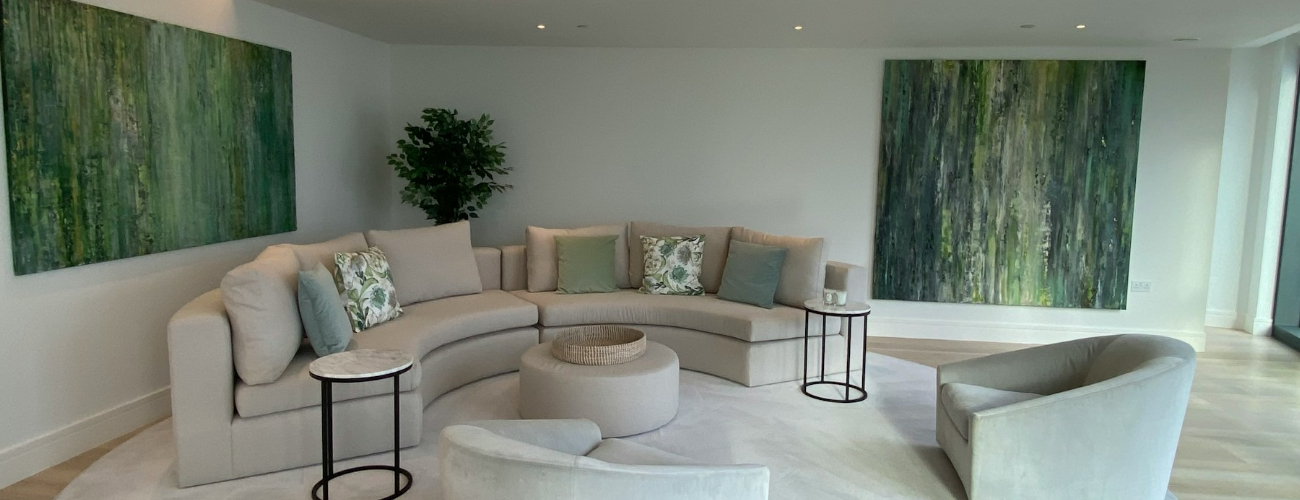
Interior Design Trends 2025
As we approach 2025, the interior design landscape is being shaped by a blend of technological advancements and a renewed commitment to sustainability. These influences are driving a wave of innovation in how spaces are designed, constructed, and experienced. The future of interior design looks promising with trends that emphasize personalization, eco-friendliness, and smart living solutions. This expansive blog post explores the key interior design trends expected to dominate in 2025, offering a glimpse into the future of our living and working environments.
Sustainable and Eco-Friendly Materials
Sustainability is set to remain at the forefront of interior design in 2025. Designers and homeowners alike are prioritizing materials that are not only environmentally friendly but also sustainable over the long term. Expect to see increased use of reclaimed woods, recycled plastics, and upcycled materials that contribute to a smaller environmental footprint. Additionally, biodegradable fabrics and natural materials such as bamboo, cork, and organic cotton will become even more prevalent, reflecting a collective move towards more responsible design practices.
Biophilic Design Elements
Biophilic design, which seeks to connect occupants more closely to nature, will continue to grow in popularity. This approach is known for its mental and physical health benefits, including reduced stress and enhanced well-being. In 2025, indoor gardens, living walls, and larger window installations that provide ample natural light will become integral components of architectural and interior design. The integration of direct or indirect elements of nature into the home and workplace environments will not only be a luxury but a standard practice.
Advanced Smart Home Technologies
Technology will further refine the way we live, with smart home systems becoming more advanced and more integrated. By 2025, technology will be seamlessly integrated into every part of the home, controlled via smartphones or even through voice and gesture. Innovations such as AI-driven temperature control, lighting that adjusts according to the time of day, and furniture with built-in charging stations and health monitoring capabilities will enhance convenience and functionality.
Multifunctional Spaces
As homes continue to serve multiple purposes—such as workplaces, gyms, and recreational areas—flexible design will be crucial. Furniture and spaces that can serve multiple functions will be key in 2025. Convertible desks, foldable chairs, and movable partitions will be standard in many homes, allowing people to easily change their living environment to suit their needs at any given moment.
Emphasis on Personalization and Authenticity
In 2025, interior design will embrace personalization to a greater extent, with bespoke solutions becoming increasingly popular. Customized furniture, unique color schemes, and one-of-a-kind art pieces will allow individuals to express their personality and preferences more fully. This trend will be supported by digital technologies like 3D printing and VR, which will let homeowners experiment with designs before making final decisions.
Revival of Art Deco and Retro-futurism
Art Deco and retro-futuristic aesthetics are expected to make a comeback but with a modern twist. The glamour and opulence of Art Deco will be combined with modern materials and technologies, resulting in spaces that feel both nostalgic and contemporary. This will include geometric patterns, bold color palettes, and the integration of futuristic elements that look to both the past and the future for inspiration.
Maximalism
Contrasting the minimalistic styles that dominated the previous decade, maximalism will rise in 2025 as more people choose to surround themselves with an abundance of colors, textures, and objects. This trend reflects a shift towards more expressive and eclectic interiors that tell a story and create an engaging sensory experience.
Innovative Lighting Solutions
Lighting will play a more pivotal role in interior design come 2025. Innovations in LED technology and the integration of smart lighting systems will allow for dynamic customization of indoor environments. Lighting fixtures will act not only as illumination tools but as artistic statements and mood enhancers.
Conclusion
The interior design trends of 2025 reflect a blend of innovation, personal expression, and a deepening commitment to sustainability. These trends forecast a future where home and work environments are more connected, personalized, and aligned with the natural world. As designers and homeowners alike adapt to these changes, the spaces we inhabit will become more intelligent, eco-friendly, and reflective of our individual tastes and values.