

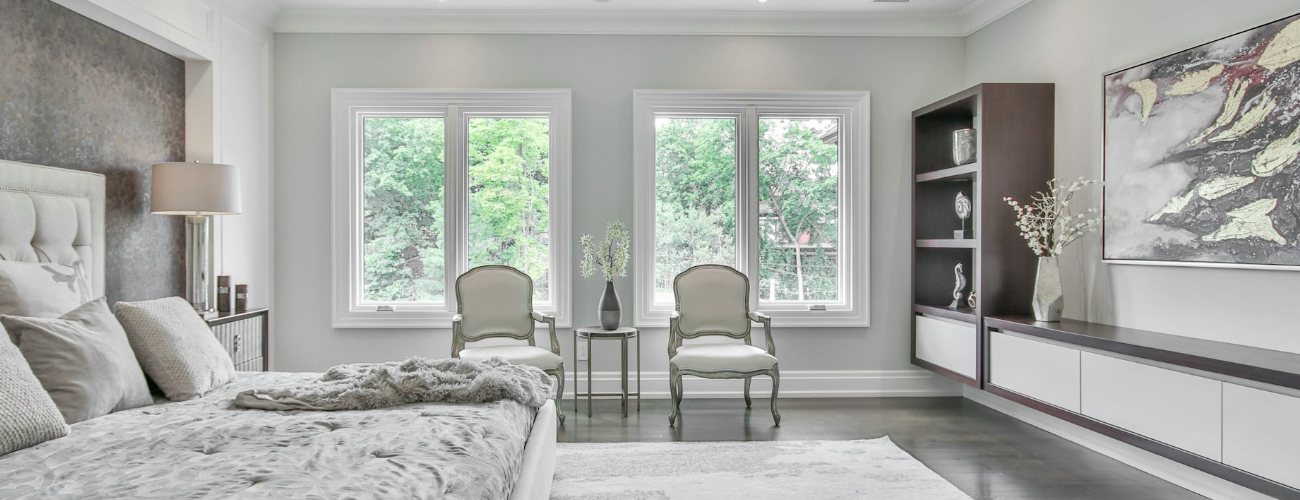
How to Choose Baseboards for the Floor
Baseboards are an essential finishing touch in any room, serving both a functional and aesthetic purpose. They cover the joints between the walls and the floor, protect the walls from wear and tear, and enhance the overall appearance of a space. Choosing the right baseboards can transform the look of your room, making it seem more polished and pulled together. This comprehensive guide will help you navigate the various aspects of selecting the perfect baseboards for your flooring.
Understanding Baseboard Functions and Materials
Functionality:
- Protection: Baseboards help protect the walls from kicks, abrasions, and furniture bumps.
- Concealment: They hide and accommodate the expansion gap required for some types of flooring materials, like hardwood and laminate, which need room to expand and contract with temperature changes.
Materials:
- Wood: The most traditional material, wood baseboards can be painted or stained and provide a classic look. Popular wood types include pine, oak, and maple.
- MDF (Medium Density Fiberboard): An affordable and durable option, MDF is easy to paint but does not handle moisture well, making it less suitable for bathrooms or basements.
- PVC or Vinyl: These materials are moisture-resistant and ideal for humid areas of the home like bathrooms and kitchens. They are easy to clean and install.
- Polyurethane: Lightweight and moisture-resistant, polyurethane baseboards can mimic the look of wood or plaster and are great for intricate designs.
Styles and Sizes of Baseboards
Styles:
- Flat: A minimalistic and modern option, flat baseboards are great for contemporary homes.
- Sculpted Mid-Height: Typically 3 to 5 inches in height, with curvature or sculpted profiles that add a decorative touch.
- Tall and Ornate: Ranging from 5 to 7 inches, these are suited for rooms with high ceilings and traditional decors.
Sizes:
-
• The height of the baseboard should be chosen relative to the room’s ceiling height. Higher ceilings might demand taller baseboards, while shorter ones are typically used in rooms with lower ceilings.
• The thickness of the baseboard should align with the thickness of your flooring. For thicker floors, such as hardwood, a thicker baseboard might be necessary to cover the expansion gap adequately.
Color and Finish
- Matching with Wall Color: Baseboards are commonly painted white to provide a contrast with most wall colors, creating a clean and crisp look. However, painting baseboards in the same color as the wall can extend the wall’s appearance, making the room feel taller.
- Contrasting with Flooring: To create a sophisticated look, consider baseboards that are a shade lighter or darker than your flooring.
- Finish Options: Glossy finishes are easier to clean but will highlight imperfections, while matte finishes can lend a softer and more subtle aesthetic.
Installation Considerations
- DIY or Professional Installation: Depending on your skills and the tools you have available, you might choose to install baseboards yourself or hire a professional. Materials like MDF and PVC are easier to cut and install, whereas wood might require more precise cuts and finishing.
- Sealing and Caulking: Proper installation includes sealing the baseboards at the bottom to prevent moisture from seeping into the material, especially in areas like kitchens or bathrooms. Caulking at the top of the baseboards, where they meet the wall, can give a seamless appearance.
Maintenance Tips
- Cleaning: Regular cleaning of baseboards can prevent dust and allergens from accumulating. The cleaning method may vary by material but generally involves a damp cloth or a designated cleaner for more stubborn stains.
- Touch-Ups: For wood or MDF baseboards, keep some matching paint on hand to touch up any chips or scratches that might occur over time.
Conclusion
Choosing the right baseboards for your flooring involves considering the material, style, size, color, and installation requirements that best fit your home’s design and your practical needs. With the right selection, baseboards not only enhance the beauty of your rooms but also protect your interiors and help maintain the cleanliness and integrity of your walls. Whether you opt for a stark, modern look with flat vinyl baseboards or a more traditional feel with sculpted wood, the right choice can significantly influence the aesthetic and atmosphere of your home.