

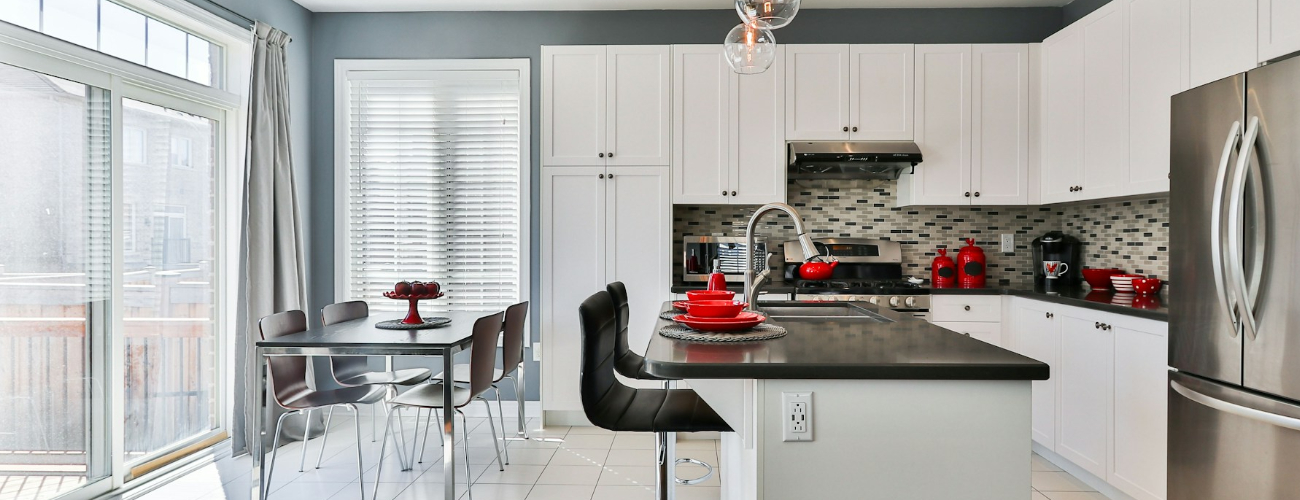
Minimalist Kitchen Design: Clean and Functional Upgrades
Minimalist kitchen design continues to gain momentum as homeowners seek spaces that feel calm, organized, and highly functional. Rather than focusing on decoration, minimalist interiors prioritize clarity, structure, and efficiency. In kitchen renovation projects, this philosophy translates into streamlined cabinetry, restrained color palettes, and practical upgrades that enhance daily use without visual clutter.
The Core Principles of Minimalism in the Kitchen
At its foundation, minimalist design is built on simplicity and purpose. Every element in the space should serve a clear function. Cabinets, lighting, appliances, and finishes are selected not for ornamentation, but for performance and cohesion.
Neutral color palettes dominate minimalist kitchens. Shades of white, beige, soft gray, and muted earth tones create a sense of openness. These tones reflect natural light, making the space appear larger and more inviting. Rather than bold contrasts, the focus is placed on subtle texture variations—matte cabinetry, natural stone countertops, or lightly grained wood surfaces.
Clean lines are another defining feature. Flat-panel cabinet doors, integrated handles, and hidden hardware contribute to a seamless appearance. This approach reduces visual noise and allows architectural proportions to stand out.
Functional Cabinetry and Smart Storage
Minimalism does not mean sacrificing storage. On the contrary, well-designed storage solutions are essential. Full-height cabinetry maximizes vertical space, while pull-out pantry systems, drawer organizers, and concealed compartments maintain order behind closed doors.
Handleless cabinets with push-to-open mechanisms or recessed grips enhance the streamlined aesthetic. Built-in appliances further support the cohesive look, allowing refrigerators and dishwashers to blend seamlessly with surrounding cabinetry.
Open shelving is sometimes incorporated, but sparingly. When used, it typically displays only a few carefully chosen items—such as neutral dishware or glass containers—reinforcing the uncluttered atmosphere.
Materials That Support Simplicity
Material selection plays a crucial role in minimalist kitchen upgrades. Durable surfaces such as quartz or solid-surface countertops provide both visual consistency and long-term performance. Large-format backsplashes with minimal grout lines contribute to the clean aesthetic while simplifying maintenance.
Natural wood accents can soften the space without disrupting simplicity. Light oak, ash, or walnut elements introduce warmth while preserving a refined appearance. The key is balance—materials should complement one another without competing for attention.
Flooring choices often follow the same philosophy. Wide-plank wood, polished concrete, or large neutral tiles provide continuity throughout the space.
Lighting as a Design Feature
Lighting in a minimalist kitchen is both functional and architectural. Recessed ceiling fixtures provide even illumination without visual distraction. Under-cabinet LED strips enhance task visibility while adding subtle depth.
Pendant lights may be used above islands, but typically in simple geometric forms with neutral finishes. Rather than ornate fixtures, the emphasis is on proportion and placement.
Natural light is equally important. Expanding window openings or incorporating glass doors can significantly enhance the minimalist atmosphere by strengthening the connection between interior and exterior spaces.
Practical Upgrades That Enhance Daily Use
Minimalist kitchens focus heavily on efficiency. Soft-close hinges, deep drawers instead of traditional lower cabinets, and integrated waste-sorting systems all contribute to smoother functionality. Touchless faucets and induction cooktops further modernize the space while maintaining its streamlined appearance.
Technology integration is also subtle. Hidden charging stations, built-in coffee systems, and concealed ventilation maintain the clean aesthetic while improving usability.
A Long-Term Design Approach
Minimalist kitchen design is not driven by short-lived trends. Its emphasis on quality materials, intelligent storage, and visual clarity ensures longevity. By eliminating unnecessary elements and prioritizing thoughtful upgrades, homeowners create a kitchen that remains both timeless and highly functional.
Ultimately, a minimalist kitchen is defined by intention. Every cabinet, surface, and fixture contributes to a cohesive environment where form and function work together seamlessly.