

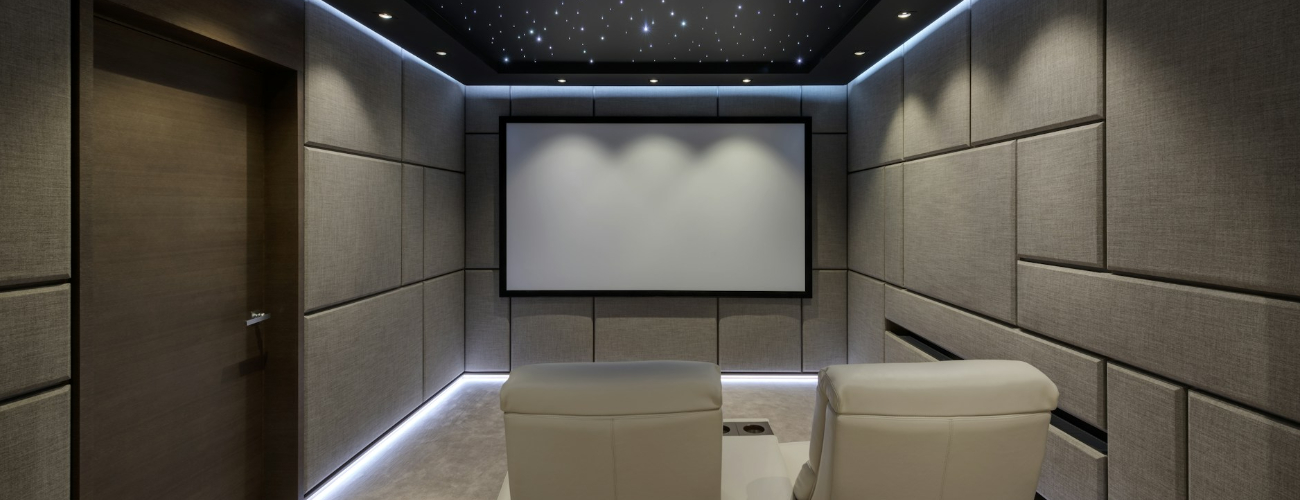
Creating a Basement Home Theater
Basements offer a unique opportunity for specialized renovation projects, and one of the most popular transformations is a dedicated home theater. With limited natural light and natural sound separation from upper floors, basements provide ideal conditions for cinematic environments. However, creating a functional and immersive home theater requires careful planning, technical coordination, and thoughtful design.
Planning the Layout
The first step in designing a basement home theater is evaluating the available space. Room dimensions determine screen size, seating arrangement, and speaker placement. Ideally, seating should be positioned at an appropriate viewing distance to ensure comfort and optimal image clarity.
Tiered seating can enhance the theater experience in larger basements. By elevating the back row, visibility is improved without obstructing sightlines. In smaller spaces, strategic placement of recliners or modular seating can maximize comfort while maintaining circulation pathways.
Acoustic Considerations
Sound quality defines the success of a home theater. Basements already offer some acoustic advantages due to surrounding soil and concrete walls. However, additional soundproofing enhances performance and prevents noise transfer to upper floors.
Acoustic insulation between ceiling joists reduces sound transmission. Wall-mounted acoustic panels absorb echoes and improve clarity. Carpeting or padded flooring helps control reverberation while adding comfort.
Proper speaker placement is equally important. Surround sound systems require precise positioning to create balanced audio distribution. Consulting with audio professionals ensures optimal configuration.
Lighting Design
Lighting must be carefully controlled in a home theater. Since basements typically have limited natural light, they are well suited for cinematic environments. Recessed dimmable LED lighting provides adjustable illumination for different viewing scenarios.
Wall sconces or step lights enhance safety without disrupting screen visibility. Indirect lighting behind screens or under seating platforms can add subtle ambiance while maintaining focus on the display.
Blackout curtains or light-blocking shades are essential if windows are present.
Screen and Equipment Setup
Choosing between a large television and a projection system depends on room size and budget. Projectors paired with dedicated screens create a traditional theater experience, particularly in larger basements. For compact rooms, high-resolution televisions may provide better brightness and clarity.
Equipment storage should be planned in advance. Built-in cabinetry or media consoles keep components organized while maintaining a clean appearance. Proper ventilation prevents overheating of electronic devices.
Comfort and Aesthetic Details
Beyond technology, comfort enhances the overall experience. Upholstered seating, soft wall finishes, and dark color palettes create a cozy atmosphere. Neutral or deep-toned walls reduce light reflection and improve screen contrast.
Adding sound-insulated doors further enhances immersion. Some homeowners incorporate small concession areas with snack counters or beverage stations to complete the theater environment.
Climate Control and Ventilation
Basements can experience temperature fluctuations. Integrating HVAC extensions or dedicated climate systems ensures consistent comfort during extended viewing sessions. Quiet ventilation systems are essential to avoid distracting background noise.
A Functional Entertainment Upgrade
Transforming a basement into a home theater combines technical precision with creative design. By addressing acoustics, lighting, layout, and comfort, homeowners can create a dedicated entertainment space that rivals commercial cinemas.
With thoughtful planning and professional execution, a basement home theater becomes more than a luxury feature—it becomes a practical and immersive addition that enhances both lifestyle and property value.