

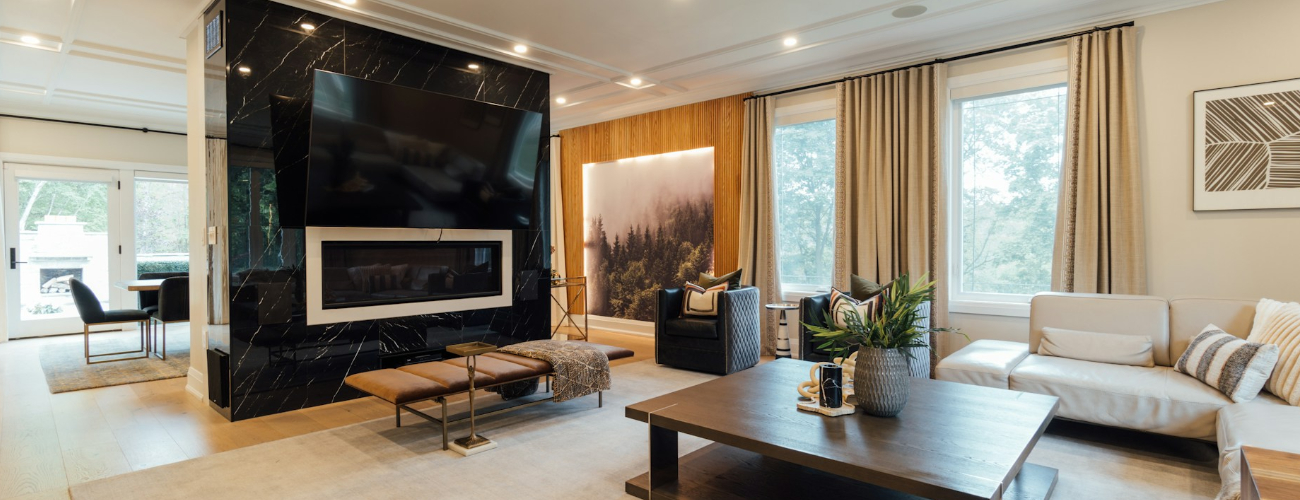
How to Illuminate Living Rooms for Warmth and Ambiance
The living room is the heart of the home — a place for relaxation, gatherings, and quiet evenings. Lighting plays a central role in defining its character, transforming it from a simple functional space into one filled with warmth and atmosphere. The right lighting scheme can make a living room feel cozy and inviting without sacrificing elegance or practicality. By layering light sources and choosing fixtures thoughtfully, you can create a balanced, welcoming environment that adapts to every mood and occasion.
Understanding the Purpose of Living Room Lighting
Unlike kitchens or offices that rely on strong task lighting, the living room demands flexibility. It needs to support various activities — entertaining guests, watching movies, reading, or simply unwinding after a long day. This versatility requires more than one type of light. A combination of ambient, task, and accent lighting ensures that the room remains functional while retaining a soft, inviting glow.
Start with Ambient Lighting — the Foundation of Warmth
Ambient lighting provides the base layer, filling the room with general illumination. It should be evenly distributed and soft enough to avoid harsh shadows. Ceiling fixtures like chandeliers, flush mounts, or recessed lights work well for this purpose. To achieve warmth, opt for bulbs with a color temperature between 2700K and 3000K — these emit a gentle, golden light reminiscent of sunset. Dimmable ambient lighting is especially useful, allowing you to adjust brightness for daytime energy or evening relaxation.
For homes with high ceilings, consider pendant lighting with diffusers or fabric shades to soften the light. If your living room is open-plan, recessed lighting paired with wall sconces helps define zones while maintaining a cohesive flow.
Add Task Lighting for Comfort and Function
Task lighting brings focus to specific areas without overpowering the room’s overall tone. In living rooms, this includes reading lamps beside armchairs, swing-arm wall lights near sofas, or adjustable floor lamps that provide directional illumination. These fixtures should blend seamlessly with the decor, complementing both color palette and style.
For example, a bronze or brass floor lamp can add a touch of traditional warmth, while a minimalist black design fits perfectly in modern interiors. If your living room includes a workspace or reading nook, use task lights with adjustable brightness to reduce eye strain while maintaining visual comfort.
Incorporate Accent Lighting for Ambiance
Accent lighting adds depth, texture, and emotion. It highlights architectural elements, artwork, or decorative objects while creating layers of visual interest. Picture lights, LED strips behind shelving, and uplights directed toward textured walls or plants are subtle yet effective choices.
Wall sconces are particularly effective for enhancing ambiance. When installed in pairs, they create a symmetrical rhythm and a soothing glow that balances the space. Cove lighting along ceilings or under floating shelves also provides a soft, diffused effect — ideal for evenings when you want the room to feel tranquil and intimate.
Embrace the Power of Layering
The most inviting living rooms use a layered lighting approach. Combining multiple sources at different heights creates dimension and flexibility. For instance, ceiling fixtures establish general brightness, wall sconces bring warmth to vertical surfaces, and lamps introduce pools of light for coziness. This interplay prevents the space from feeling flat or one-dimensional.
Dimmers are key to achieving this balance. Being able to control intensity allows you to shift from a bright, social atmosphere to a calm, relaxing one with ease. Smart lighting systems make this even simpler, enabling you to set scenes that match specific activities — from lively gatherings to quiet movie nights.
Choose the Right Bulbs and Finishes
The quality of light depends greatly on bulb choice. Warm white LEDs or halogen bulbs mimic natural light and are ideal for living spaces. Avoid overly cool lighting, which can make the room feel sterile. If you prefer a more natural ambiance, use bulbs with a high Color Rendering Index (CRI 90 or above) to bring out the true colors of furniture and fabrics.
Fixture finishes also influence warmth. Materials like brass, bronze, or frosted glass diffuse light softly and add a sense of luxury. Meanwhile, fabric shades in beige, cream, or amber tones help cast a gentle glow that enhances comfort.
Complement Lighting with Design Elements
Lighting works best when paired with reflective surfaces and warm materials. Wooden furniture, textured rugs, and light-colored walls help bounce illumination around the room. Mirrors placed opposite light sources amplify brightness and add depth. Even candles and lanterns can play a role in evening ambiance, offering a timeless, organic glow that complements modern fixtures.
Conclusion
Illuminating your living room for warmth and ambiance requires a thoughtful blend of light, color, and design. By layering different sources — ambient, task, and accent — you can create a space that adapts effortlessly to your needs. Choose warm color temperatures, mix materials that diffuse light beautifully, and incorporate dimmers to fine-tune the atmosphere. When lighting is planned with intention, your living room becomes more than a gathering place — it becomes the heart of your home, glowing with comfort, harmony, and timeless style.