

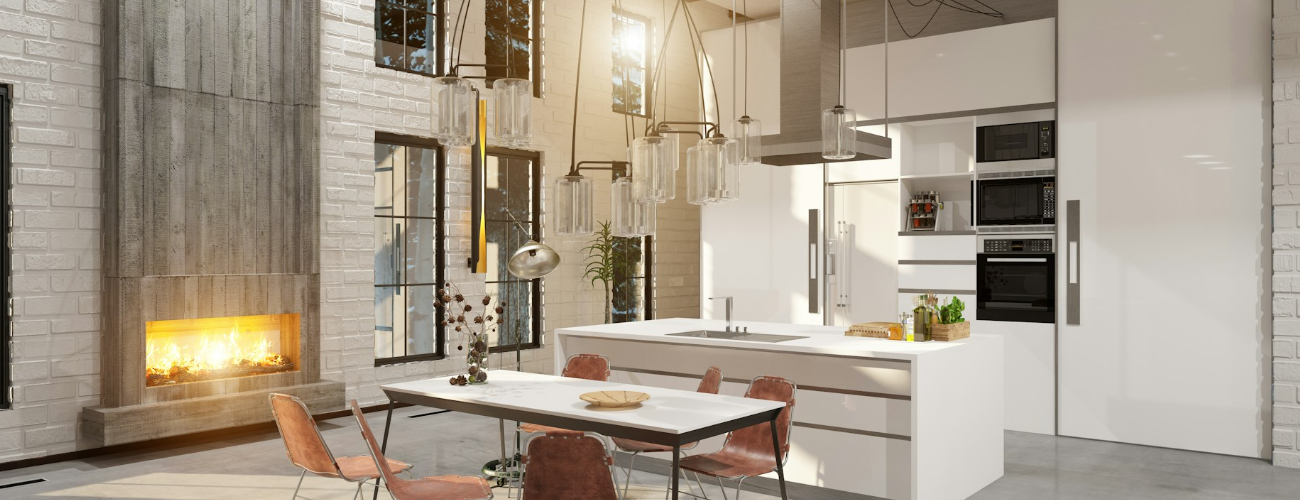
Using Accent Walls and Finishes to Define Your Kitchen
The kitchen is often called the heart of the home, and its design should reflect both functionality and personality. One of the most effective ways to bring style and character into your kitchen is through the use of accent walls and unique finishes. These design elements not only define the space but also create visual interest, texture, and depth, transforming an ordinary kitchen into a refined and inviting environment.
The Power of an Accent Wall
An accent wall serves as a focal point, drawing attention to a specific area of the kitchen. Unlike the rest of the room, which may feature neutral or uniform tones, an accent wall introduces contrast and visual excitement. It can be used to highlight a dining nook, the backsplash area behind the stove, or even an open shelving section. The key is to select a color or material that complements the surrounding design while standing out just enough to make an impression.
For modern kitchens, bold colors such as deep navy, forest green, or matte black create a sense of drama. In rustic or farmhouse-style kitchens, a reclaimed wood or brick accent wall adds warmth and texture. Even a simple painted wall can make a big impact when paired with the right lighting and décor.
Choosing the Right Finishes
Finishes are another essential element that defines the kitchen’s character. The choice of paint, tile, metal, or wood finish can significantly influence the room’s mood. Glossy finishes reflect light and make small kitchens appear more spacious, while matte or textured surfaces provide a more understated, sophisticated look.
For example, a marble or quartz backsplash with subtle veining offers elegance, while handmade ceramic tiles can introduce artistry and uniqueness. Metallic finishes, such as brushed brass or copper, can be incorporated through fixtures, cabinet handles, or open shelving brackets, adding a touch of luxury and warmth.
Balancing Color and Texture
When designing with accent walls and finishes, balance is key. Too many bold elements can overwhelm the space, while too few may make it feel flat. The trick is to layer textures and tones thoughtfully. If your cabinets are sleek and glossy, a textured accent wall can add depth. Conversely, if your walls are minimal and smooth, you can introduce interest through patterned tiles or a statement backsplash.
Color harmony also matters. Warm tones like terracotta, beige, and gold pair beautifully with wooden finishes, while cooler shades like gray, white, and blue complement metal or stone surfaces. Accent walls should enhance, not compete with, the surrounding finishes.
Using Lighting to Enhance Design
Proper lighting enhances the impact of accent walls and finishes. Under-cabinet LED strips can highlight tile patterns or subtle textures, while pendant lights above an island can draw attention to a feature wall. Even natural light plays a role — sunlight can bring out the richness of materials such as wood or marble, emphasizing their natural beauty.
Creating a Personalized Statement
Ultimately, the goal of using accent walls and finishes is to give your kitchen a distinct personality. A geometric tile wall might express creativity, while a limewashed finish could convey timeless elegance. Combining materials like stone, wood, and metal allows homeowners to reflect their lifestyle and taste through design.
By carefully curating accent walls and finishes, you can turn your kitchen into more than just a workspace — it becomes a statement of style and comfort. Whether your home leans toward contemporary minimalism or traditional charm, these elements can redefine your kitchen’s atmosphere, making it a place that feels uniquely yours.