

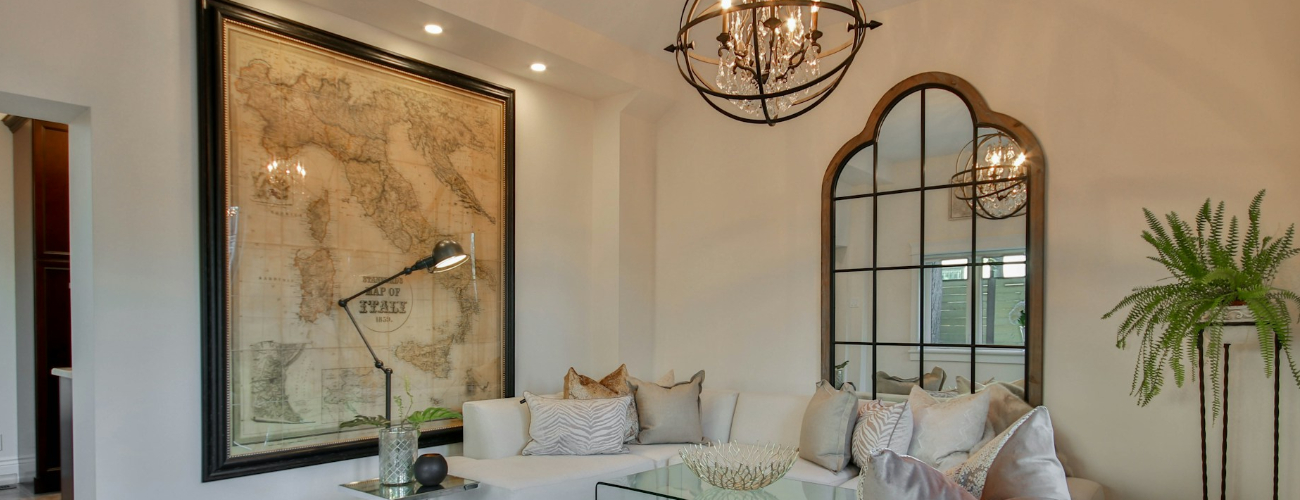
How Lighting Affects the Look of Wall Finishes
Lighting is one of the most influential elements in interior design — yet it’s often overlooked when planning wall finishes. The same paint color or texture can look completely different under natural daylight, warm ambient lighting, or cool LED fixtures. Whether you prefer a matte plaster wall, glossy tiles, or soft pastel paint, the way light interacts with those surfaces can make or break the atmosphere of a room. Understanding how lighting affects wall finishes allows you to design spaces that feel intentional, harmonious, and visually balanced.
The Science Behind Light and Surface
Light affects how we perceive color, texture, and depth. Every wall finish reflects or absorbs light differently, depending on its sheen and material composition. Smooth, glossy finishes bounce light around, creating brightness and energy, while matte or textured surfaces diffuse it, resulting in a softer, more intimate mood. The color temperature of light — measured in Kelvins — also plays a major role. Warm light (2700–3000K) enhances cozy tones like beige, taupe, and terracotta, while cool light (4000–5000K) sharpens blues, grays, and whites, giving a crisp and modern feel.
Natural Light: The Ever-Changing Artist
Daylight is the most dynamic form of illumination. Its tone and intensity shift throughout the day, constantly altering how wall finishes appear. In the morning, sunlight tends to be cool and soft, enhancing pale colors and subtle textures. Afternoon light grows warmer and more direct, enriching earthy or saturated tones. North-facing rooms receive cooler, bluer light, while south-facing spaces are bathed in warm sunlight most of the day.
Because of these variations, it’s essential to test wall colors and finishes under different lighting conditions before finalizing a design. A neutral gray that looks sophisticated in the morning may appear dull in the evening, while a bold green can feel refreshing in daylight but overly intense under artificial light.
Artificial Lighting: Shaping Ambience and Perception
Artificial lighting allows complete control over how wall finishes are perceived after sunset. The key is layering light to balance functionality and mood. Three main types of lighting affect wall appearance differently:
- Ambient Lighting – This is the general illumination of a room, typically provided by ceiling fixtures or recessed lights. Soft, warm ambient lighting can make matte finishes look velvety and inviting, while cool ambient light enhances the reflective quality of glossy paints and polished plaster.
- Task Lighting – Task lights, such as sconces or under-cabinet LEDs, highlight specific areas. They can accentuate textures like stone or brick, casting subtle shadows that bring depth and dimension. When directed correctly, task lighting adds drama to feature walls or textured panels.
- Accent Lighting – Used strategically, accent lighting draws attention to decorative finishes, artwork, or architectural features. A narrow beam directed at a wall with metallic paint or Venetian plaster can create shimmering highlights that change as you move through the space.
Gloss, Matte, and Texture: How Light Plays on Surfaces
The level of sheen on your wall finish directly affects how light behaves:
- Gloss and Semi-Gloss Finishes: Reflect light strongly, making spaces appear larger and more vibrant. However, they also highlight imperfections, so walls must be perfectly smooth. Best used in areas where a bright, polished look is desired, such as kitchens or entryways.
- Matte Finishes: Absorb light, minimizing glare and hiding wall flaws. Matte paints and plasters create a calm, elegant feel, ideal for bedrooms and living areas. They also respond beautifully to warm, diffused light.
- Textured Finishes: Add depth and movement to a room by playing with shadows. Lighting positioned at an angle enhances these effects, emphasizing the craftsmanship behind finishes like stucco, limewash, or brick.
Choosing the Right Combination
Design harmony comes from matching lighting with the right wall finish. For instance, a high-gloss wall benefits from evenly distributed light to prevent harsh reflections, while textured surfaces look best with directional lighting that highlights their relief. In minimalist interiors, indirect lighting such as cove LEDs softens shadows and enhances clean lines. In contrast, rustic or industrial spaces thrive on contrast — light grazing across rough materials creates warmth and visual interest.
Final Thoughts
Lighting and wall finishes are inseparable partners in interior design. Even the most beautiful paint or texture can lose its impact if paired with the wrong lighting. By understanding how light interacts with different surfaces, you can control the mood, depth, and visual balance of every room. The right combination transforms plain walls into living surfaces that shift beautifully throughout the day — proving that light doesn’t just reveal design; it defines it.