

Waterproof Materials for Basements and Bathrooms
Moisture is one of the biggest enemies of home integrity, especially in areas like basements and bathrooms where water exposure is constant or likely. Without proper materials and construction methods, these damp-prone spaces can develop mold, mildew, rot, and structural damage. Whether you’re renovating an existing space or building a new one, choosing waterproof materials is essential for durability, hygiene, and long-term comfort. Here’s a guide to the best waterproof materials for basements and bathrooms that protect your home from the inside out.
Waterproof Paints and Sealers
Before even thinking about finishes, start with the right base. Waterproofing paints and sealers form a protective barrier against moisture on concrete and masonry surfaces. These are especially critical in basements, where foundation walls are exposed to soil moisture. Look for elastomeric or epoxy-based coatings that penetrate deeply and resist peeling, cracking, and mold growth.
Vinyl Flooring
Vinyl is one of the most popular waterproof flooring choices for both basements and bathrooms. Available in sheets, planks, or tiles, it mimics wood or stone while resisting water penetration. Luxury vinyl plank (LVP) offers the added bonus of easy installation and attractive design. Vinyl is also warm underfoot and easy to maintain, making it a homeowner favorite.
Porcelain and Ceramic Tile
For wet areas like bathroom floors and shower walls, porcelain and ceramic tiles are a time-tested option. They’re naturally water-resistant, durable, and come in countless styles and colors. Porcelain is denser and less porous than ceramic, making it the better choice for high-moisture zones. Just ensure that grout lines are sealed properly to prevent water seepage through the joints.
Cement Backer Board
Behind the scenes, the success of any waterproof wall or flooring system often depends on the underlayment. Cement backer board is used under tile in showers and bathroom walls instead of traditional drywall, which absorbs water. Cement board doesn’t rot or deteriorate with moisture exposure, making it the go-to substrate for tile in wet zones.
Waterproof Drywall Alternatives
In bathrooms or partially finished basements, it’s best to avoid regular drywall, which soaks up moisture like a sponge. Instead, consider mold-resistant drywall (green board) or fiberglass-faced gypsum board (purple board). These materials resist mold and mildew far better and are suited for humid environments. However, they are not fully waterproof, so they should still be paired with proper ventilation and surface treatments.
Waterproof Wall Panels
Wall panels made from PVC, acrylic, or composite materials are gaining popularity for bathrooms and finished basements. These panels are easy to install, clean, and maintain, and they offer a seamless look that prevents water intrusion. Some systems even mimic tile or stone while eliminating grout altogether—perfect for a low-maintenance shower or bathroom wall.
Epoxy and Sealed Concrete
In basements, where floors are often concrete slabs, sealing or coating them with epoxy is an effective waterproofing solution. Epoxy creates a non-porous surface that resists water, chemicals, and stains. It can be clear or colored, and some formulas even include anti-slip additives for safety in damp areas.
Waterproof Insulation
Insulating wet areas requires materials that won’t degrade with moisture. Rigid foam insulation boards (like XPS or polyiso) are highly water-resistant and are often used in basement walls behind vapor barriers. Spray foam insulation also offers excellent moisture resistance and air sealing, though it may be more expensive.
Waterproof Adhesives and Sealants
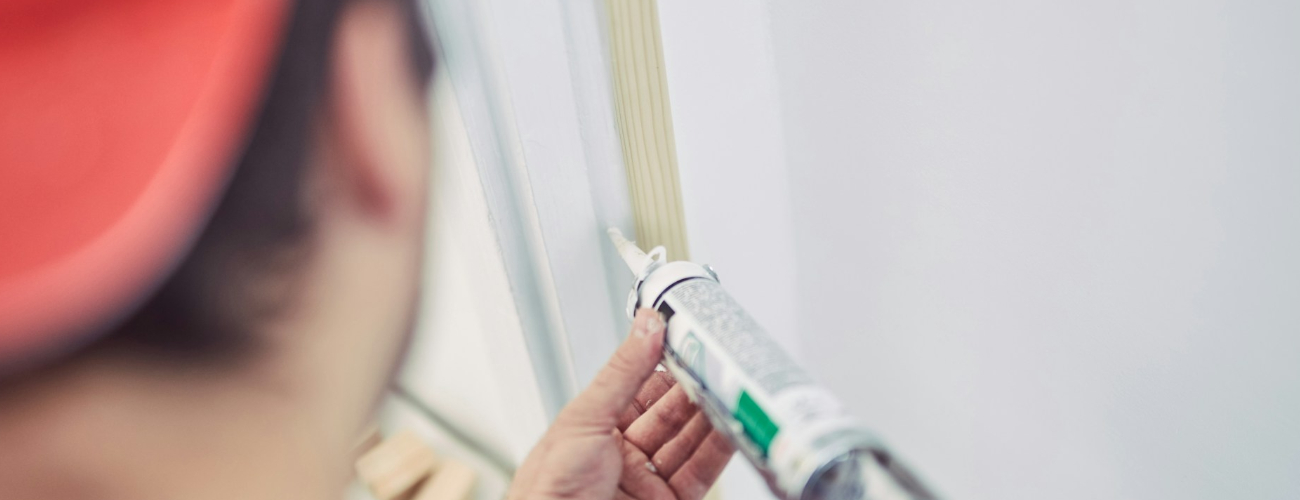
Even the best materials can fail without the right adhesives and sealants. Use waterproof construction adhesives, silicone caulks, and specialty sealants around joints, corners, fixtures, and flooring edges. Regular maintenance, such as re-caulking around bathtubs and showers, can help prevent leaks and long-term damage.
Final Thoughts
Waterproofing is not just about one product—it’s about layering systems that protect your home from moisture on every surface. By combining waterproof paints, tiles, underlayments, and sealants, you can build basements and bathrooms that last for decades. These materials not only increase the longevity of your renovation but also improve indoor air quality and make cleaning easier. In any wet zone of your home, investing in the right waterproof materials from the start can save you from costly repairs and health hazards later.