

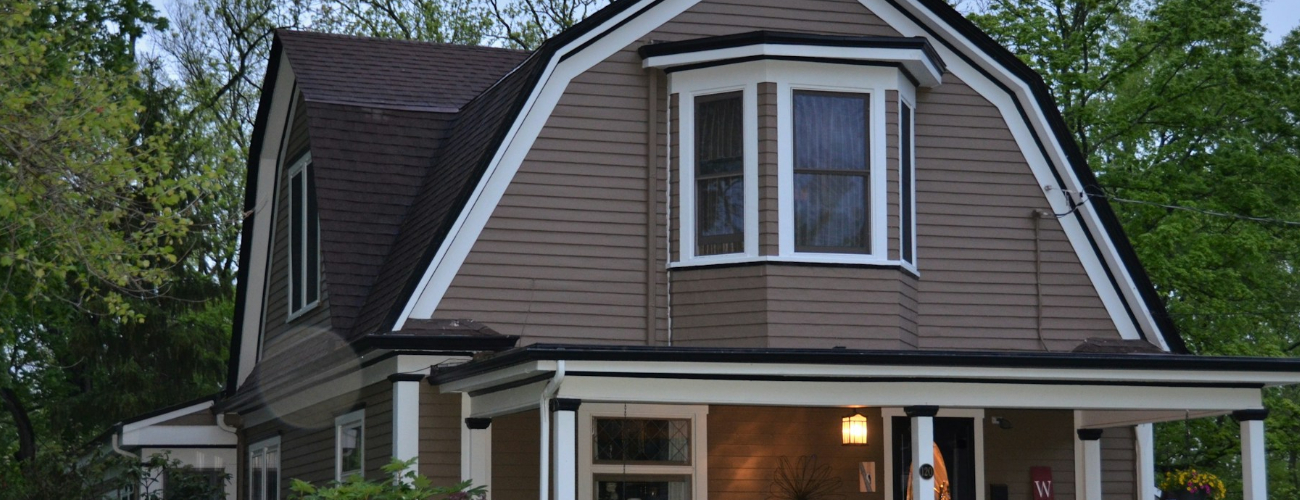
How to Coordinate Roof and Exterior Wall Colors
Choosing the right combination of roof and exterior wall colors is one of the most impactful decisions you can make when designing or renovating a home. The roof makes up a large portion of your home’s visual appearance, so its color should harmonize with the walls to create a balanced, appealing aesthetic. Coordinated colors enhance curb appeal, reflect your personal style, and even affect your home’s energy efficiency. Here’s a practical guide on how to successfully match roof and exterior wall colors for a beautiful, cohesive look.
Start with Fixed Elements
Before choosing paint or shingles, consider the unchangeable parts of your home—brick, stone, concrete, or foundation colors. These fixed materials often have undertones (warm or cool) that should influence your color choices. For example, a red brick base pairs better with warm hues like brown or tan than with cooler grays or blues. Use these permanent materials as a foundation for your palette.
Understand Color Temperature
Colors fall into two general categories: warm (browns, reds, tans) and cool (grays, blues, greens). To achieve harmony, stick within the same temperature range. A warm-toned roof—such as terracotta or weathered wood—pairs best with beige, cream, or olive walls. A cool-toned roof—like charcoal or slate—suits white, gray, or blue siding. Clashing warm and cool tones can create visual tension and reduce the overall appeal of the home.
Consider the Architectural Style
Certain home styles traditionally work well with specific color schemes. A Mediterranean or Spanish-style home, for instance, often features clay-colored roofs and stucco walls in warm, earthy tones. Colonial homes might lean toward black or dark gray roofs with white or brick exteriors. Contemporary architecture allows for more experimentation, including high-contrast combinations like black roofs and white walls or metal roofs with neutral siding.
Use a Color Palette with Contrast
While coordination is key, contrast adds visual interest. A dark roof with light-colored walls creates a striking, modern look. Conversely, a light roof with darker siding can make a house appear taller and more open. Just be cautious with extremes—too much contrast may look harsh, while too little can appear flat. A soft contrast, such as a medium-gray roof with light gray or pale blue walls, often works best for a balanced look.
Think About the Climate
Your color choices can also affect energy efficiency. In warm climates, lighter-colored roofs reflect sunlight, helping to keep the home cooler. In colder regions, dark roofs absorb heat and assist in snowmelt. Wall colors also play a role—lighter exteriors fade less in direct sun, while darker ones show less dirt and wear over time.
Coordinate with Trim and Accent Colors
Don’t forget to factor in trim, doors, and shutters when choosing roof and wall colors. These smaller details can tie everything together or offer a bold accent. A white or cream trim works well with almost any palette, while dark trim can modernize a traditional scheme. Choose one or two accent colors to complement the main tones without overwhelming the design.
Test Before You Commit
Before finalizing any choices, test your colors in natural light. Paint large swatches on your walls and view roofing samples outside at different times of the day. Lighting conditions greatly affect how colors appear, so what looks good in a store may not look the same on your home.
Final Thoughts
Coordinating roof and exterior wall colors is all about balance, harmony, and thoughtful contrast. Take into account your home’s style, the surrounding environment, and the colors of permanent materials. With a well-chosen palette, your home will not only look cohesive and inviting but will also stand the test of time in terms of both beauty and functionality. Whether you’re building new or updating an old façade, the right color combination can completely transform your home’s exterior.