

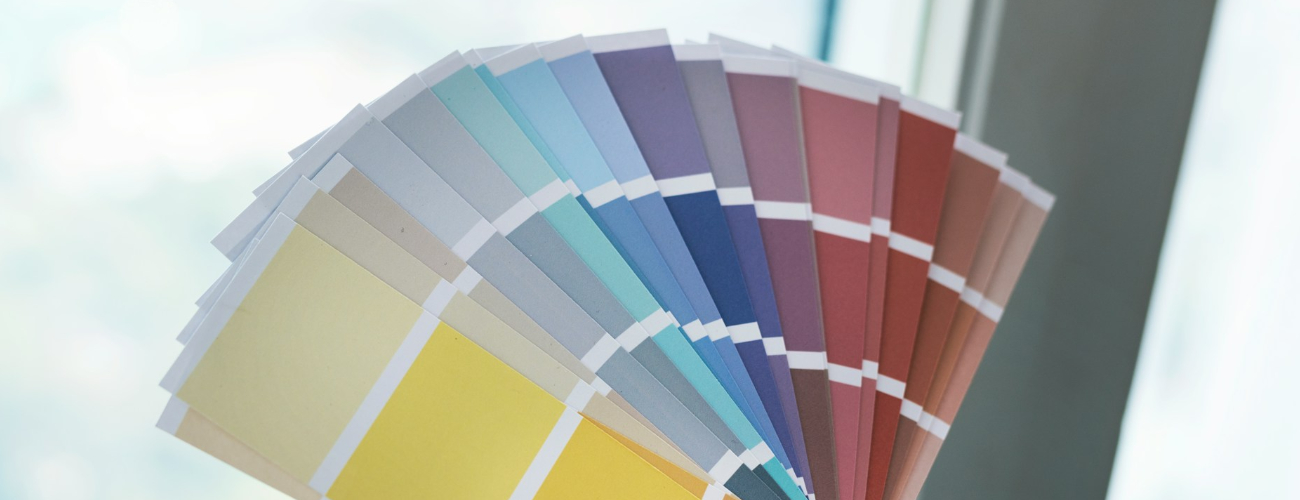
Warm vs. Cool Stucco Shades: Finding the Perfect Balance
Choosing the right stucco color for your home goes beyond simple aesthetics—it sets the entire mood and personality of your exterior. One of the most important decisions homeowners face is whether to go with warm or cool stucco shades. Both bring distinct atmospheres and visual effects, and finding the perfect balance between the two can transform your home into a timeless showcase of style and harmony.
Understanding Warm and Cool Tones
Warm colors are those that remind us of sunlight, earth, and natural warmth—think of hues like beige, cream, tan, terracotta, and golden taupe. These tones create a welcoming and cozy appearance that feels inviting from the first glance.
Cool colors, on the other hand, evoke calmness and balance. Shades such as gray, stone, white with blue undertones, and soft greige reflect modern sophistication. Cool tones often work well in contemporary designs and urban environments, giving a crisp and polished impression.
Understanding whether your home’s lighting, environment, and architectural style favor warm or cool tones will help you make a color choice that feels natural and cohesive.
The Allure of Warm Stucco Shades
Warm stucco shades bring comfort, charm, and an organic connection to nature. They are particularly popular in Mediterranean, Spanish Colonial, and Southwestern-style homes, where sunlight enhances their earthy richness.
Colors such as sandy beige, honey tan, or soft peach reflect natural light beautifully, creating a radiant glow during the day and a soft warmth in the evening. Paired with terracotta roof tiles, wood shutters, or wrought-iron railings, these tones create a timeless appeal.
Warm stucco also pairs well with landscaping—lush greenery, stone pathways, and wooden pergolas all complement its natural energy. It’s an excellent choice for homes in sunny regions, where the tone’s vibrancy blends seamlessly with the environment.
The Sophistication of Cool Stucco Shades
Cool shades, by contrast, project calmness, order, and understated luxury. Light grays, off-whites, and subtle blue-gray tones bring a sleek, modern quality to stucco finishes. These colors are ideal for coastal, industrial, and contemporary-style homes, where minimalism and clean lines dominate.
Cool stucco shades help reflect sunlight, keeping interiors cooler in warmer climates. When paired with black-framed windows, metal trims, or slate roofing, they create a striking modern aesthetic. For a softer, coastal-inspired look, pale gray or pearl white stucco combined with light wood accents achieves a breezy, relaxed feel that’s both timeless and refreshing.
Finding the Right Balance
Many homeowners find that the best results come from blending warm and cool elements to achieve visual balance. For example, a warm beige or taupe stucco paired with cool gray stone creates depth and sophistication. Similarly, a cool light gray stucco with warm wooden accents or copper lighting fixtures introduces contrast that feels harmonious rather than harsh.
This combination approach works particularly well in transitional homes that merge traditional and modern styles. By mixing undertones thoughtfully, you can prevent your exterior from feeling too sterile or overly rustic. The goal is balance—where color enhances architecture and complements the surrounding environment.
Considering Light and Surroundings
Natural light greatly influences how stucco colors appear. In bright sunlight, cool tones may look crisper and lighter, while warm shades can appear more intense. In shaded areas or during dusk, warm hues often glow softly, while cool shades can take on deeper, more dramatic tones.
The surrounding landscape also plays a role. Homes in green, wooded areas benefit from warmer tones that contrast gently with foliage. In coastal or urban settings, cooler stucco shades often harmonize better with modern materials like metal, glass, and concrete.
Texture Makes a Difference
Stucco texture can subtly alter how color is perceived. Smooth stucco surfaces highlight color purity, making both warm and cool tones appear bolder. Textured finishes, such as sand or trowel styles, diffuse light and create softer, more organic variations. For example, a warm beige in a textured finish may appear sun-washed and rustic, while a cool gray with a smooth surface feels sleek and architectural.
Creating Timeless Appeal
When choosing between warm and cool stucco shades, remember that timeless design comes from harmony, not extremes. Neutrals like greige, soft ivory, or light stone blend the best of both worlds—offering warmth with a hint of modern coolness. These balanced tones work across architectural styles and withstand changing design trends.
Whether your goal is cozy and traditional or clean and contemporary, the key is to choose a palette that reflects your home’s architecture and your personal sense of comfort.
Final Thoughts
Warm and cool stucco shades each have their unique beauty—warm tones exude comfort and charm, while cool tones evoke elegance and tranquility. The perfect balance lies in understanding how light, texture, and surroundings influence color perception. By blending warmth and coolness thoughtfully, you can create an exterior that feels timeless, balanced, and effortlessly stylish—an expression of design harmony that will stand the test of time.