

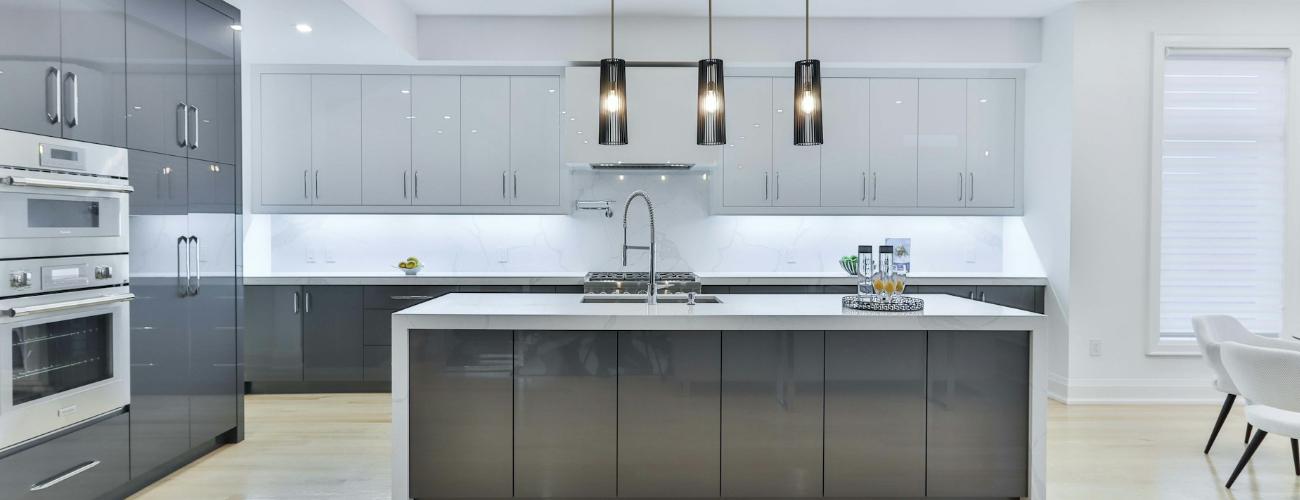
Choosing a Kitchen Design That Fits Your Home
The kitchen is often called the heart of the home, but it’s also a vital architectural element that defines the overall style and flow of your living space. A well-designed kitchen should not only be functional — it should complement the character, proportions, and materials of your home. Whether you live in a modern loft, a historic colonial, or a coastal cottage, aligning your kitchen design with your home’s architecture ensures visual harmony and timeless appeal.
Understanding Architectural Context
Before selecting finishes or layouts, it’s essential to understand your home’s architectural style. Architecture sets the foundation for proportion, materials, and detailing. A minimalist modern home, for example, favors sleek surfaces, hidden hardware, and open layouts. In contrast, a traditional home often embraces craftsmanship — raised panel cabinetry, warm wood tones, and decorative moldings.
Start by observing recurring design elements throughout your home: window shapes, ceiling heights, floor materials, and trim details. These architectural cues guide your kitchen design choices. The goal is cohesion — not replication. Your kitchen can feel fresh and updated while still respecting the home’s original design language.
Choose Materials That Reflect the Home’s Character
Materials are one of the strongest links between architecture and interior design. For example, a rustic farmhouse benefits from natural wood cabinets, exposed beams, and stone countertops. A mid-century home may favor walnut veneers, terrazzo surfaces, or flat-panel cabinetry with clean lines. In a coastal home, light oak finishes and quartz countertops echo the natural, breezy feel of the environment.
Even contemporary homes can achieve warmth by using materials that feel grounded — matte finishes, concrete, metal accents, or natural stone. When selecting materials, think about what already exists in adjacent spaces and how textures will flow from one room to another. Continuity between flooring, trim, and cabinetry helps create a sense of architectural unity.
Respect Proportion and Scale
Every architectural style has its own sense of scale. In large, high-ceilinged homes, oversized kitchen islands or statement range hoods can feel appropriate and dramatic. In smaller cottages or townhouses, a more compact, streamlined layout prevents the space from feeling overwhelming.
Proportion also applies to cabinetry and lighting. Tall shaker cabinets with crown molding complement traditional architecture, while horizontal, handleless cabinets align with modern and minimalist homes. Choose light fixtures that match the room’s proportions — elegant pendants for grand spaces or subtle under-cabinet lighting for low ceilings. The key is balance — your kitchen should feel integrated, not imposed.
Align Color and Finish with Architectural Tone
Color has a powerful way of reinforcing architectural style. Historic homes often feature warmer, richer palettes — creams, deep greens, and muted blues — while modern designs favor monochromatic or natural tones. Transitional spaces can bridge both worlds by pairing classic white cabinetry with contemporary hardware or bold accent colors.
For example, in a Victorian-style home, a kitchen with paneled cabinetry and soft sage or navy tones fits seamlessly within the period aesthetic. In a modern loft, a matte black or concrete-gray kitchen enhances the industrial appeal. Consistency in tone, whether through paint, wood stain, or metal finish, ensures the kitchen feels like an organic part of the house rather than a separate design experiment.
Consider Architectural Flow and Layout
Architecture defines how people move through a home — and your kitchen should complement that flow. In open-concept spaces, it’s important that the kitchen visually connects with the living and dining areas. A sleek island that mirrors the geometry of surrounding spaces creates continuity.
In more segmented homes, like traditional colonials or cottages, the kitchen can stand as a distinct but harmonious room. Here, details like trim profiles, door frames, and cabinetry molding can echo elements found elsewhere in the house. Aligning ceiling treatments — such as beams or coffered panels — also reinforces architectural rhythm.
Integrate Technology Thoughtfully
Even in classic or historic homes, technology plays a role in modern kitchen function. The challenge is incorporating it without disrupting architectural harmony. Built-in appliances, concealed range hoods, and integrated lighting systems allow for contemporary convenience while maintaining the design’s authenticity.
In a traditional home, choose panel-ready appliances that blend with cabinetry. In a modern space, sleek stainless or black finishes can serve as design features. The goal is subtlety — technology should enhance, not dominate, the architecture.
Don’t Forget the Details
Small details have a big impact. Hardware, faucets, and lighting fixtures are the jewelry of the kitchen — they tie the entire look together. Match metal finishes with the style of your home: polished nickel for classic interiors, brushed brass for transitional spaces, or matte black for contemporary designs. Similarly, choose backsplashes and flooring that echo the home’s original materials or design motifs.
Conclusion
A kitchen that harmonizes with your home’s architecture feels intentional, timeless, and complete. It honors the structure’s design principles while providing modern comfort and functionality. By focusing on materials, proportion, color, and flow, you create a kitchen that not only enhances your home’s aesthetic but also elevates the way you live in it. The best kitchen designs don’t compete with the architecture — they complement it, creating a seamless dialogue between past and present, structure and style.