

Warm Floor Under Laminate: Boost Comfort and Elegance at Home
The appeal of warm floors in a home cannot be overstated, especially during colder months. Incorporating underfloor heating under laminate flooring combines the visual warmth of wood with the physical comfort of radiant heating, transforming your space into a cozy sanctuary. This extensive guide explores everything you need to know about installing warm floors under laminate, from the benefits and considerations to the step-by-step installation process.
Benefits of Warm Floors Under Laminate
Enhanced Comfort
Underfloor heating provides a uniform heat distribution across the floor, eliminating cold spots and creating a comfortable environment from the ground up. Unlike traditional heating systems that heat from the top down, underfloor heating warms the living space efficiently and comfortably.
Energy Efficiency
Radiant floor heating can be more energy-efficient than traditional heating systems. It operates at a lower temperature while effectively distributing heat, potentially reducing your heating bills.
Aesthetic Appeal
With underfloor heating, radiators or visible heating units are unnecessary, freeing up wall space and maintaining the aesthetic flow of your room. This system allows you to enjoy the beauty of laminate flooring without compromise.
Improved Air Quality
Radiant heating minimizes the circulation of air compared to forced-air systems, reducing the movement of dust and allergens. This can be particularly beneficial for those with allergies or respiratory issues.
Choosing the Right Type of Underfloor Heating
There are mainly two types of underfloor heating systems suitable for use under laminate flooring: electric and hydronic. Both systems have their merits and can be effectively used under laminate flooring.
Electric Floor Heating Systems
These systems use electric coils placed under the flooring to generate heat. They are easier and generally less expensive to install than hydronic systems, making them ideal for retrofitting in existing homes. Electric systems heat up quickly and are best for smaller areas or individual rooms.
Hydronic Floor Heating Systems
Hydronic systems circulate heated water through pipes to create heat. While the installation is more complex and costly, they are more cost-effective over time, especially suitable for heating entire homes or large spaces.
Installation Considerations<.h3>
Compatibility with Laminate
Not all laminate flooring is suitable for use with underfloor heating. Check the manufacturer’s specifications to ensure the laminate is compatible and can withstand the heat output without warping or being damaged.
Subfloor Requirements
The subfloor must be properly prepared to ensure it is smooth, clean, and free from any moisture issues. An appropriate underlayment that acts as a thermal barrier and aids in heat distribution should also be installed.
Thermostat and Controls
A high-quality thermostat is crucial for efficient operation. Look for a programmable thermostat specifically designed for use with underfloor heating systems, allowing you to control the temperature and timing of the heating to maximize comfort and efficiency.
Step-by-Step Installation Guide
Step 1: Subfloor Preparation
Ensure the subfloor is level, dry, and clean. Any cracks or uneven areas should be addressed before installation begins.
Step 2: Install Underlayment
Lay down a thermal underlayment designed for use with underfloor heating. This layer will help distribute heat evenly and protect the laminate flooring.
Step 3: Install Heating Elements
For electric systems, roll out the heating mats or install the heating cables according to the manufacturer’s instructions. For hydronic systems, lay the pipes for the water flow, ensuring they are evenly spaced.
Step 4: Connect to Power Source (Electric) or Boiler (Hydronic)
Electrical systems need to be connected to the power supply and integrated with the thermostat. Hydronic systems should be connected to a boiler or water heater.
Step 5: Install Laminate Flooring
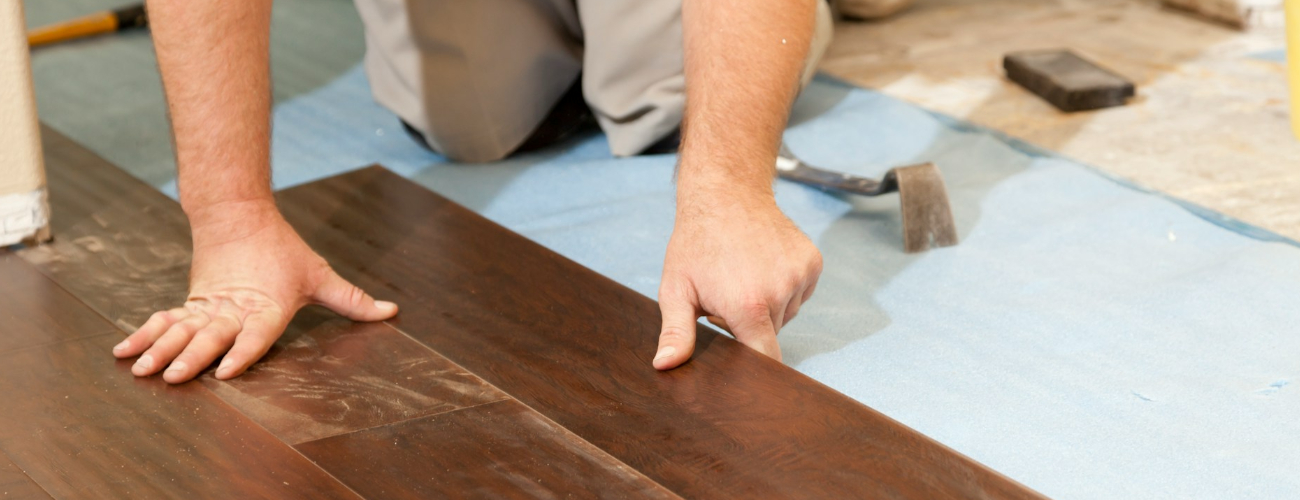
Carefully install the laminate flooring over the heating system, following the floating floor method. Ensure that the flooring clicks securely into place, and avoid puncturing the heating system during installation.
Step 6: Install Thermostat and Test the System
Install the thermostat in a convenient location. Once everything is set up, test the system to ensure it operates correctly before fully furnishing the room.
Conclusion
Installing warm floors under laminate flooring not only boosts your home’s comfort but also its value. By following the detailed steps and considerations outlined above, you can enjoy the luxurious feel of warm floors throughout your home, enhancing both its functionality and aesthetic appeal. Whether upgrading a single room or an entire house, the integration of underfloor heating with laminate flooring is a worthwhile investment that pays dividends in comfort and style.