

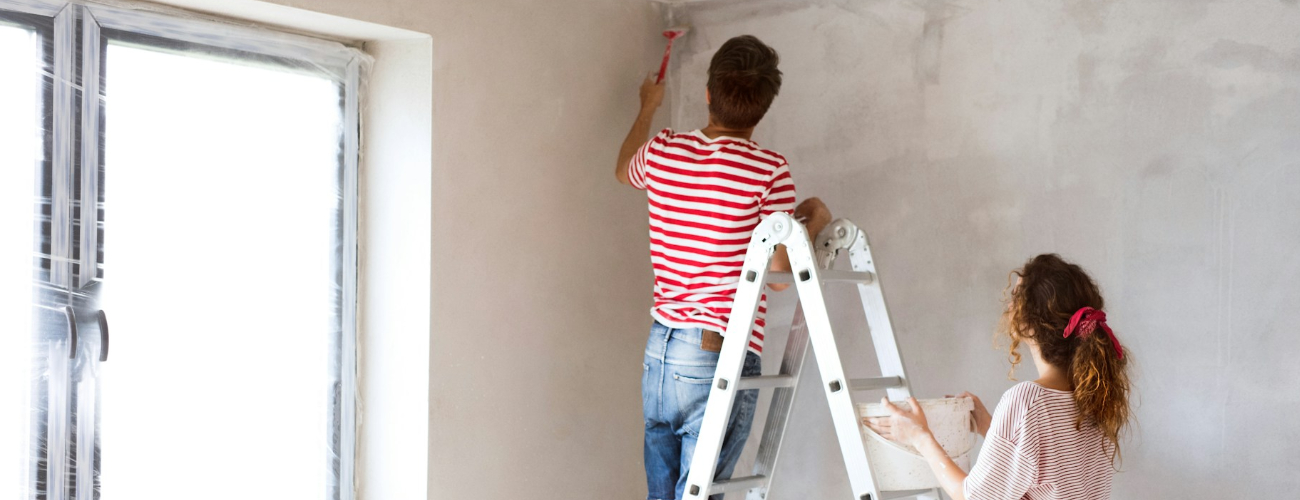
Using Non-Toxic Materials in Child-Friendly Home Renovations
When renovating a home, especially in spaces frequented by children, the safety of the materials used is paramount. Traditional building materials can often contain substances that, while generally regarded as safe, might not be the best choice for environments where children spend a lot of time. In response to growing health concerns and environmental awareness, more homeowners are now opting for non-toxic materials in their renovation projects. Here’s a comprehensive guide on why and how to use non-toxic materials in child-friendly home renovations.
The Importance of Non-Toxic Materials
Health and Safety: Young children are particularly vulnerable to the effects of toxic substances found in common building materials, such as VOCs (Volatile Organic Compounds) in paint, formaldehyde in pressed woods, and phthalates in vinyl flooring. These substances can off-gas into the environment over time, potentially causing respiratory issues, allergic reactions, and other health problems.
Environmental Impact: Using non-toxic and environmentally friendly materials can also reduce the ecological footprint of your renovation projects. Sustainable materials are not only safer for the home environment but also for the planet.
Long-term Savings: Investing in non-toxic materials might seem more expensive upfront, but it can lead to savings in health costs and energy bills over time. Better indoor air quality and natural materials contribute to a healthier living environment that can pay off in the long run.
Popular Non-Toxic Materials for Home Renovations
- Low-VOC or VOC-Free Paints: Traditional paints release high levels of VOCs, which can contribute to indoor air pollution and pose health risks. Low-VOC or VOC-free paints are available that minimize these risks and are just as effective and durable as traditional paints.
- Solid Wood Furniture and Fixtures: Unlike pressed wood products, which often contain formaldehyde-based glues, solid wood is more durable and free of harmful chemicals. When choosing wood, opt for locally sourced or sustainably harvested options to ensure environmental responsibility.
- Natural Flooring Options: Instead of synthetic carpets or vinyl flooring, consider natural flooring materials like bamboo, cork, or hardwood. These options are not only safer but also add aesthetic value to your home. If you prefer softer flooring, look for organic or natural fiber rugs that do not use toxic dyes or treatments.
- Non-Toxic Insulation: Traditional fiberglass insulation can release tiny particles that may affect lung health. Alternatives like cellulose, wool, or cotton insulation are effective, safe, and made from recycled or natural materials that are less likely to cause health issues.
- Green Seal Certified Products: For adhesives, sealants, and other building materials, look for products certified by Green Seal or similar organizations. These products meet rigorous, science-based environmental standards.
Tips for Ensuring a Non-Toxic Renovation
- Research Thoroughly: Before purchasing materials, do extensive research into their composition and any chemicals they might off-gas. Check for certifications that guarantee the product meets environmental and safety standards.
- Ventilate: During and after the renovation, ensure good ventilation to minimize any airborne pollutants that could arise, even from non-toxic materials.
- Consult Professionals: When in doubt, consult with professionals who specialize in green building or eco-friendly renovations. They can provide valuable insights and resources for sourcing the safest materials for your home.
- Educate Yourself on Maintenance: Some non-toxic materials may require different maintenance or care strategies compared to their conventional counterparts. Understand these requirements to ensure that your materials last long and continue to provide a safe environment.
Conclusion
Renovating your home with non-toxic materials not only contributes to a safer and healthier environment for children but also aligns with a broader commitment to sustainability. By choosing the right materials and following best practices, you can create a home that is both beautiful and benevolent, safeguarding both your family’s health and the environment.