
Thermal Imaging in Home Inspections: Revealing Hidden Issues
When it comes to home inspections, traditional methods can only reveal so much. Hidden issues like electrical faults, moisture intrusion, or insulation deficiencies often go unnoticed until they cause significant damage. Enter thermal imaging—today’s topic on our home renovation blog. This cutting-edge technology enhances the capabilities of home inspections by visualizing problems that are invisible to the naked eye. Let’s delve into how thermal imaging works and why it should be a part of your home inspection routine.
What is Thermal Imaging?
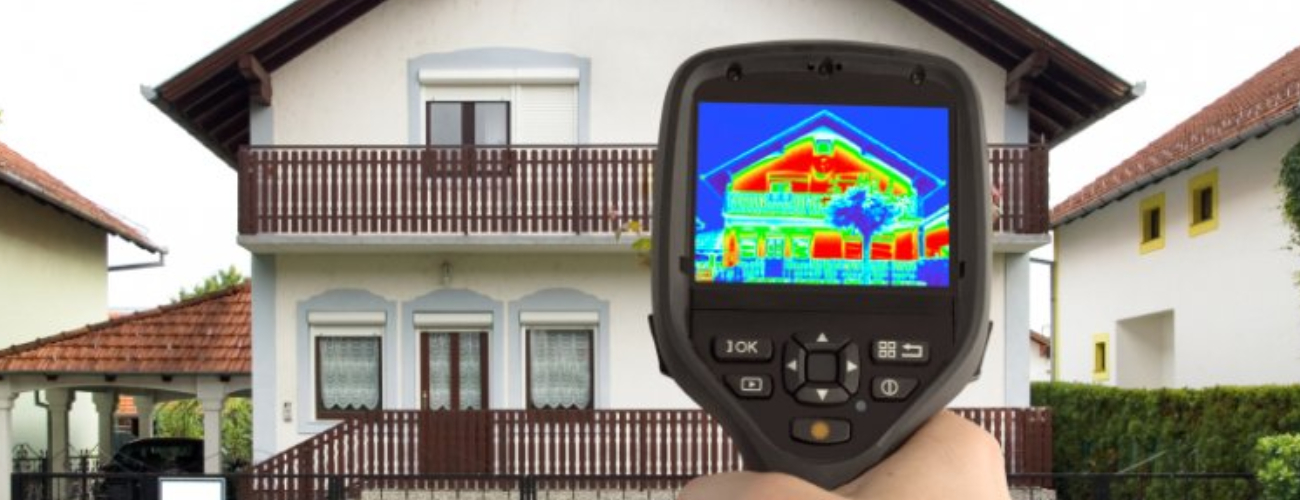
Thermal imaging, also known as infrared imaging, utilizes infrared cameras to see and measure thermal energy emitted from an object. Thermal cameras can detect temperature variations and translate them into clear, visual images which are easy to interpret. These variations can often indicate potential problems in a house’s structure and systems.
Key Benefits of Thermal Imaging in Home Inspections
- Detecting Moisture Issues: One of the most valuable uses of thermal imaging is identifying areas where moisture may be accumulating. This includes hidden leaks from pipes or moisture penetration through the exterior walls. Over time, these moisture issues can lead to mold and structural damage.
- Revealing Insulation Gaps: Proper insulation is crucial for maintaining an energy-efficient home. Thermal imaging can highlight areas in the attic, walls, and floors where insulation may be missing or inadequate.
- Identifying Electrical Faults: Overheating electrical components can be a fire hazard. Thermal cameras can pinpoint hot spots in electrical panels and wiring before they become a serious issue.
- Locating Structural Defects: Variations in thermal images can help reveal structural defects that may compromise the integrity of a home, such as poor construction practices or previous unseen damage.
- Improving Energy Efficiency: By detecting areas where heat escapes or enters a home, thermal imaging can provide insights into how to better insulate a home, leading to significant savings on energy bills.
How Thermal Imaging Works
During a thermal inspection, a certified inspector uses an infrared camera to take images of the house. These images show different temperatures in different colors. Cooler areas might indicate dampness or a draft, while warmer spots could signify heat loss or electrical issues. The inspector analyzes these images to pinpoint problems that need closer examination.
Who Should Use Thermal Imaging?
While anyone can benefit from thermal imaging, it is particularly recommended for:
- Home Buyers: Before purchasing a home, buyers should consider a thermal inspection to uncover any hidden problems that might not be apparent during a conventional inspection.
- Home Sellers: Sellers can use thermal imaging to identify and address issues before listing their property, potentially speeding up the sale process and avoiding negotiations on price reductions.
- Current Homeowners: For maintenance, thermal imaging can help homeowners prioritize repairs and improvements, ensuring their home remains in good condition.
Choosing a Thermal Imaging Professional
When selecting a professional to perform thermal imaging, ensure they are certified and experienced in interpreting thermal images. Proper analysis is crucial to accurately diagnosing potential issues in a home.
Conclusion
Thermal imaging is a powerful tool in the arsenal of home maintenance and renovation. By revealing hidden problems before they escalate, it can save homeowners time, money, and stress. Consider incorporating thermal imaging into your next home inspection to ensure your property is safe, efficient, and free of hidden defects. Whether you’re buying, selling, or simply maintaining your home, thermal imaging provides peace of mind by making the invisible visible.