

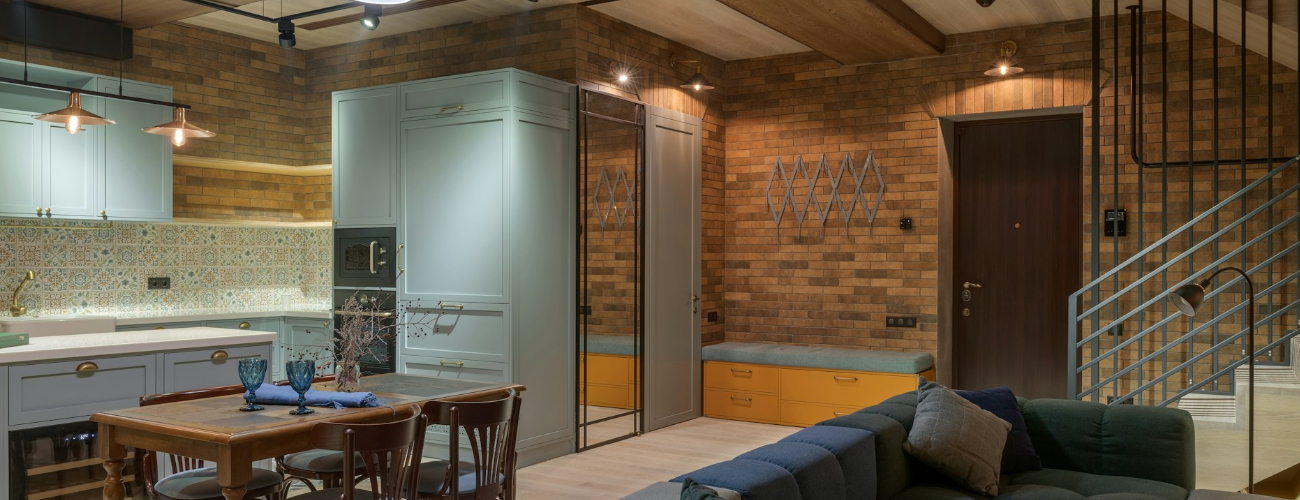
Transforming Your Basement into a Functional Living Space
A basement remodel is one of the smartest ways to add livable square footage to your home without building an addition. Whether you envision a guest suite, home office, entertainment area, or gym, your basement holds untapped potential. However, turning a dark, underused space into a functional, comfortable area requires careful planning. Here’s where to begin when revamping your basement into a beautiful and practical living space.
Step 1: Evaluate the Condition
Before diving into design plans, assess the current state of your basement. Look for signs of moisture, mold, or structural damage. Check the ceiling height—most local building codes require a minimum clearance of 7 feet. Also ensure the space has safe access and meets emergency egress requirements, especially if bedrooms will be added. Hiring a professional inspector or contractor is recommended to uncover hidden issues early on.
Step 2: Address Moisture and Waterproofing
Basements are naturally prone to moisture due to their below-grade location. Even small amounts of dampness can lead to mold, odors, and long-term damage. Start with a thorough waterproofing process: seal any cracks in the foundation, install a sump pump if necessary, and consider adding a vapor barrier behind walls and under flooring. Proper drainage and dehumidification will help keep the space dry and healthy.
Step 3: Plan the Layout
Once your basement is clean, dry, and structurally sound, it’s time to design the layout. Think about how the space will be used—will you need a family room, additional bedroom, kitchenette, or workspace? Divide the basement into zones that suit your lifestyle. Use walls, furniture, or half-height partitions to separate areas while maintaining flow and openness. Include storage solutions wherever possible to maximize function.
Step 4: Choose the Right Flooring and Materials
Select materials that are durable and moisture-resistant. Vinyl plank flooring, tile, and engineered wood are all excellent choices for basement conditions. Avoid traditional hardwood, which can warp in high humidity. For walls, moisture-resistant drywall or wall panels are ideal. Choose light colors to brighten the space, and consider layered lighting (overhead, task, and accent) to enhance comfort and visibility.
Step 5: Focus on Comfort and Insulation
Basements can feel colder than other parts of the home, so proper insulation is essential. Insulate walls and ceilings to help regulate temperature and reduce noise between floors. If your ceiling height allows, consider installing drop ceilings for easy access to plumbing and wiring. Adding rugs, soft furnishings, and curtains can also make the basement feel warmer and more inviting.
Step 6: Add Final Touches and Personal Style
Finish your basement transformation with paint, décor, and furniture that reflect your personal taste. Whether you prefer modern minimalism, rustic charm, or cozy comfort, the basement should feel like a seamless extension of your home. Incorporate functional features such as built-in shelving, entertainment systems, or a small kitchenette to increase convenience.
Conclusion
Transforming your basement into a functional living space is a rewarding investment that adds value, versatility, and comfort to your home. By starting with structural improvements and planning a thoughtful layout, you can create a space that meets your family’s evolving needs. With the right approach, your basement can go from forgotten storage zone to one of the most beloved areas of the house.