

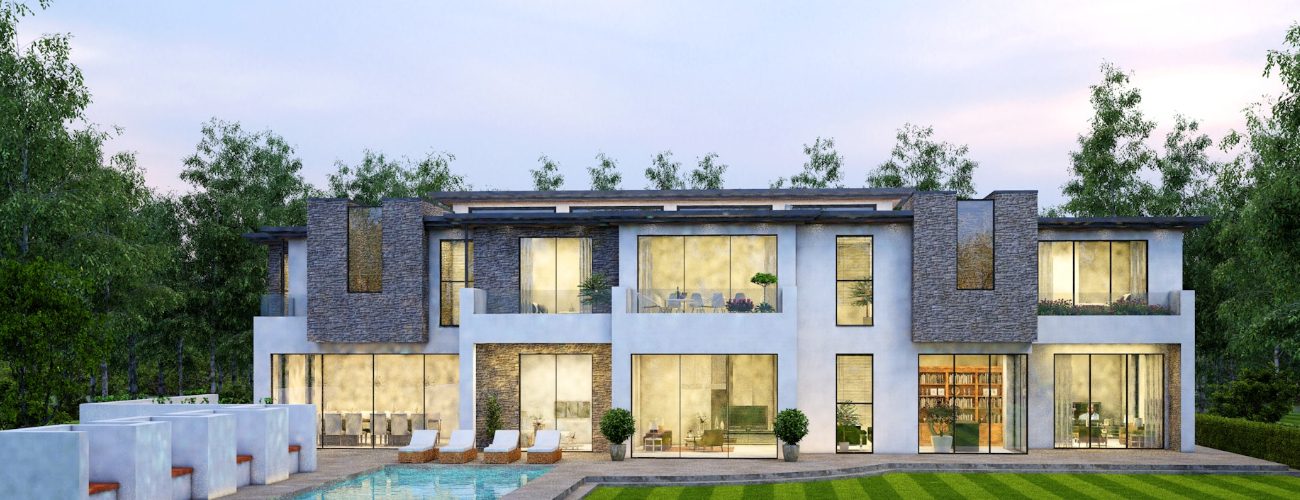
Stucco vs. Siding: Which Exterior Finish Is Right for Your Home?
When it comes to choosing the right exterior finish for your home, the decision often comes down to two popular options: stucco and siding. Both materials offer distinct advantages in terms of durability, appearance, maintenance, and cost. However, the right choice depends on your home’s location, architectural style, and long-term maintenance expectations. This guide explores the key differences between stucco and siding to help you make an informed decision.
What Is Stucco?
Stucco is a cement-based material that is applied in multiple layers over a lath or mesh system. It creates a seamless, solid exterior that is known for its classic, Mediterranean-inspired look. Stucco can be textured or smoothed, and it can be painted in a variety of colors to match your design preferences.
Advantages of Stucco:
- Durability: When properly installed, stucco can last for 50 years or more. It holds up well in dry and warm climates.
- Energy efficiency: Stucco has natural insulating properties, helping to regulate indoor temperatures and reduce energy costs.
- Aesthetic flexibility: It offers a timeless look that pairs beautifully with Spanish, Mediterranean, and modern homes.
- Fire resistance: Being a cement-based product, stucco is naturally fire-resistant, which adds an extra layer of protection.
Considerations:
- Not ideal for wet climates: Stucco can crack or absorb moisture if not sealed and maintained properly, especially in areas with heavy rainfall or snow.
- More expensive to install: The application process is labor-intensive, often resulting in higher upfront costs.
- Repair challenges: Repairs can be more visible and difficult to match seamlessly.
What Is Siding?
Siding is a general term for a variety of panel-style exterior claddings, including vinyl, wood, fiber cement, and engineered wood. It is usually installed in overlapping horizontal rows and offers a wide range of textures, colors, and finishes.
Advantages of Siding:
- Variety of styles: Siding offers a wide selection of materials and colors, from traditional lap siding to shingles and vertical panels.
- Cost-effective: Vinyl siding, in particular, is one of the most affordable and low-maintenance options on the market.
- Easy to install and replace: Siding panels are easier to remove and replace if damaged.
- Moisture-resistant options: Many types of siding, especially fiber cement and vinyl, are designed to withstand moisture and harsh weather.
Considerations:
- Shorter lifespan: Depending on the material, siding may require replacement every 20–40 years.
- Less fire-resistant: While some materials like fiber cement are fire-rated, others like vinyl can melt or warp in extreme heat.
- Can fade over time: Exposure to sunlight and weather can cause color fading, especially in lower-quality siding products.
Which One Is Right for You?
- Climate: If you live in a hot, dry area, stucco may be ideal. For wet or humid regions, siding offers better resistance to moisture.
- Maintenance: Vinyl siding requires little upkeep, while stucco may need sealing and periodic inspection for cracks.
- Budget: Siding tends to be more affordable upfront. Stucco has a higher initial cost but can last longer if maintained properly.
- Aesthetic goals: Stucco offers a more refined, traditional look, while siding is highly versatile and suits a variety of home styles.
Conclusion
Both stucco and siding have their strengths, and the best option depends on your specific needs and preferences. Stucco delivers elegance and long-term durability, especially in dry climates, while siding offers versatility, affordability, and easy maintenance. By weighing the pros and cons of each, homeowners can choose an exterior finish that complements their home’s design and performs well for years to come.