

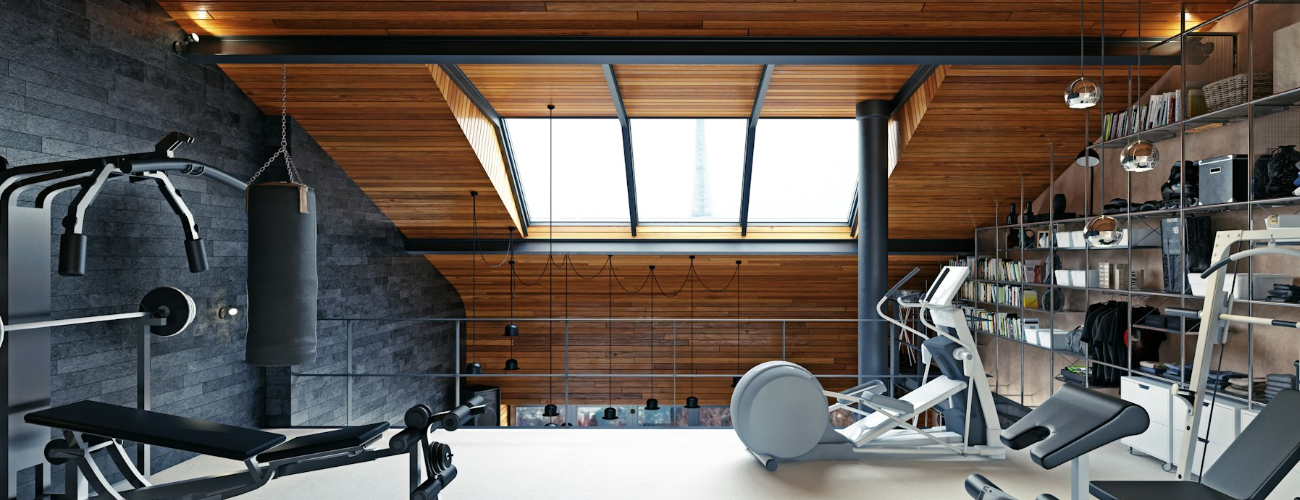
Transforming an Attic into a Home Gym
As homeowners seek functional ways to expand living space, attic conversions have become increasingly popular. One practical and forward-thinking option is transforming an attic into a home gym. This renovation maximizes underutilized square footage while creating a dedicated environment for health and fitness. With proper planning and structural preparation, an attic can become a safe, comfortable, and motivating workout space.
Assessing Structural Capacity
Before installing fitness equipment, structural evaluation is essential. Attics were not always designed to support heavy loads such as treadmills, weight racks, or multi-station machines. Reinforcing floor joists may be necessary to ensure stability and prevent vibration transfer to lower levels.
Ceiling height must also be considered. Sufficient headroom is required for overhead movements such as stretching or lifting weights. Local building codes may specify minimum ceiling clearance for habitable spaces.
Proper stair access is another key factor. A permanent staircase improves usability and safety compared to retractable ladders.
Flooring and Sound Insulation
Flooring plays a critical role in both performance and comfort. Rubber gym flooring or interlocking foam tiles absorb impact and reduce noise. These materials also protect structural surfaces from damage caused by dropped weights.
Sound insulation is particularly important in multi-level homes. Adding acoustic underlayment or additional insulation between floor levels minimizes disturbance in living areas below. Strategic planning ensures that workout noise does not compromise household comfort.
Ventilation and Climate Control
Attics are prone to temperature fluctuations due to roof exposure. Effective insulation and ventilation are necessary to maintain a stable environment. Without proper climate control, the space may become excessively hot in summer or too cold in winter.
Installing ductless mini-split systems or extending HVAC lines provides consistent temperature regulation. Skylights or operable windows enhance natural ventilation and introduce daylight, improving the overall workout experience.
Lighting and Motivation
Lighting influences both functionality and atmosphere. Bright, evenly distributed lighting enhances visibility and safety. Recessed LED fixtures work well in sloped ceilings, while wall-mounted lights reduce glare.
Natural light adds energy and openness. Skylights or dormer windows can significantly improve the feel of the space. Mirrors, often included in home gyms, reflect light and create a sense of expanded area.
Equipment Layout and Storage
Efficient layout planning ensures safe movement between equipment zones. Cardio machines may be positioned near windows for ventilation and visual openness, while weight areas require clear overhead and side clearance.
Built-in shelving or cabinetry keeps smaller equipment organized. Wall-mounted racks for resistance bands, yoga mats, or free weights maximize vertical space and maintain order.
Compact or foldable equipment is ideal in attics with limited square footage.
Enhancing Comfort and Durability
Moisture-resistant finishes are recommended due to increased humidity from workouts. Durable paint, easy-to-clean wall panels, and reinforced surfaces ensure long-term performance.
Adding a small seating area or hydration station enhances functionality. Some homeowners incorporate an adjacent bathroom or shower during larger renovation projects.
A Strategic and Healthy Investment
Transforming an attic into a home gym combines practicality with long-term lifestyle benefits. By reinforcing structure, improving insulation, and planning layout carefully, homeowners can create a dedicated fitness space without expanding the home’s footprint.
A thoughtfully designed attic gym not only increases property value but also supports daily well-being. Through strategic renovation, unused space becomes a functional environment that promotes health, convenience, and efficient design.