

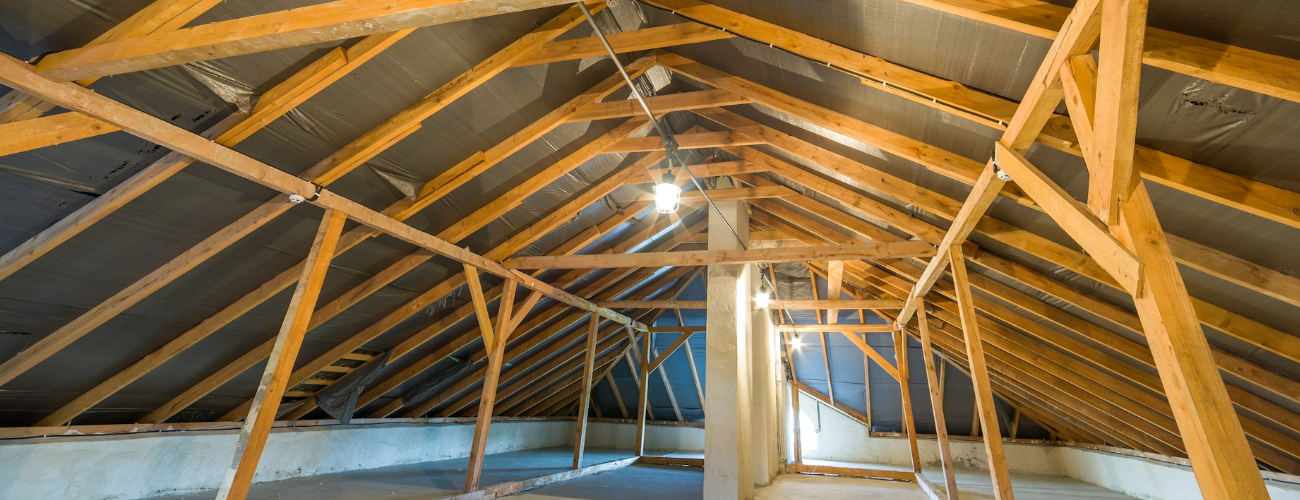
Top Mistakes to Avoid When Renovating an Attic
Renovating an attic is one of the most effective ways to maximize living space without expanding your home’s footprint. Whether you dream of a cozy guest room, a quiet office, or a playful family area, the attic holds enormous potential. However, because of its unique structure, mistakes during the renovation process can lead to costly repairs, safety issues, or uncomfortable living conditions. To help you avoid common pitfalls, here are the top mistakes homeowners should steer clear of when renovating an attic.
Ignoring Building Codes and Safety Standards
One of the biggest errors is starting an attic renovation without checking local building codes. Many municipalities require minimum ceiling heights, proper ventilation, and safe exits in case of emergencies. Skipping this step can result in fines or even force you to undo your hard work. Always confirm regulations before you begin to ensure your new space is legal and safe.
Poor Insulation and Ventilation
Attics are known for extreme temperatures—sweltering in the summer and freezing in the winter. Renovating without upgrading insulation or ensuring proper airflow can make the space uncomfortable and drive up energy bills. A balanced approach with quality insulation and well-placed vents keeps the area livable year-round. Skylights and dormer windows can also improve airflow while bringing in natural light.
Overlooking Structural Limitations
Another common mistake is not assessing whether the floor can handle the extra weight of furniture, plumbing, or even heavy appliances. Attic floors are not always built to support regular living space. Before starting, hire a professional to evaluate structural integrity and make necessary reinforcements to avoid long-term damage or safety risks.
Forgetting About Accessibility
A beautifully renovated attic is useless if it’s difficult to access. Too often, homeowners neglect to upgrade the staircase or rely on pull-down ladders. Consider installing a permanent staircase that is wide, safe, and code-compliant. Not only will it make daily use easier, but it will also add long-term value to your property.
Wasting Space with Poor Layout Choices
Because of sloped ceilings and awkward corners, attic renovations require smart planning. Placing large furniture in areas with low headroom leads to wasted space and a cramped feel. Built-in shelving, window seats, and custom storage units help maximize every inch while keeping the design practical.
Skipping Proper Lighting Design
Attics often have limited natural light, so relying on a single ceiling fixture can leave the room dark and unwelcoming. Layered lighting—such as recessed lights, sconces, and floor lamps—creates warmth and functionality. Adding skylights or dormers not only brightens the room but also enhances its aesthetic appeal.
Underestimating Costs
Many homeowners assume an attic renovation will be inexpensive compared to other projects. However, when you add insulation, electrical upgrades, plumbing, and structural reinforcements, costs can rise quickly. Failing to set a realistic budget with a contingency fund often leads to unfinished projects. Plan carefully and work with professionals to avoid financial surprises.
Ignoring Soundproofing
Because the attic is directly under the roof, external noise such as rain, wind, or street sounds can be amplified. Without proper soundproofing, the new space may feel less inviting. Installing acoustic insulation and high-quality windows helps reduce noise, making the room more comfortable for daily use.
Overdesigning the Space
Finally, many homeowners fall into the trap of making the attic too trendy or theme-specific. While creativity is important, overly personalized designs may reduce resale value. Strive for a balance between style and timelessness so the space remains functional and appealing for years to come.
Conclusion
An attic renovation can transform forgotten square footage into one of the most charming and practical parts of your home. By avoiding these common mistakes—such as ignoring building codes, skimping on insulation, or underestimating costs—you can ensure your project is successful, comfortable, and lasting. With careful planning, the attic can become a valuable extension of your living space that enhances both daily life and property value.