

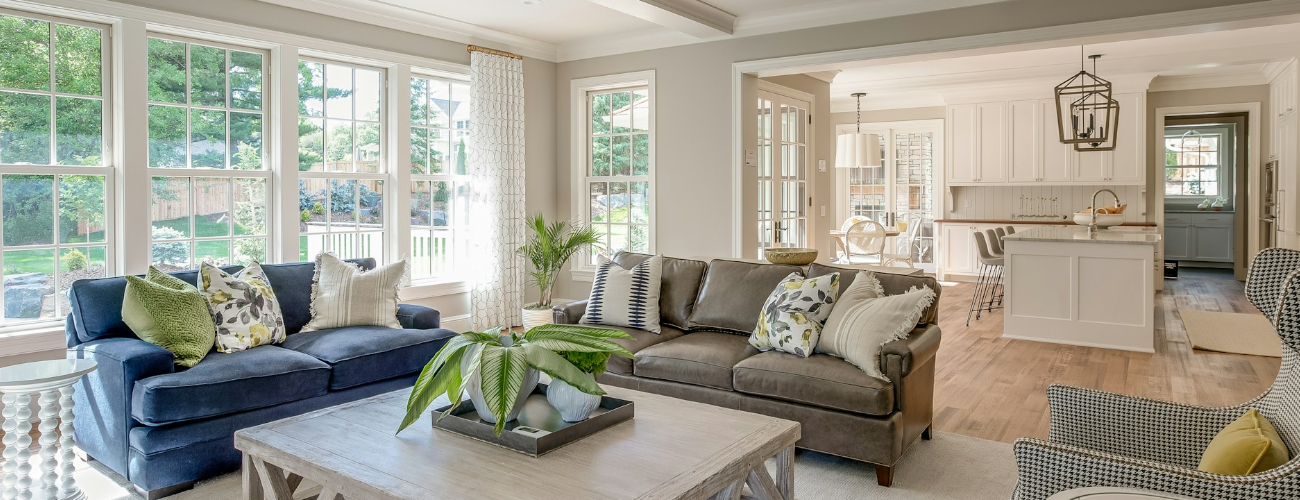
Classic vs. Contemporary Designs for Windows and Doors
Windows and doors are defining features of a home’s architecture. They frame natural light, create entry points, and set the tone for the overall aesthetic. When planning a renovation or new build, one of the most important decisions is whether to choose a classic or contemporary design. Both styles offer beauty and functionality, but they differ significantly in appearance, materials, and the mood they create. Understanding these differences will help you select the option that best suits your home’s character and your personal taste.
Classic Designs: Timeless Elegance
Classic windows and doors draw inspiration from traditional architecture. They are characterized by symmetry, detail, and craftsmanship, often evoking warmth and history.
Key Features of Classic Windows:
- Divided panes or grids that add depth and charm.
- Materials like wood, which provide a rich, natural finish.
- Arched or decorative shapes that reflect heritage styles such as Victorian, Colonial, or Craftsman.
Key Features of Classic Doors:
- Paneled designs, sometimes with glass inserts or sidelights.
- Ornamental hardware in finishes like brass or bronze.
- Solid construction that emphasizes durability and tradition.
Advantages:
Classic designs bring character and sophistication to a home. They complement historic properties and create an inviting, timeless curb appeal. Their detailed craftsmanship makes them stand out, adding value for homeowners who appreciate tradition.
Considerations:
Classic windows and doors often require more maintenance, particularly wood frames that need regular painting or sealing. They may also limit natural light compared to large, frameless contemporary options.
Contemporary Designs: Sleek and Minimalist
Contemporary windows and doors reflect modern architecture, focusing on simplicity, functionality, and openness. They are designed to maximize light, blur boundaries between indoor and outdoor spaces, and complement clean architectural lines.
Key Features of Contemporary Windows:
- Large, unobstructed glass panels that provide expansive views.
- Slim frames made from aluminum, fiberglass, or vinyl.
- Square, geometric shapes that emphasize simplicity.
Key Features of Contemporary Doors:
- Pivot or sliding glass doors that create seamless transitions.
- Minimal hardware in matte black, chrome, or brushed steel.
- Flush panels with smooth finishes for a modern aesthetic.
Advantages:
Contemporary designs make spaces feel open and airy. They work especially well in modern homes with open floor plans, highlighting natural light and outdoor scenery. Their minimalist look ensures they won’t overwhelm interiors, creating a versatile backdrop for décor.
Considerations:
Because of their large glass surfaces, contemporary windows and doors can be less energy-efficient unless paired with advanced glazing. They also may not suit traditional architecture, where they can appear out of place.
Blending Classic and Contemporary Styles
Many homeowners find a balance between classic and contemporary design by blending elements of both. For example, a traditional paneled wooden door can be paired with sleek, modern hardware. Windows with simple grids can strike a middle ground between timeless character and modern minimalism. This hybrid approach allows for personal expression while maintaining harmony with the home’s architecture.
How to Decide Which Style Fits Best
- Architecture of the home: Match the design to the building’s style—classic works for historic homes, while contemporary suits modern builds.
- Personal taste: Consider whether you prefer ornate details or clean simplicity.
- Lifestyle: Large, modern windows are ideal for open-plan living, while classic designs may better suit cozy, traditional spaces.
- Neighborhood context: A home should complement its surroundings for cohesive curb appeal.
Conclusion
The choice between classic and contemporary windows and doors comes down to aesthetics, lifestyle, and architectural context. Classic designs deliver timeless elegance and craftsmanship, while contemporary options embrace simplicity and openness. By understanding the unique qualities of each, and even blending the two, you can create a home that reflects both your vision and enduring design principles.