

Tile Types and Where to Use Them
Tile is one of the most versatile and durable materials available in home renovation and design. It comes in a wide range of materials, finishes, colors, and sizes, making it suitable for nearly every room. However, not all tiles are created equal. Choosing the right tile for each space ensures both aesthetic appeal and long-term functionality. Here’s a guide to the most popular tile types and where to use them effectively in your home.
Ceramic Tile: Ideal for Kitchens, Bathrooms, and Entryways
Ceramic tiles are made from natural clay, shaped, glazed, and fired in a kiln. They’re one of the most popular and affordable options on the market. Their water resistance and easy-to-clean surface make them perfect for kitchens and bathrooms. Use ceramic tiles on backsplashes, walls, or low-traffic floors. For added durability, choose ceramic tiles with a high PEI (Porcelain Enamel Institute) rating if they’ll be used on floors.
Porcelain Tile: Best for High-Traffic and Wet Areas
Porcelain is a denser, more durable version of ceramic tile. It resists water and wear better, making it ideal for heavy-use areas such as entryways, mudrooms, hallways, and even outdoor patios. Because it’s non-porous, porcelain tile is also a top choice for bathroom and shower floors. Available in styles that mimic wood, stone, and marble, porcelain tiles provide both beauty and practicality.
Natural Stone Tile: Great for Living Rooms, Bathrooms, and Feature Walls
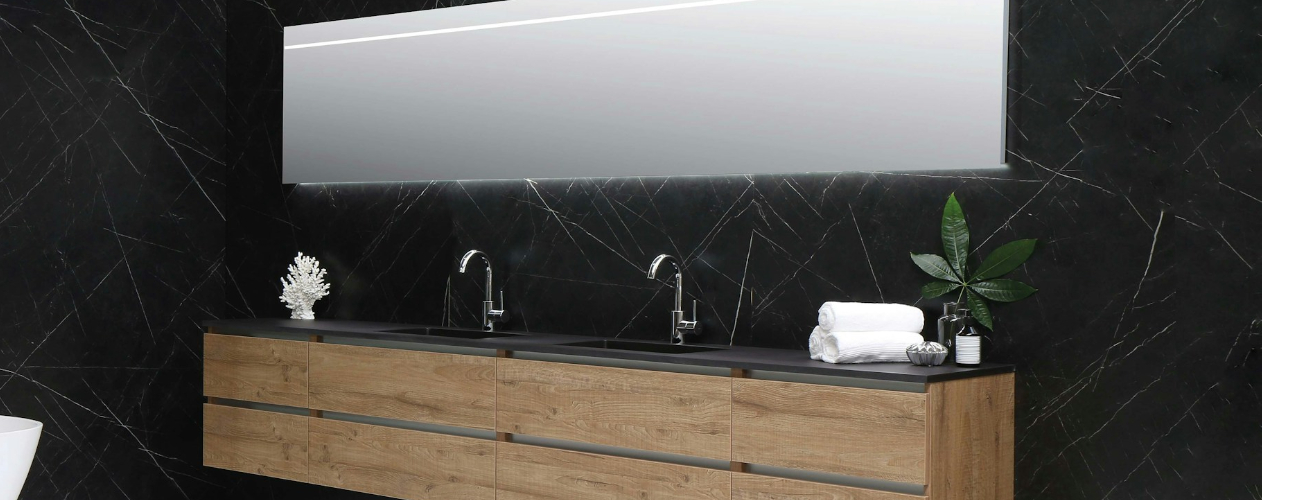
Natural stone tiles—such as marble, slate, granite, limestone, and travertine—offer rich textures and unique variations that add character to any space. These tiles work well in living rooms, fireplace surrounds, and bathrooms. However, they require sealing to prevent stains and water damage. Stone tiles are perfect for creating a high-end look, but they may not be suitable for wet areas without proper treatment.
Glass Tile: Perfect for Backsplashes and Accents
Glass tiles reflect light beautifully and come in a variety of colors and finishes. They are best used on backsplashes, shower walls, or as accent strips in combination with other tile types. Glass is not ideal for flooring because it can be slippery and prone to chipping, but it creates striking focal points in kitchens and bathrooms.
Cement Tile: Ideal for Statement Floors and Bold Designs
Cement tiles are handmade and known for their vibrant patterns and colors. They add a bold, artistic element to spaces such as entryways, powder rooms, and kitchen floors. Cement tiles are porous, so they require sealing to protect against moisture and staining. Their unique look makes them a favorite for homeowners seeking a distinctive touch.
Mosaic Tile: Best for Shower Floors and Decorative Borders
Mosaic tiles are small pieces—often glass, ceramic, or stone—arranged in patterns on a mesh backing. They’re great for curved surfaces and tight areas, making them ideal for shower floors, niches, and decorative borders. Their slip-resistant surface also makes them a smart choice for wet floors.
Quarry Tile: Excellent for Mudrooms and Outdoor Areas
Made from unglazed natural clay, quarry tiles are durable and slip-resistant. They’re great for areas that get a lot of dirt, water, or outdoor exposure. Use quarry tiles in mudrooms, utility areas, and covered patios. They often come in earthy reds and browns that complement rustic or traditional designs.
Conclusion
Understanding tile types and their ideal applications allows for smarter design choices throughout your home. Whether you’re creating a sleek modern bathroom, a welcoming kitchen, or a durable mudroom, the right tile enhances both style and performance. Always consider the tile’s material, texture, and water resistance when selecting it for different areas. Thoughtful tile selection adds beauty, value, and lasting quality to any renovation project.