

Heated Floors: Worth the Investment?
When planning a home renovation or building a new space, comfort and energy efficiency often top the list of priorities. One feature that’s gaining popularity for its luxurious feel and practical benefits is heated flooring. Stepping onto a warm floor on a cold morning sounds like a dream—but is it worth the investment?
Heated floors, also known as radiant floor heating, offer more than just comfort. They can be a smart choice for homeowners who want a more efficient, even way to heat their space. Let’s explore how heated floors work, their pros and cons, and whether they’re the right choice for your home.
How Heated Floors Work
There are two main types of radiant floor heating systems:
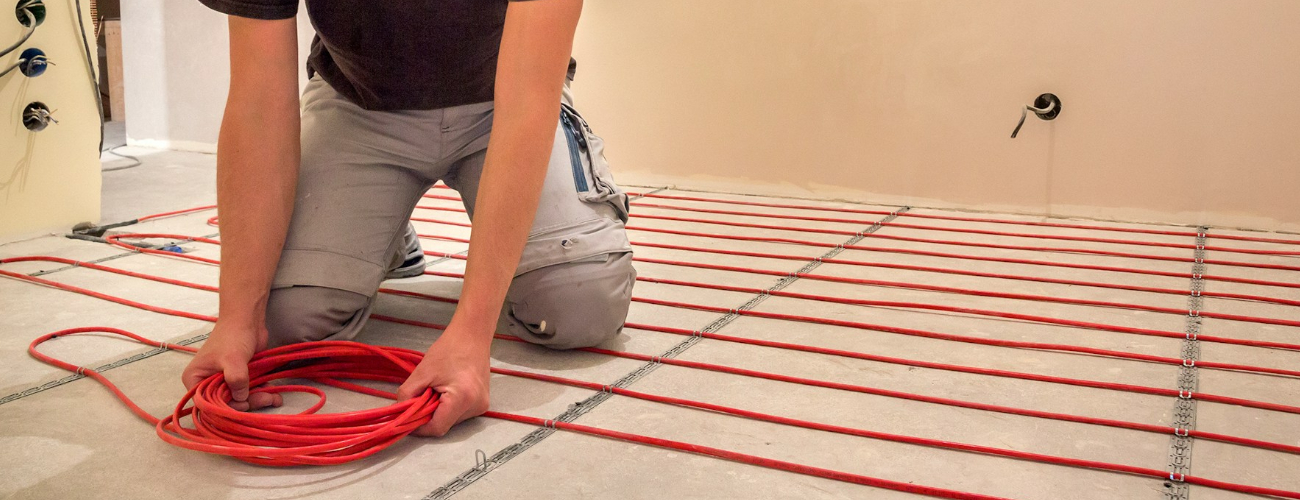
- Electric Radiant Heating: Uses electric cables or mats installed beneath the floor surface. It’s easier to install in smaller spaces, such as bathrooms or kitchens, especially during renovations.
- Hydronic Radiant Heating: Circulates warm water through tubing embedded in the floor. This system is typically more efficient for heating larger areas or entire homes, but it’s more complex and better suited to new construction.
Both systems work by radiating heat upward, warming the floor and then the room above. Unlike forced-air systems, there are no vents, drafts, or cold spots—just even, consistent heat.
Advantages of Heated Floors
Enhanced Comfort
The biggest draw is the comfort of walking barefoot on a warm surface, especially in tile-floored rooms like bathrooms and kitchens. It adds a touch of luxury to everyday living.
Even Heat Distribution
Radiant heat warms the room evenly from the ground up, avoiding the hot-and-cold zones often caused by radiators or forced-air systems.
Energy Efficiency
Because heat is distributed more evenly and retained longer by materials like tile or concrete, radiant heating can reduce energy use. Hydronic systems, in particular, are known for their long-term efficiency.
Silent and Invisible
No noisy furnaces, blowing air, or bulky radiators. Heated floors are completely hidden, which frees up wall and floor space for design flexibility.
Allergy-Friendly
Radiant heat doesn’t circulate dust or allergens like forced-air systems do, making it a good option for households with allergy sufferers.
Potential Drawbacks
Installation Cost
Radiant floor heating isn’t cheap, especially if you’re retrofitting an existing space. Electric systems can cost between $8 to $15 per square foot, while hydronic systems may cost more due to plumbing and boiler setup.
Floor Height
Adding a heating layer can slightly raise your floor level, which might require adjustments to doors or trim, especially in older homes.
Installation Time
Depending on the type, installation may involve removing existing flooring, laying down insulation, and waiting for thinset or concrete to dry before installing the finished floor.
Limited Flooring Compatibility
While radiant heating works well with tile, stone, and concrete, it may be less effective with carpet or certain hardwoods unless designed for radiant heat.
Is It Worth the Investment?
For many homeowners, the answer is yes—especially in cold climates or when renovating high-use spaces like bathrooms. While the upfront cost can be significant, the long-term comfort, energy savings, and added property value can make radiant floor heating a worthwhile investment.
If you’re already replacing flooring, that’s the perfect time to consider heated floors. It adds luxury and efficiency without major additional labor. However, if you’re working within a tight budget or only need minimal heating upgrades, you might want to prioritize other improvements first.
Final Thoughts
Heated floors blend comfort with smart functionality. They offer a quiet, efficient, and luxurious way to heat your home. While not essential for every project, they’re certainly worth considering—especially if you value warm toes and sleek, space-saving solutions. Whether you’re building a new home or upgrading a bathroom, radiant heating could be a smart investment that pays off in both comfort and value.