

The Ultimate Guide to Open-Concept Floor Plans
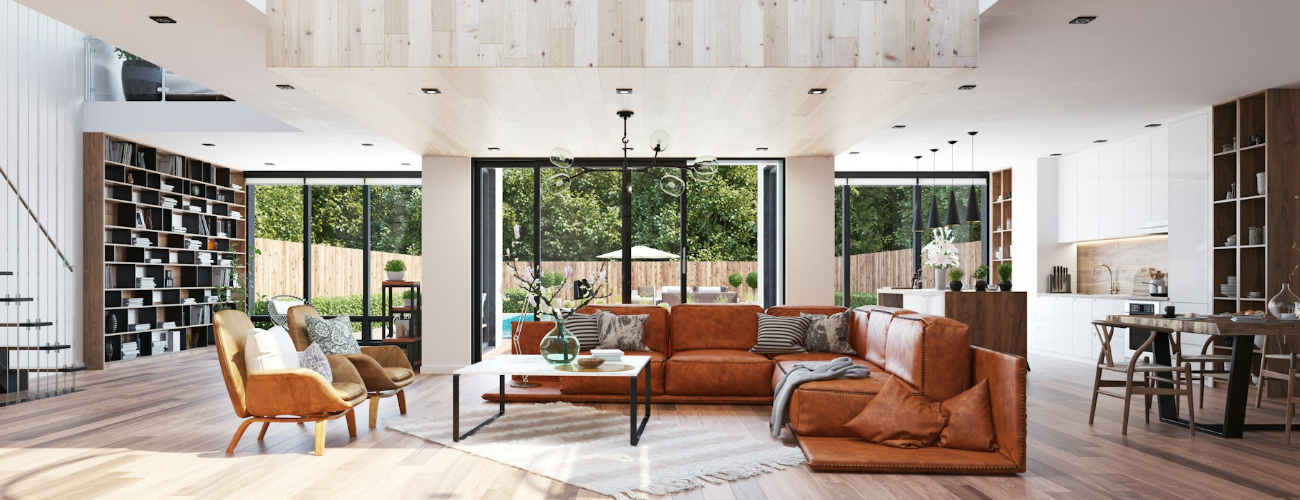
Open-concept floor plans have become a staple in modern home design, offering a sense of spaciousness, connectivity, and versatility. By eliminating walls and barriers, this layout creates a seamless flow between living areas, making homes feel larger and more inviting. If you’re considering an open-concept design for your home, this guide will walk you through its benefits, challenges, and tips for creating a functional and stylish layout.
What Is an Open-Concept Floor Plan?
An open-concept floor plan removes traditional walls and partitions that separate key living spaces, such as the kitchen, dining room, and living room. Instead of distinct rooms, these areas merge into one expansive space, fostering a sense of unity and allowing light to flow freely throughout.
Benefits of an Open-Concept Floor Plan
- Enhanced Natural Light: Without walls to block windows, sunlight can fill the entire space, making it feel brighter and more welcoming.
- Improved Social Interaction: Open layouts make it easier to engage with family and guests, whether you’re cooking in the kitchen or relaxing in the living room.
- Flexible Design Options: The expansive layout allows for creative furniture arrangements, making it adaptable to your needs.
- Increased Home Value: Open-concept homes are highly desirable and can boost resale value.
Challenges to Consider
While open-concept designs have many advantages, they do come with some challenges:
- Noise Levels: Without walls, sounds from the kitchen, TV, or conversations can travel easily. Adding rugs, curtains, and upholstered furniture can help absorb sound.
- Lack of Privacy: The open layout may not suit those who prefer quiet, separate spaces for activities like work or reading.
- Heating and Cooling: Larger spaces may require more energy to heat or cool. Strategically placed ceiling fans and zoned HVAC systems can help regulate temperature.
Designing an Open-Concept Floor Plan
Define Zones
Even in an open layout, it’s essential to create distinct areas for specific purposes. Use rugs, furniture placement, or lighting to visually separate the kitchen, dining, and living areas. For example, a large island can act as a boundary between the kitchen and the dining area.
Maintain a Cohesive Aesthetic
Choose a unified color palette and consistent materials to create a harmonious look. Matching flooring, cabinetry, and lighting fixtures can tie the space together while allowing for subtle differences to add interest.
Prioritize Storage Solutions
Open-concept designs often lack traditional storage spaces like closets or built-in cabinets. Incorporate clever storage solutions, such as built-ins, multifunctional furniture, and hidden storage, to keep the space organized.
Consider Traffic Flow
Ensure there’s ample room for movement between zones. Avoid overcrowding with furniture and maintain clear walkways to promote a smooth flow throughout the space.
Add Focal Points
Anchor your space with eye-catching elements like a statement light fixture, a fireplace, or a bold piece of art. These features add personality and help draw the eye across the open layout.
Incorporating Open-Concept in Renovations
If you’re transitioning to an open-concept floor plan during a renovation, consult with a structural engineer to determine which walls can be safely removed. Load-bearing walls may require beams or other structural reinforcements, which can impact the design and cost.
Is Open-Concept Right for You?
While open-concept designs are highly popular, they’re not for everyone. Consider your lifestyle and needs before committing to this layout. If you value privacy or need quiet spaces for work or study, a hybrid layout with partially open areas might be a better fit.
Conclusion
An open-concept floor plan can transform your home, making it brighter, more spacious, and perfect for modern living. By thoughtfully planning the layout, defining zones, and incorporating cohesive design elements, you can create a space that’s both functional and stylish.
Start envisioning your dream open-concept home today, and experience the benefits of a design that blends style with practicality!