

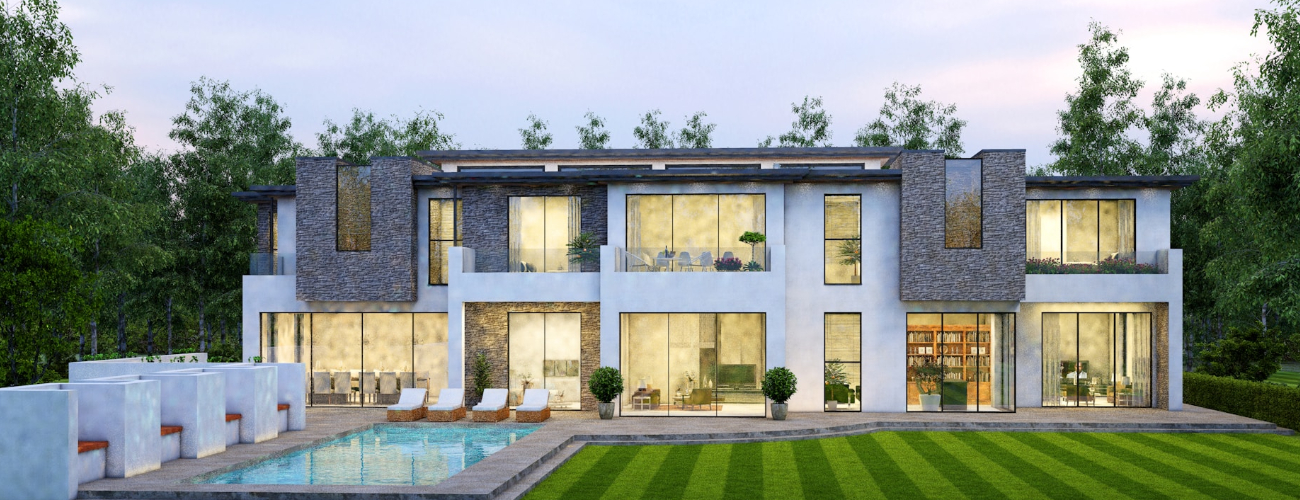
How to Choose the Perfect Exterior Materials for Different Climates
When it comes to building or renovating your home, choosing the right exterior materials is a critical decision. The materials you select not only impact the home’s aesthetic appeal but also determine its durability, energy efficiency, and maintenance requirements. Since climate plays a significant role in how well these materials perform, it’s essential to pick ones suited to your local weather conditions. Here’s a guide to help you make the best choice for your home.
Understanding Your Climate
Before selecting exterior materials, evaluate the climate in your region. Key factors include:
- Temperature Extremes: Areas with high heat or freezing winters require materials that can withstand thermal expansion and contraction.
- Precipitation Levels: Homes in rainy or snowy regions need water-resistant and moisture-tolerant materials.
- Wind and Storms: High-wind areas, including hurricane zones, demand impact-resistant materials.
- Sun Exposure: Intense sunlight can fade or damage certain materials over time.
Best Materials for Different Climates
Hot and Dry Climates
- Stucco: A classic choice for desert regions, stucco provides excellent insulation and reflects heat.
- Clay or Concrete Tiles: These roofing materials are heat-resistant and durable.
- Fiber Cement Siding: Resistant to warping and cracking in extreme heat, this material is long-lasting and low-maintenance.
Cold and Snowy Climates
- Vinyl Siding: Affordable and resilient, vinyl can handle freeze-thaw cycles without cracking.
- Engineered Wood Siding: Offers the warmth of natural wood but with added durability against moisture and cold.
- Metal Roofing: Snow slides off easily, reducing the risk of roof damage. Look for insulated panels to improve energy efficiency.
Rainy or Humid Climates
- Brick: Naturally resistant to water and highly durable, brick is an excellent choice for wet climates.
- Natural Stone: Impervious to moisture and adds a timeless aesthetic.
- Treated Wood or Composite Materials: Treated options resist rot and decay, making them suitable for damp conditions.
Windy and Storm-Prone Areas
- Fiber Cement Siding: Highly impact-resistant and able to withstand harsh winds.
- Metal Roofing: Provides excellent resistance to wind uplift and damage from flying debris.
- Hurricane-Rated Windows and Doors: Reinforced materials protect against storm damage.
Sun-Intense Regions
- UV-Resistant Coatings: Look for paints and finishes that resist fading and peeling in direct sunlight.
- Metal or Tile Roofing: These materials reflect sunlight and help maintain cooler indoor temperatures.
- Composite Siding: Durable and less likely to warp or fade under constant sun exposure.
Energy Efficiency Considerations
Different climates also demand materials that contribute to energy efficiency:
- Insulated Siding or Panels: Keep homes warm in cold climates and cool in hot climates.
- Cool Roof Coatings: Reflect sunlight, reducing heat absorption in warm regions.
- Double- or Triple-Pane Windows: Reduce heat transfer and improve insulation in extreme climates.
Maintenance and Longevity
When choosing materials, consider their upkeep requirements and lifespan:
- In humid areas, select mold-resistant materials to minimize maintenance.
- For high-wind areas, prioritize impact-resistant options that require minimal repairs.
- In sun-heavy climates, opt for UV-resistant finishes to reduce repainting costs.
Aesthetic and Local Building Codes
While functionality is key, don’t forget about curb appeal. Choose materials that match your home’s style and blend well with the neighborhood. Additionally, check local building codes and HOA regulations, as they may dictate specific material choices.
Conclusion
The right exterior materials not only protect your home but also enhance its beauty and energy efficiency. By understanding the demands of your climate and considering durability, maintenance, and aesthetics, you can select materials that will keep your home looking and performing its best for years to come.
Take the time to research and invest in the perfect materials to ensure your home stands strong against the elements, no matter the climate!