

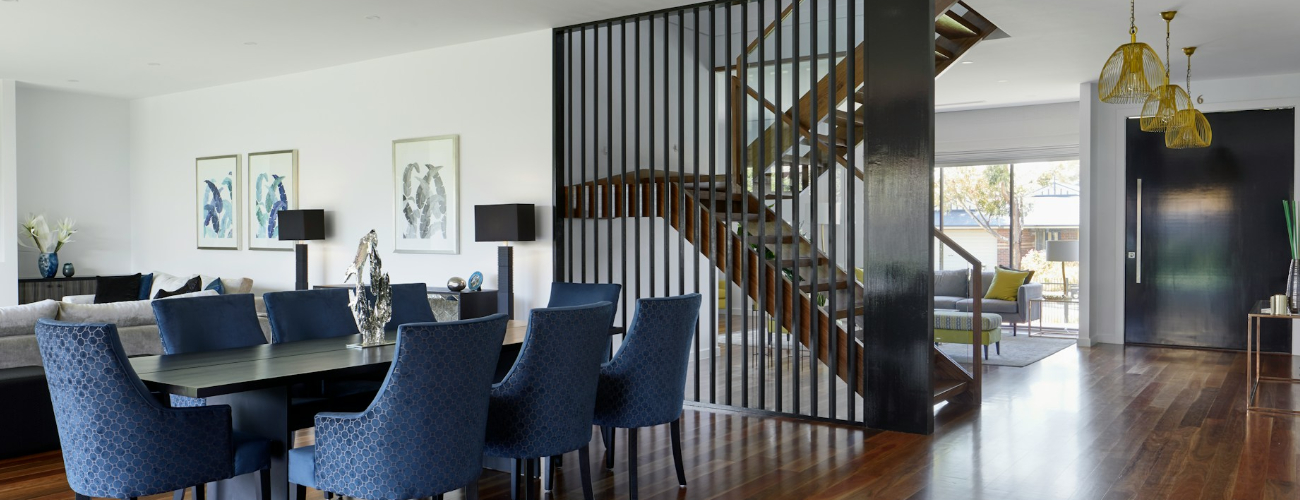
The Top Materials for Building Durable and Stylish Staircases
A well-designed staircase is not only a crucial functional component of a home but also a significant architectural feature that defines its character. The choice of materials used in constructing a staircase influences its durability, aesthetics, safety, and integration with the rest of the home’s design. With advancements in technology and design, homeowners today have a myriad of options to choose from. This guide explores the top materials for building durable and stylish staircases that can transform any interior.
Wood: Timeless Elegance
Wood remains one of the most popular materials for staircases due to its versatility, warmth, and timeless appeal. It offers a variety of finishes and can be crafted into countless designs to suit any home style—from traditional to contemporary.
- Types: Hardwoods like oak, walnut, and maple are preferred for their durability and the rich color they bring to a space. Softwoods such as pine are a cost-effective option for those on a budget.
- Finishes: Wood can be stained, painted, or sealed to enhance its natural beauty or match the home’s decor. A high-quality finish will also protect the wood from wear and ensure longevity.
Metal: Modern and Industrial Look
Metal staircases provide a sleek, contemporary look while offering strength and durability. They are particularly popular in modern and industrial-style homes and can be used for both indoor and outdoor staircases.
- Types: Steel is commonly used for its strength and flexibility in design. Aluminum is a lighter option, often used for its resistance to corrosion, making it ideal for outdoor staircases. Wrought iron is chosen for its ornamental capabilities, perfect for creating a dramatic entrance.
- Finishes: Metal can be powder-coated or painted in any color to match a home’s interior. Metallic finishes can also be applied for a more sophisticated touch.
Glass: Enhancing Spatial Perceptions
Glass is increasingly popular in modern staircase designs, favored for its ability to create a sense of openness and flow light throughout the space. It can be used for balustrades or even for the steps themselves.
- Types: Tempered glass is most commonly used for staircases due to its strength and durability. Laminated glass is also an option, offering additional safety features by holding together when shattered.
- Designs: Glass can be clear, frosted, or tinted, providing different levels of transparency and privacy. It can also be etched with designs for a more decorative look.
Stone: Luxurious and Majestic
Stone staircases are synonymous with luxury and grandeur, making a bold statement in any home. They are most suitable for large spaces due to their weight and the visual impact they create.
- Types: Marble, granite, and limestone are popular choices for their aesthetic appeal and durability. Each stone type offers unique colors and vein patterns, making each staircase a one-of-a-kind masterpiece.
- Maintenance: Stone requires sealing to prevent stains and can be polished to maintain its luster. It is durable and can withstand heavy traffic, though it may be slippery if not properly finished.
Concrete: Versatile and Contemporary
Concrete is a great option for those seeking a minimalist or industrial aesthetic. It is highly durable and offers a variety of textural finishes and colors through dyes and stains.
- Design Flexibility: Concrete can be poured into any shape, allowing for custom designs that fit perfectly with the architectural elements of a home.
- Durability: When properly sealed, concrete is resistant to wear, making it ideal for high-traffic areas.
Composite Materials: Innovation in Design
Composite materials such as fiberglass or reinforced plastic are becoming popular due to their ability to mimic other materials while offering benefits like reduced weight and increased durability.
- Advantages: Composites are often more resistant to environmental damage and can be designed to look indistinguishable from more traditional materials like wood or stone.
- Applications: They are particularly useful in environments where moisture or chemical exposure is an issue, such as outdoor or basement staircases.
Conclusion
Selecting the right material for a staircase is a crucial decision that impacts not only the design and feel of your home but also the functionality and safety of the space. Whether you prefer the warm traditional appeal of wood, the sleek modernity of metal, the clean transparency of glass, the majestic beauty of stone, the robust simplicity of concrete, or the innovative possibilities of composites, each material offers unique benefits. Consider the overall style of your home, your budget, and maintenance requirements when choosing the material for your staircase to ensure it meets your needs in terms of both form and function. By selecting the right materials, you can create a staircase that is both a stunning focal point and a durable, functional structure in your home.