

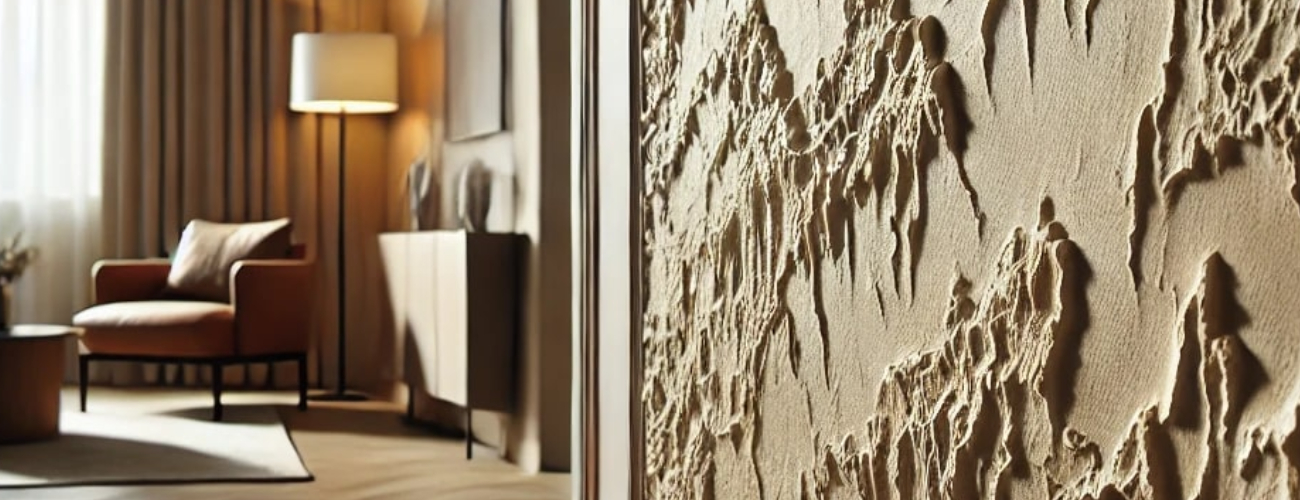
Textured Paint: What Is It and How to Choose It
When it comes to adding character and dimension to a room, textured paint is an increasingly popular choice among homeowners and decorators. This type of paint not only enhances the aesthetics of a space but also offers practical benefits, such as hiding imperfections in walls and adding durability. In this blog post, we’ll dive into what textured paint is, its types, benefits, and how to choose the right textured paint for your home improvement projects.
What is Textured Paint?
Textured paint is a type of specialty paint that contains granules or materials to give it a rough, textured finish when applied to walls or ceilings. This texture can range from subtle to dramatic, depending on the application technique and the type of paint used. Textured paints are often used not only for their visual appeal but also for their ability to cover minor wall blemishes and create a more dynamic interior space.
Types of Textured Paint
- Sand Texture Paint: This type incorporates fine sand into the paint to create a gritty, rough texture. It’s ideal for achieving a natural, subtle effect and is often used in living rooms and bedrooms.
- Smooth Texture Paint: Despite the name, smooth texture paints provide a soft, more refined texture compared to other textured types. They are perfect for areas where you want a tactile surface without the roughness of sand or popcorn textures.
- Popcorn Texture Paint: Often used on ceilings, popcorn texture paint contains polystyrene or styrofoam beads that create a pronounced texture. It’s excellent for soundproofing and hiding ceiling imperfections.
- Knockdown Texture: This type of paint creates a mottled texture that can range from subtle to heavy. The texture is applied by spraying the paint and then “knocking it down” with a trowel to flatten the top slightly.
Benefits of Using Textured Paint
- Aesthetic Appeal: Textured paint adds depth and an element of interest to your walls, elevating the overall look of your rooms.
- Durability: Textured paint is typically more durable than regular paint, as the added materials can provide extra protection against wear and tear.
- Imperfection Concealment: Textured paint is excellent for older walls with dents, scratches, or uneven surfaces, as it can mask these defects effectively.
- Customization: With a variety of application techniques, textured paint allows for extensive customization in finish and style.
How to Choose the Right Textured Paint
- Consider the Room: The type of room and its function should influence your choice of textured paint. For high-traffic areas, more durable textures that can withstand wear and tear are preferable.
- Desired Texture Depth: Decide on how pronounced you want the texture to be. A living room might benefit from a subtle sand texture, while a bedroom could feel cozier with a softer texture.
- Color and Light: Light colors tend to minimize the visibility of the texture, whereas darker colors will highlight it. Also, consider how light interacts with the texture in your space; different textures will diffuse light differently.
- Application Method: Some textured paints can be applied using standard rollers, while others might require special tools like trowels or spray equipment. Ensure you are comfortable with the application method or are willing to hire a professional.
- Quality and Ingredients: Look for paints that contain high-quality granules and offer good adhesion and coverage. Avoid cheaper alternatives that might not provide the durability or finish you need.
Conclusion
Textured paint is a versatile and practical choice for anyone looking to add unique style and durability to their home’s walls and ceilings. By understanding the different types of textured paints available and considering your room’s specific needs, you can select the right product to enhance your home decor effectively. Whether you’re covering up old imperfections or just want to add some visual interest to a room, textured paint offers a compelling solution.