

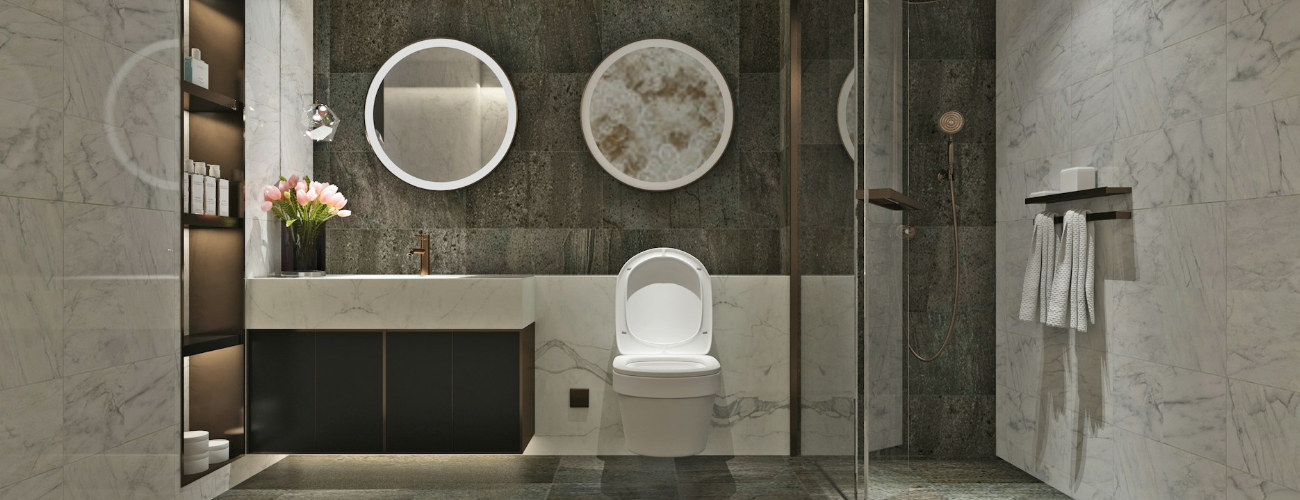
How to Combine a Bathroom with a Toilet and Not Regret It
Combining a bathroom with a toilet is a common renovation project, especially in homes where space is at a premium. Merging these two separate areas into a single functional space can maximize your bathroom’s utility and potentially increase your home’s value. However, this project requires careful planning and consideration to ensure the finished space meets your needs without sacrificing comfort or style. In this post, we’ll guide you through the essential steps and considerations to successfully combine your bathroom and toilet.
Step 1: Planning and Design
Assess Your Needs: Start by evaluating why you want to combine the spaces. Is it to add a shower, increase storage, or simply to modernize the space? Understanding your primary objectives will help guide the design process.
Space Planning: Measure your available space carefully. Consider all the elements you need to incorporate, including the toilet, sink, shower or bath, and any storage solutions. Use design software or work with a professional to visualize the layout options.
Compliance with Regulations: Ensure that your design complies with local building codes and regulations, which may dictate everything from the minimum space requirements to the placement of fixtures and ventilation systems.
Step 2: Choosing Fixtures and Features
Select Space-Saving Fixtures: Choose fixtures that make the most of a small space. Wall-mounted toilets and sinks can free up floor space, and shower-bath combinations provide versatility without requiring the room for a separate tub.
Consider Storage Solutions: Integrated storage, such as built-in cabinets or recessed shelving, can help keep your combined space tidy and organized. Don’t overlook the back of the door, corners, or the area above the toilet for potential storage.
Ventilation is Key: Good ventilation is crucial in a combined bathroom and toilet space to prevent mold growth and eliminate odors. An adequately sized exhaust fan or a window that can be opened is a must.
Step 3: Lighting and Color Scheme
Lighting: Proper lighting is essential. Consider layered lighting options: ambient lighting for overall illumination, task lighting near the mirror, and possibly accent lighting to enhance the space aesthetically.
Color Scheme: Light colors can make a small space appear bigger and brighter. Consider neutral tones for the majority of the space, using brighter or darker colors as accents to add depth and interest.
Step 4: Installation and Waterproofing
Hire Professionals: For plumbing and electrical work, it’s best to hire professionals. Incorrect installation can lead to costly problems later, especially in a combined space where water damage could be a risk.
Waterproofing: Ensure thorough waterproofing around the bath, shower, and toilet areas. This will protect your home’s structural integrity and prevent issues with mold and mildew.
Step 5: Decoration and Finishing Touches
Accessorize Wisely: Choose accessories that complement the style of your bathroom. Keep the decor simple to avoid cluttering the space. Functional items like towel bars, soap dishes, and mirrors can also enhance the design if chosen wisely.
Focus on Quality: In a high-traffic area like a combined bathroom and toilet, using high-quality materials can reduce wear and tear, extending the life of your fixtures and finishes.
Conclusion
Combining a bathroom with a toilet can be a rewarding project that enhances your living space and increases the functionality of your home. With careful planning, a thoughtful approach to design, and attention to detail, you can create a combined space that you won’t regret. Remember, the key to a successful renovation is as much in the preparation and design as it is in the execution. By following these steps, you’ll be well on your way to enjoying a beautifully combined bathroom and toilet that meets your needs and aesthetic preferences.