

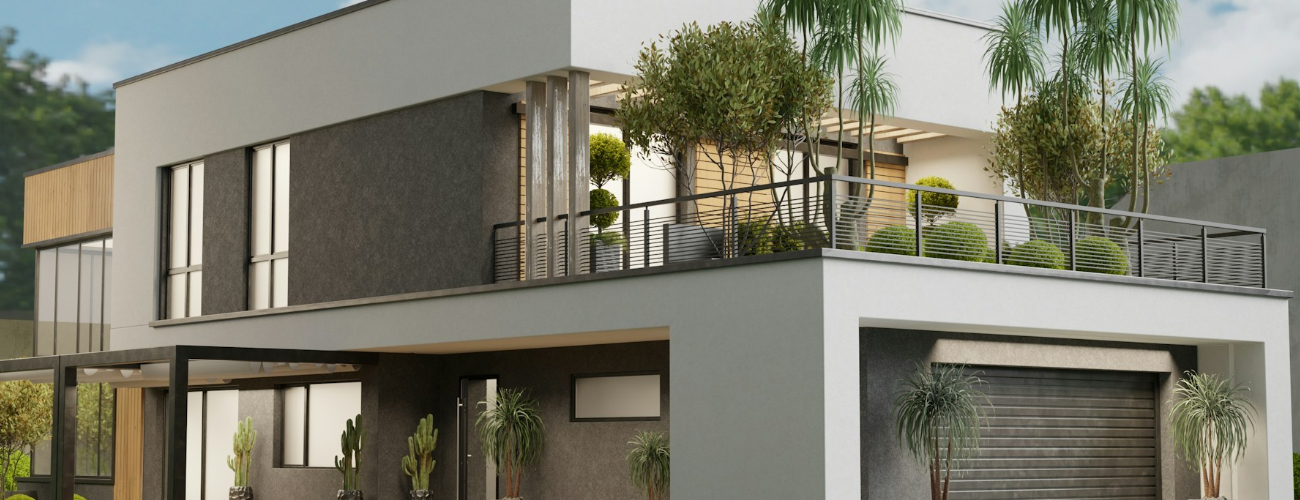
Stucco Design Trends for Modern Homes
Stucco has been used in architecture for centuries, admired for its durability, versatility, and timeless appeal. Traditionally seen on Mediterranean, Spanish, or Southwestern-style homes, stucco is making a strong comeback in modern design. With new application techniques, colors, and finishes, stucco now offers a sleek, contemporary look that complements today’s architecture. If you are planning a renovation or building a new home, here are the top stucco design trends shaping modern homes.
Smooth, Minimalist Finishes
One of the strongest trends in modern stucco design is the move toward smooth, clean surfaces. Instead of textured finishes, homeowners and designers are choosing sleek, flat applications that reflect light beautifully and highlight a home’s architecture. This minimalist approach pairs well with sharp lines, flat roofs, and geometric forms common in modern design.
Neutral and Monochromatic Color Palettes
White, beige, gray, and taupe remain the most popular colors for stucco in modern homes. These tones create a sophisticated backdrop that emphasizes architectural features without overwhelming them. Many homeowners are opting for monochromatic palettes, using subtle variations of one color to create depth and elegance. White stucco paired with black windows, for example, delivers a striking yet timeless look.
Dark and Bold Tones
While neutrals dominate, darker stucco shades are gaining attention. Charcoal gray, deep brown, and even black stucco add drama and modernity to a home’s exterior. These bold colors contrast beautifully with lighter trim, wood accents, or metal finishes, making the home stand out while still feeling refined.
Combining Stucco With Other Materials
Modern design often emphasizes mixed materials, and stucco pairs seamlessly with wood, stone, glass, and metal. For example, smooth white stucco combined with natural wood slats creates warmth and balance. Stucco next to steel or aluminum elements brings an industrial-modern aesthetic. This layered approach adds texture, interest, and individuality to the façade.
Sustainable and Eco-Friendly Stucco
Sustainability is becoming a priority in construction, and stucco fits perfectly into eco-conscious design. Many stucco products are now made with natural, environmentally friendly components and offer excellent insulation properties. Lime-based stucco, for instance, is breathable and long-lasting, reducing energy costs while supporting green building goals.
Interior Applications of Stucco
Stucco is no longer limited to exteriors. Designers are increasingly using it indoors as a finishing material for accent walls, fireplaces, or even ceilings. Smooth stucco finishes indoors provide a matte, plaster-like look that feels modern yet warm. Textured applications indoors add depth and interest without the need for paint or wallpaper.
Subtle Textures for Depth
While smooth stucco dominates, some homeowners still embrace light textures for added character. Subtle sand or lace finishes create depth without looking outdated. These textures work especially well in contemporary homes that want a hint of traditional charm blended with modern lines.
Integration With Modern Lighting
Lighting plays an important role in how stucco is perceived. Smooth or textured stucco surfaces look striking when highlighted with exterior wall lights or recessed uplighting. At night, lighting enhances shadows and depth, giving the home a dramatic, high-end appearance.
Low-Maintenance Finishes
Modern stucco formulations are designed to be more durable and easier to maintain. Acrylic-based stucco resists cracking and fading, keeping its fresh look longer. Homeowners are drawn to these improvements since they offer the timeless beauty of stucco with far less upkeep.
Accentuating Architectural Lines
In modern homes, stucco is often used to emphasize geometry. Vertical or horizontal stucco bands highlight architectural lines, creating rhythm and balance. Pairing stucco with large glass panels or minimalist landscaping further enhances this sleek, architectural aesthetic.
Conclusion
Stucco has evolved from a traditional exterior material into a design feature that perfectly suits modern architecture. From smooth finishes and neutral palettes to bold dark tones and mixed-material facades, stucco offers flexibility and timeless appeal. With sustainable options, indoor applications, and improved durability, it’s no surprise that stucco remains one of the top choices for homeowners and designers alike. By embracing these trends, you can give your home a fresh, modern edge while maintaining the lasting beauty stucco is known for.