

How to Highlight Architectural Features With Lighting
Lighting is one of the most powerful tools in design. While it provides essential functionality, it also shapes the mood, atmosphere, and overall aesthetic of a home. Beyond illuminating spaces, lighting can draw attention to architectural features, emphasizing the beauty of structures that might otherwise go unnoticed. Whether you want to showcase intricate moldings, textured walls, or dramatic ceilings, the right lighting techniques can transform your home into a visually stunning space.
Understand the Role of Accent Lighting
Accent lighting is designed to draw the eye to specific features. Unlike general or task lighting, it creates contrast by focusing brightness on one area while leaving others in softer light. Spotlights, track lights, and wall-mounted fixtures are common choices. The key is to use accent lighting strategically so architectural details stand out without overwhelming the entire room.
Highlight Ceilings and Beams
Ceilings are often overlooked, but lighting can make them a focal point. Recessed uplights installed along beams or coves emphasize depth and texture. Pendant lights hung strategically can draw attention to vaulted or coffered ceilings. For wooden beams, warm-toned lights enhance natural grain, while cool lights highlight modern, industrial finishes.
Use Wall Washing to Enhance Textures
Wall washing is a technique where light is cast evenly across a vertical surface, highlighting texture or material. Stone walls, exposed brick, and paneled surfaces become more pronounced under this type of illumination. Wall washers or directional ceiling lights create a soft, even glow that emphasizes surface details without creating harsh shadows.
Draw Attention to Fireplaces
Fireplaces are natural focal points in living areas, and lighting can enhance their impact. Downlights or sconces on either side frame the fireplace, while uplights at the base create dramatic shadows on stone or brickwork. For modern designs, LED strips integrated into mantels or hearths add subtle sophistication.
Showcase Staircases
Staircases combine functionality with design, making them excellent candidates for accent lighting. LED strips under treads or along handrails create a floating effect and improve safety. Spotlights aimed at sculptural staircases highlight their curves and craftsmanship, turning them into artistic features within the home.
Emphasize Nooks and Alcoves
Small niches, alcoves, or built-in shelves can fade into the background without proper lighting. Installing recessed spotlights or hidden LED strips inside these spaces highlights their shape and creates depth. This technique works especially well for displaying artwork, sculptures, or decorative objects.
Frame Windows and Doors
Architectural details such as arched windows or ornate door frames can be accentuated with perimeter lighting. Uplights placed on the floor emphasize the height of tall windows, while sconces installed near doorways add elegance and balance. Subtle illumination around frames draws attention to craftsmanship without appearing harsh.
Play With Outdoor Lighting
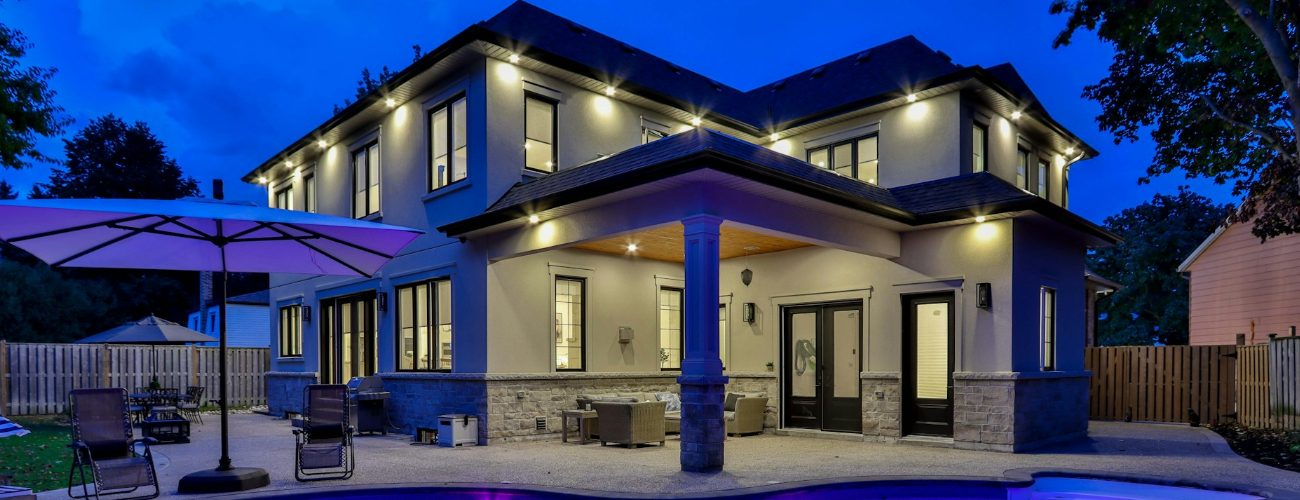
Architectural features extend beyond interiors. Outdoor lighting can showcase stone facades, columns, and landscaping elements. Uplights placed at the base of exterior walls highlight textures, while pathway lighting emphasizes symmetry in garden designs. For dramatic impact, consider illuminating water features or pergolas with warm ambient lighting.
Balance Light and Shadow
Effective feature lighting is about contrast. Too much brightness washes out details, while shadows add drama and depth. When highlighting features, always balance light intensity with surrounding areas. Dimmer switches allow you to adjust brightness based on mood, occasion, or time of day.
Choose the Right Color Temperature
Color temperature plays a crucial role in how architectural features are perceived. Warm light (2700K–3000K) creates a cozy, inviting atmosphere and highlights wood, stone, or traditional details. Cool light (3500K–5000K) emphasizes modern materials like glass, steel, and concrete. Using the right tone ensures that lighting enhances, rather than conflicts with, the design.
Conclusion
Lighting is more than a functional necessity—it is a design tool that can transform ordinary structures into works of art. By thoughtfully highlighting ceilings, walls, staircases, and other architectural elements, you can elevate the character of your home. The right combination of accent lighting, balance, and color temperature brings out the best in your space, ensuring that every detail is seen and appreciated.