

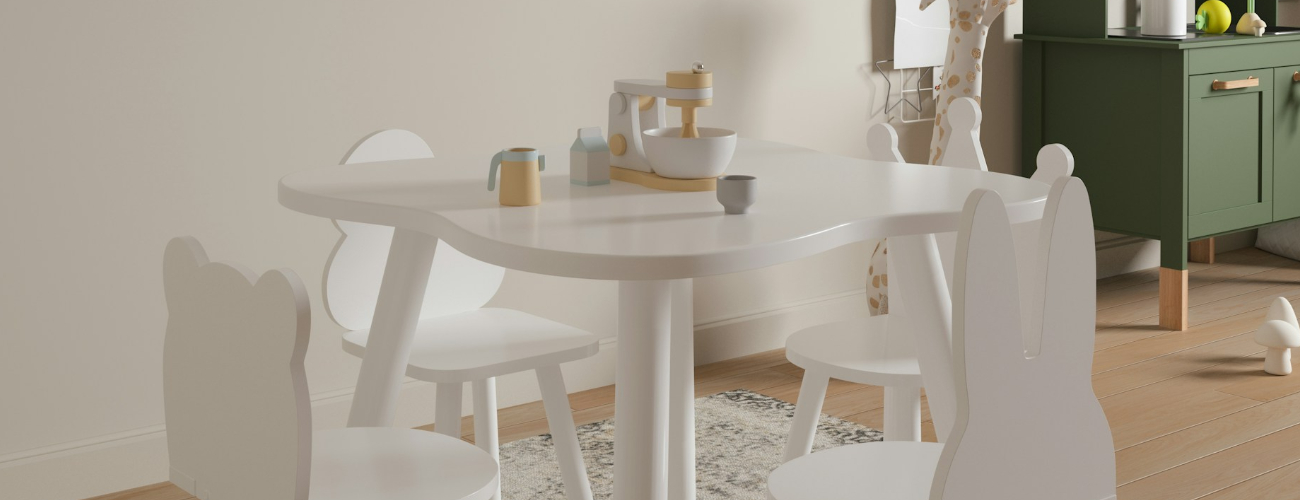
Safety First: Childproofing Tips for Renovating a Child’s Room
When it comes to renovating a child’s room, safety is paramount. A child’s environment should be both a sanctuary for rest and a safe place for exploration and play. This blog post will explore essential childproofing tips that ensure a child’s room is not only beautifully designed but also securely adapted to the needs of growing children. From selecting the right materials to installing safety fixtures, here’s everything you need to know to create a safe and inviting space for your child.
Choosing Non-Toxic Materials
Paint: Always opt for zero-VOC (Volatile Organic Compounds) paints. VOCs are solvents that get released into the air as the paint dries, which can be harmful when inhaled. Zero-VOC paints minimize the risk of respiratory problems and ensure better air quality in your child’s room.
Flooring: Consider using natural wood, cork, or bamboo flooring with a non-toxic sealant. Carpets can harbor allergens and dust mites, so if you prefer soft flooring, look for organic or natural fiber carpets with low VOC emissions.
Furniture: Select furniture made from solid wood with non-toxic finishes. Avoid pressed wood products, which often contain formaldehyde, a potent respiratory irritant and carcinogen.
Secure Furniture and Fixtures
Children are naturally curious and often pull or climb on furniture which can lead to tip-over accidents. Secure all furniture pieces, including dressers, bookshelves, and armoires, to the wall with furniture straps or anchors. Ensure that TVs and other heavy electronics are also securely mounted or anchored.
Safe Window Treatments
Opt for cordless window treatments to eliminate the risk of strangulation, a serious hazard associated with corded blinds and curtains. Cordless window coverings provide a safer alternative and are available in various styles that can enhance your design theme.
Electrical Safety
Cover all unused electrical outlets with plug covers to prevent curious toddlers from inserting objects into sockets. For outlets in use, especially those with plugged-in devices, consider a box cover that encloses the entire outlet and the cords, providing a neat and safe solution against electric shocks.
Soften Sharp Corners
Use corner protectors on furniture with sharp edges, such as bedside tables, desks, and chairs. These simple additions are crucial in preventing painful injuries if your child accidentally bumps into these surfaces.
Appropriate Lighting
Install sufficient lighting to ensure your child can safely navigate their room without tripping or bumping into objects. Consider nightlights that provide a soft glow to help your child feel secure during the night and during bedtime transitions.
Temperature and Ventilation
Maintain a comfortable and safe room temperature between 68-72 degrees Fahrenheit. Ensure adequate ventilation to keep the room fresh and to prevent the buildup of harmful pollutants. If the room has windows, make sure they have locks or guards to prevent them from being opened more than a few inches.
Toy Storage
Proper toy storage is essential not only for organization but for safety as well. Opt for storage units with soft-close lids to protect little fingers from getting pinched. Open shelves and bins are excellent for keeping toys accessible while avoiding clutter which can be a tripping hazard.
Create a Safe Play Area
Designate an area of the room for play, ideally away from hard surfaces and sharp corners. Use play mats or soft area rugs to cushion the floor, and keep this area free of small rugs and other trip hazards.
Regular Maintenance Checks
Periodically check the room for potential hazards. Make sure all furniture remains secure, scan for peeling paint or loose carpeting, and examine toys and other items for broken parts.
Conclusion
Renovating a child’s room with safety in mind does not mean sacrificing style. Today, many child-friendly materials and products beautifully blend safety with aesthetics. By following these childproofing tips, you can create a room that is both a safe haven and a delightful space for your child to grow and explore. Remember, the goal is to design a space that encourages creativity and fun, while ensuring peace of mind for you as a parent.