

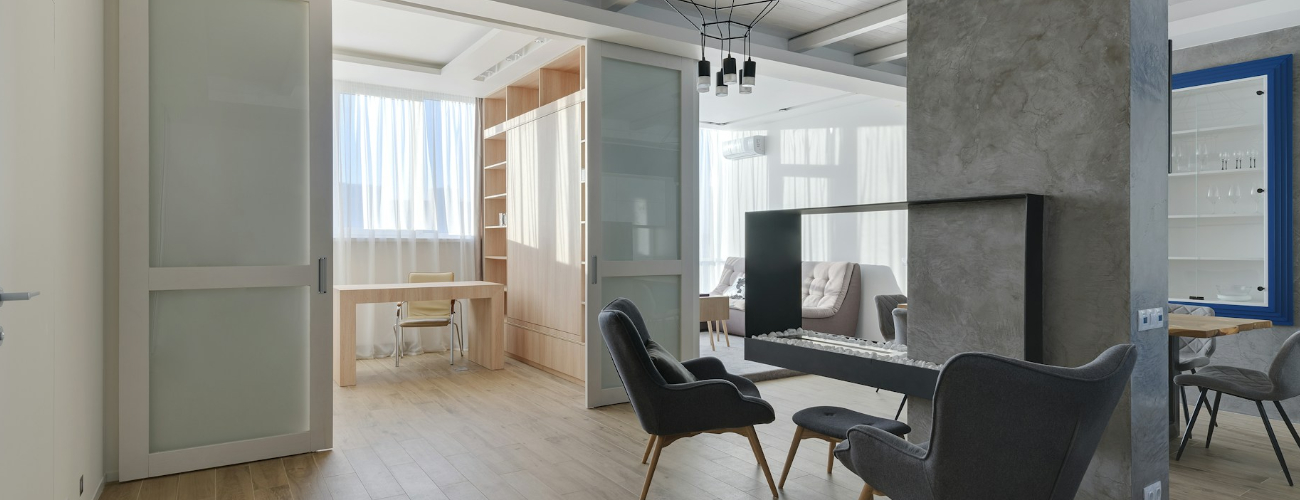
Pocket Doors for Space Optimization
In modern renovation projects, efficient use of space has become a primary design objective. As homes incorporate open layouts and multifunctional rooms, traditional swinging doors can feel intrusive and impractical. Pocket doors offer a refined solution by sliding neatly into the wall cavity, eliminating the need for clearance space. This simple yet strategic upgrade significantly improves layout flexibility and overall functionality.
How Pocket Doors Work
Unlike hinged doors that require floor area to swing open, pocket doors operate on a track system and retract into a concealed compartment within the wall. When fully open, the door becomes virtually invisible. When closed, it provides privacy and separation just like a conventional door.
The system typically includes a sliding track, rollers, and a framed cavity designed to house the door panel. During renovation, installation requires opening the wall to accommodate the pocket frame. While this involves structural planning, the long-term spatial benefits often justify the effort.
Maximizing Usable Floor Area
One of the primary advantages of pocket doors is space optimization. In smaller rooms such as bathrooms, laundry areas, closets, or home offices, eliminating door swing clearance can free up several square feet. This additional space can be allocated to cabinetry, shelving, or improved circulation.
In apartments or compact homes, pocket doors help create more efficient layouts without expanding square footage. They allow furniture placement closer to entryways and reduce awkward dead zones caused by swinging doors.
Enhancing Flexible Layouts
Pocket doors are particularly useful in open-concept designs where temporary separation is occasionally needed. For example, a dining room can be closed off for privacy during gatherings and reopened to maintain flow during everyday use.
They also work well in transitional spaces such as between bedrooms and en-suite bathrooms. When open, they create visual continuity; when closed, they ensure acoustic and visual privacy.
For larger openings, double pocket doors can be installed to create dramatic, wide transitions between rooms.
Design Versatility
Pocket doors are available in various materials and finishes. Solid wood panels provide warmth and sound insulation, while frosted glass doors allow light to pass through while maintaining privacy. Modern renovations often feature minimalist flush panels or framed glass designs to align with contemporary aesthetics.
Hardware choices also influence the final appearance. Recessed pulls maintain a streamlined look, while soft-close mechanisms improve usability and reduce wear.
Structural and Installation Considerations
Proper planning is essential when incorporating pocket doors. Walls containing plumbing, electrical wiring, or load-bearing elements may require adjustments before installation. Consulting with experienced contractors ensures that the wall cavity can safely accommodate the pocket frame.
Sound insulation is another factor to consider. Because pocket doors slide into hollow cavities, they may not offer the same acoustic separation as solid hinged doors. Selecting high-quality panels and ensuring tight seals can improve performance.
Maintenance and Longevity
Modern pocket door systems are durable when installed correctly. High-quality tracks and rollers provide smooth operation for years. Routine maintenance typically involves keeping the track clean and ensuring hardware remains aligned.
A Smart Upgrade for Modern Living
Pocket doors combine practicality with understated design. By eliminating the spatial limitations of traditional doors, they create cleaner layouts and improve daily functionality. In renovation projects where space efficiency is a priority, pocket doors offer a strategic solution that enhances both form and function.
When thoughtfully integrated, they provide flexibility, visual simplicity, and long-term usability—key qualities in contemporary interior design.