

Glass Finishes in Modern Interior Design
Glass has become one of the most versatile materials in modern interior design. Once used primarily for windows and mirrors, it now appears in partitions, cabinetry, stair railings, backsplashes, and decorative accents. Its ability to reflect light, enhance openness, and introduce refined texture makes it a valuable element in contemporary renovation projects. When thoughtfully selected, glass finishes elevate both functionality and aesthetics.
The Appeal of Glass in Contemporary Spaces
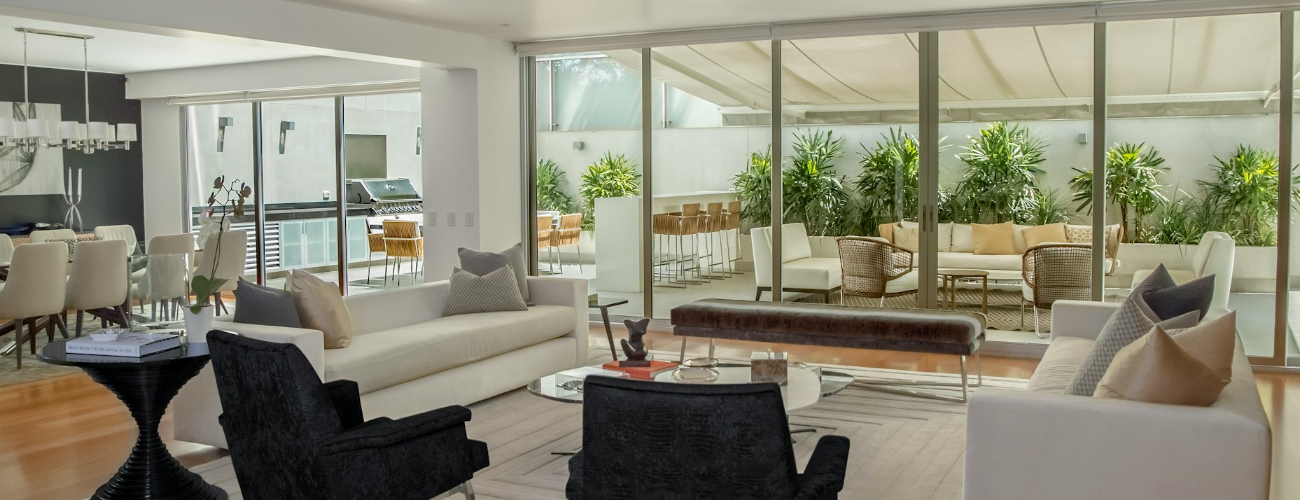
One of the primary advantages of glass is its ability to visually expand a room. Transparent surfaces allow light to travel freely, reducing the sense of confinement in smaller spaces. In open-concept layouts, glass partitions can define zones without blocking sightlines, preserving a sense of continuity.
Glass also complements minimalist and modern design styles. Its smooth surface, clean lines, and neutral appearance pair well with materials such as metal, wood, and stone. Depending on the finish, glass can feel sleek and understated or bold and expressive.
Popular Types of Glass Finishes
Clear glass remains the most recognizable option. It is commonly used for shower enclosures, cabinet doors, and stair balustrades. While it maintains transparency, it requires consistent cleaning to preserve its polished appearance.
Frosted glass offers a softer alternative. By diffusing light, it provides privacy without eliminating brightness. Frosted panels are frequently installed in bathrooms, home offices, and sliding partitions where separation is needed without creating darkness.
Tinted glass introduces subtle color variation. Gray, bronze, or smoked tones add depth and sophistication while reducing glare. This finish works well in cabinetry, tabletops, and decorative wall features.
Textured or patterned glass adds visual interest through embossed designs or rippled surfaces. It can serve as a focal element in feature walls or room dividers. Because it obscures direct visibility, it also enhances privacy.
Back-painted glass is increasingly popular for kitchen backsplashes and wall panels. The painted surface is applied to the rear side, creating a smooth, glossy finish that is easy to clean and resistant to stains.
Functional Benefits Beyond Aesthetics
Glass is not only decorative but also practical. Tempered glass, commonly used in interiors, is significantly stronger than standard glass and shatters into small, less dangerous fragments if broken. Laminated glass provides additional safety by holding shards together.
In kitchens and bathrooms, glass surfaces are non-porous and resistant to moisture, making them hygienic and easy to maintain. Compared to some traditional materials, glass backsplashes or wall panels can simplify cleaning routines.
Acoustic laminated glass can also improve sound control, which is particularly useful in open-plan homes or offices.
Integrating Glass into Renovation Projects
When incorporating glass finishes, balance is essential. Excessive use may create an overly cold or reflective environment. Pairing glass with warmer materials such as wood or matte finishes ensures visual harmony.
Lighting plays a crucial role as well. Glass interacts with both natural and artificial light, amplifying brightness and creating subtle reflections. Planning lighting placement in conjunction with glass installations enhances the final effect.
Proper installation is equally important. Secure fittings, high-quality hardware, and professional measurements ensure safety and durability.
A Refined and Versatile Design Choice
Glass finishes continue to shape modern interior design because they combine elegance, practicality, and adaptability. From subtle frosted panels to bold back-painted surfaces, glass offers a wide range of possibilities for homeowners seeking contemporary upgrades.
By carefully selecting finishes and integrating them thoughtfully into renovation plans, glass becomes more than a decorative element—it transforms the spatial experience while maintaining functionality and refinement.