

Painting vs. Staining: Which Finish Is Right for Your Deck?
Your deck is one of the most inviting areas of your home — a place for barbecues, morning coffee, and relaxing evenings outdoors. But to keep it beautiful and durable, the surface needs protection from weather, sunlight, and daily use. Choosing between painting and staining is one of the most important decisions in deck maintenance. Both finishes can transform the appearance of wood and extend its lifespan, but they differ in look, longevity, and upkeep. Understanding the pros and cons of each will help you decide which option best fits your home and lifestyle.
The Look: Color and Style
Painting and staining create very different visual results. Paint forms a solid, opaque layer that completely covers the natural grain of the wood. It allows you to choose from an endless range of colors, helping your deck coordinate with your home’s exterior. For homeowners aiming for a polished or modern aesthetic, paint offers flexibility and bold design possibilities.
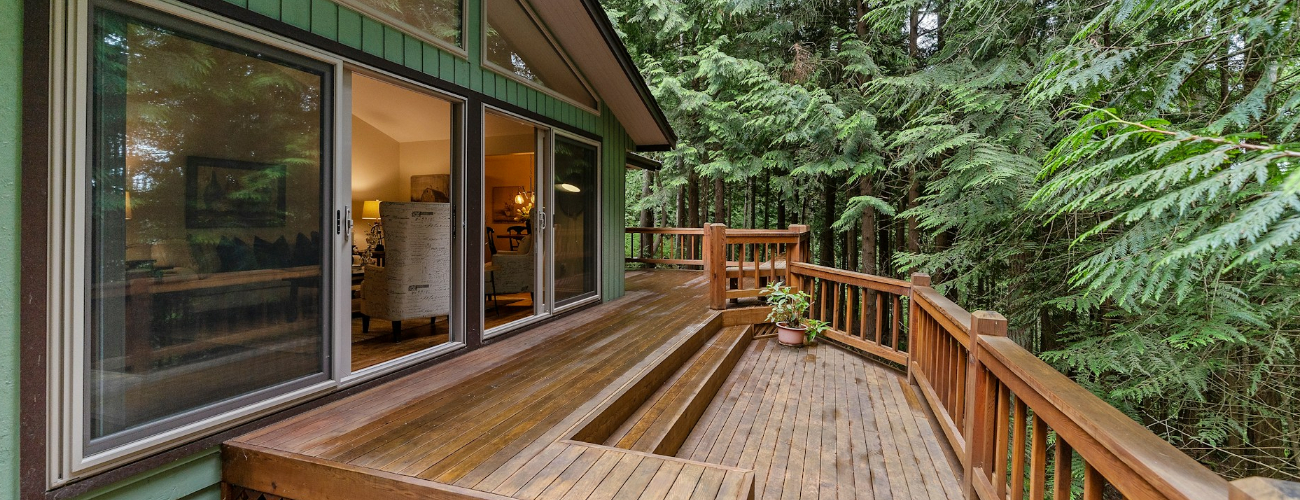
Stain, on the other hand, enhances rather than hides the natural texture of the wood. Transparent or semi-transparent stains let the grain show through, giving a more organic, rustic appearance. Staining is ideal for those who want to celebrate the beauty of natural materials while adding subtle tone and warmth. Whether you prefer a golden cedar hue or a rich mahogany finish, stains bring out the character of the wood rather than concealing it.
Protection and Durability
Both finishes protect the deck from moisture, UV rays, and temperature changes — but in different ways. Paint sits on top of the wood, forming a thick, sealed layer that resists water and sunlight. It generally lasts longer than stain and offers excellent protection against rot and fading. However, paint can peel or chip over time, especially in high-traffic areas, requiring occasional touch-ups.
Stain penetrates the wood rather than sitting on the surface. This allows it to expand and contract naturally with changes in humidity and temperature, making it less prone to cracking or flaking. However, stains provide a thinner barrier and may need to be reapplied more often — typically every two to three years, depending on exposure and quality.
Maintenance and Application
When it comes to upkeep, stain is often easier to maintain. Since it doesn’t peel, you can reapply a fresh coat without stripping the surface entirely. Simply clean the deck, sand lightly if needed, and restain. This simplicity makes it a popular choice for homeowners who prefer a more natural, low-maintenance finish.
Painted decks require more preparation when it’s time to refinish. Peeling or bubbling areas must be scraped, sanded, and primed before repainting. While the initial application of paint may last longer, the maintenance process can be more labor-intensive when wear eventually appears.
Slip Resistance and Comfort
Because paint forms a solid film, it can sometimes become slippery when wet — especially glossy finishes. Specialized non-slip deck paints are available, but they require careful application. Stain tends to provide better traction, as it soaks into the wood’s surface and preserves its natural texture. In addition, stain doesn’t trap heat as much as dark-colored paint, making it more comfortable to walk on barefoot during hot summer days.
Environmental Considerations
If you’re concerned about sustainability, water-based stains are often more eco-friendly than traditional oil-based paints. Many modern stains contain fewer volatile organic compounds (VOCs), making them safer for both the environment and your household. Always check the label for low-VOC or natural formulas, regardless of which finish you choose.
Choosing the Right Option for Your Deck
Your decision ultimately depends on your priorities. Choose paint if you want bold color choices, a smooth modern appearance, and long-term durability. Opt for stain if you value natural beauty, easier maintenance, and a more organic connection to your outdoor surroundings.
Some homeowners even combine both — for example, staining the deck floor while painting the railings or trim. This hybrid approach adds visual contrast and highlights architectural details.
Whether you paint or stain, proper preparation is key: clean the surface thoroughly, repair any damage, and allow the wood to dry before applying the finish. With the right product and technique, your deck can stay protected and stylish for years to come.