

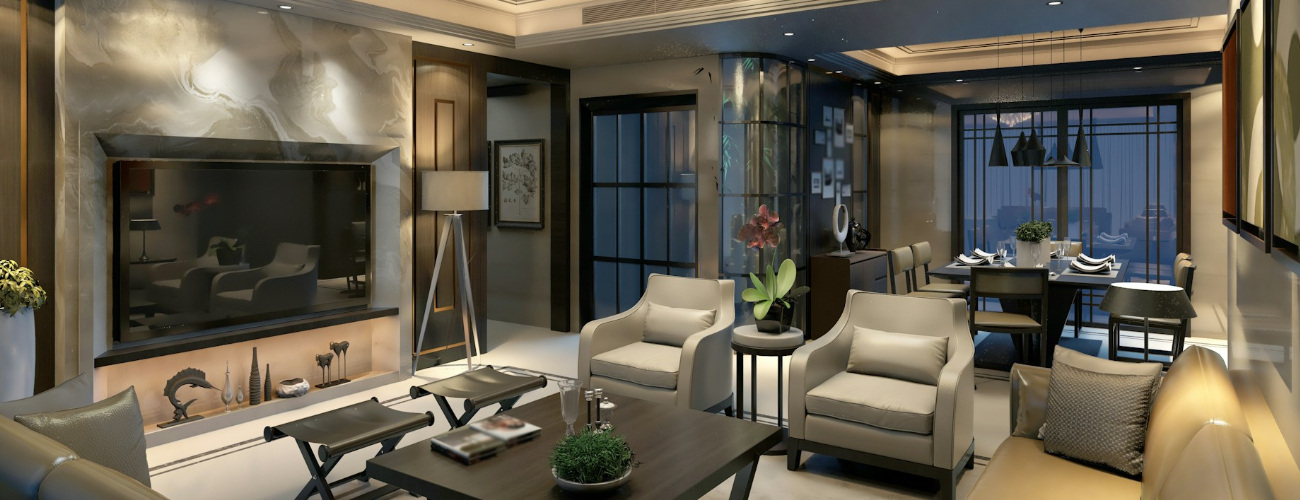
How to Create a Layered Lighting Plan for Your Home
Lighting is more than a functional necessity — it’s one of the most powerful design tools for shaping atmosphere, mood, and style. A well-planned lighting design can make a small room feel spacious, highlight architectural features, and create a warm, inviting environment. The key lies in layered lighting, a strategic approach that combines different types of illumination to achieve both beauty and practicality. Understanding how to layer light properly will help you transform your home into a comfortable and visually balanced space.
The Three Layers of Lighting
A successful lighting plan is built on three main layers: ambient, task, and accent lighting. Each serves a unique purpose, and together they create depth, flexibility, and harmony in any room.
Ambient Lighting — The Foundation of Illumination
Ambient lighting is the primary source of light in a room, providing general brightness and visibility. It sets the overall tone and ensures even illumination throughout the space. Common sources include ceiling-mounted fixtures, chandeliers, recessed lights, or wall-mounted sconces. In open-concept homes, ambient lighting helps define zones while maintaining visual flow between areas. To avoid harsh glare, use diffused or dimmable fixtures that provide gentle, balanced light suitable for everyday use.
Task Lighting — Focused and Functional
Task lighting targets specific areas where clarity and concentration are needed. This layer is essential for activities such as cooking, reading, or grooming. In kitchens, under-cabinet lighting brightens countertops without casting shadows. Desk lamps, vanity lights, and bedside sconces are also examples of effective task lighting. The goal is to reduce eye strain while maintaining comfort. Ideally, task lights should be adjustable in intensity and direction, allowing you to adapt them to your needs throughout the day.
Accent Lighting — The Artistic Touch
Accent lighting adds drama and dimension by drawing attention to design elements like artwork, architectural details, or textured walls. Track lights, picture lights, and LED strip lighting can create focal points that enhance a room’s personality. For example, a soft uplight on a coffered ceiling or a spotlight on a decorative niche can instantly elevate your home’s sophistication. The best accent lighting contrasts subtly with ambient illumination, highlighting without overpowering.
Balancing the Layers
The secret to successful layered lighting is balance. No single type of light should dominate the space. Instead, each layer should complement the others, offering both versatility and visual interest. Start with ambient lighting as your base, then add task lights to enhance functionality and accent lights to enrich depth. Using dimmers and smart lighting systems can help you fine-tune brightness and color temperature for different times of day or activities.
Choosing the Right Fixtures and Placement
Fixture selection plays a crucial role in achieving harmony. Consider the size and proportions of each room before choosing ceiling heights, pendant lengths, or lamp sizes. For open spaces, combine recessed lighting with statement pieces like chandeliers or pendant clusters to maintain both elegance and functionality. In smaller rooms, wall sconces and compact LED fixtures provide sufficient illumination without crowding the space.
Placement also determines how effective your lighting plan will be. Layered lighting works best when light sources are distributed at different heights — overhead fixtures for general lighting, mid-level lamps for tasks, and low-level accent lighting to add warmth. This variation creates visual texture and avoids flat or overly uniform illumination.
The Role of Color Temperature and Dimming
Light color affects how we perceive a room’s mood and finishes. Warm light (2700–3000K) creates a cozy, intimate feel, perfect for bedrooms and living areas. Cooler light (4000–5000K) enhances alertness and suits workspaces like kitchens or offices. For versatility, choose adjustable white lighting systems that let you shift between tones throughout the day.
Dimming capabilities are another essential feature in layered lighting. They allow you to adjust brightness according to time, activity, or mood — soft and low for relaxation, bright and clear for productivity. Modern smart lighting controls even enable you to program presets for movie nights, dinner parties, or quiet evenings at home.
Adding Personality Through Lighting Design
Lighting also expresses style and individuality. A layered plan gives you freedom to mix materials, finishes, and shapes — from sleek modern track lights to vintage brass sconces or sculptural pendants. Decorative lighting, though secondary in function, contributes greatly to ambiance. Don’t be afraid to make a statement with one standout fixture as a visual centerpiece.
Conclusion
Creating a layered lighting plan is about more than visibility — it’s about atmosphere, comfort, and design harmony. By thoughtfully combining ambient, task, and accent lighting, you can adapt your home’s mood to every occasion while highlighting its best features. A well-balanced lighting scheme turns a house into a dynamic, livable environment that feels warm, functional, and beautifully illuminated at every hour of the day.