

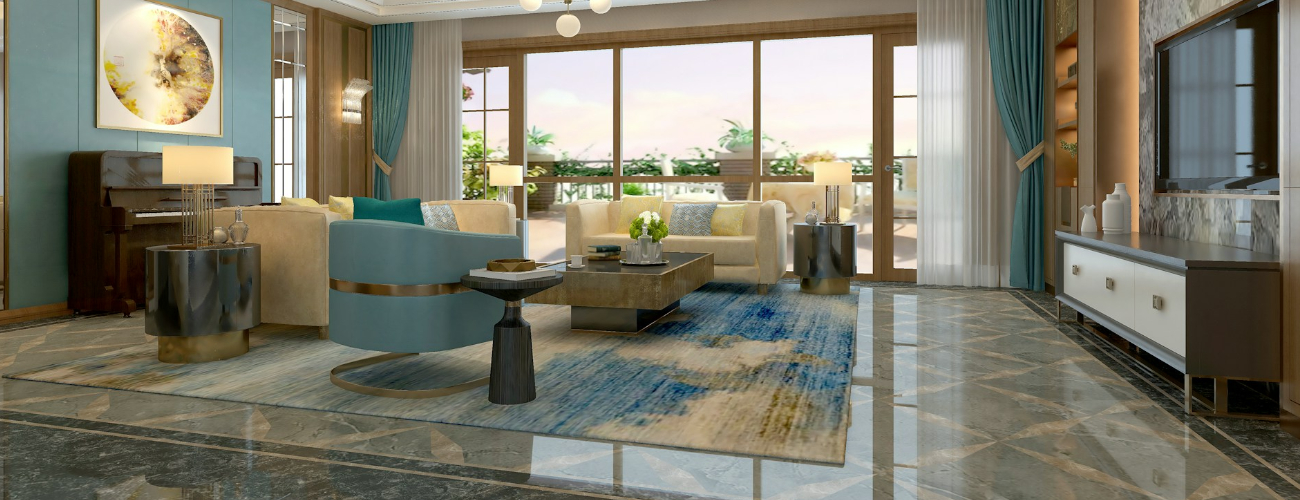
Matte vs. Glossy Finishes: Pros and Cons
Choosing between matte and glossy finishes is a key decision in interior design and renovation. The finish of walls, cabinetry, furniture, and fixtures directly affects how a space looks, feels, and performs over time. Both matte and glossy finishes offer distinct advantages and drawbacks, and understanding their differences helps homeowners make informed choices that align with function and style.
Understanding Finish Types
Matte finishes have a soft, non-reflective appearance that absorbs light rather than reflecting it. Glossy finishes, on the other hand, have a smooth, reflective surface that enhances brightness and highlights details. The level of sheen influences durability, maintenance, and the overall visual impact of a room.
Advantages of Matte Finishes
Matte finishes are valued for their subtle and sophisticated look. They create a calm, modern aesthetic and are especially popular in contemporary and minimalist interiors. Matte surfaces effectively hide minor imperfections on walls or cabinetry, making them ideal for older homes or uneven surfaces. They also reduce glare, which contributes to a softer and more comfortable visual experience.
Another advantage of matte finishes is their ability to provide depth and richness to colors. Dark or muted tones often appear more refined when finished in matte, enhancing the overall atmosphere of the space.
Drawbacks of Matte Finishes
While visually appealing, matte finishes can be less durable in high-traffic areas. They are more prone to scuffs, stains, and marks, particularly on walls or frequently touched surfaces. Cleaning matte finishes can be challenging, as aggressive scrubbing may alter the surface texture or leave visible marks. For areas exposed to moisture or heavy use, matte finishes may require more careful maintenance.
Advantages of Glossy Finishes
Glossy finishes are known for their durability and ease of maintenance. Their smooth, sealed surfaces resist moisture, stains, and fingerprints, making them well suited for kitchens, bathrooms, and trim work. Glossy finishes reflect light, which can make smaller or darker spaces feel brighter and more open.
In addition, glossy surfaces highlight architectural details and create a polished, high-end appearance. They are often used on cabinetry, doors, and moldings to add contrast and visual interest.
Drawbacks of Glossy Finishes
Despite their durability, glossy finishes have limitations. Their reflective nature makes imperfections more noticeable, requiring careful surface preparation before application. Scratches, dents, and uneven areas can stand out under bright light. Glossy finishes may also produce glare, which can feel overwhelming in large or brightly lit spaces if overused.
Choosing the Right Finish for Each Space
The best finish depends on the function of the room and the desired aesthetic. Matte finishes work well in bedrooms, living rooms, and ceilings where softness and comfort are priorities. Glossy finishes are better suited for kitchens, bathrooms, hallways, and trim where durability and ease of cleaning are essential. Many designers combine both finishes to achieve balance and contrast within a space.
Long-Term Performance and Style
Considering long-term performance is essential when selecting finishes. While matte finishes offer elegance and subtlety, glossy finishes provide resilience and practicality. Matching the finish to the specific demands of each surface ensures lasting satisfaction and visual harmony.
Conclusion
Matte and glossy finishes each bring unique benefits and challenges to interior design. Matte finishes offer understated elegance and visual softness, while glossy finishes deliver durability and brightness. By understanding their pros and cons and applying them strategically, homeowners can create spaces that are both beautiful and functional, tailored to their lifestyle and design goals.