

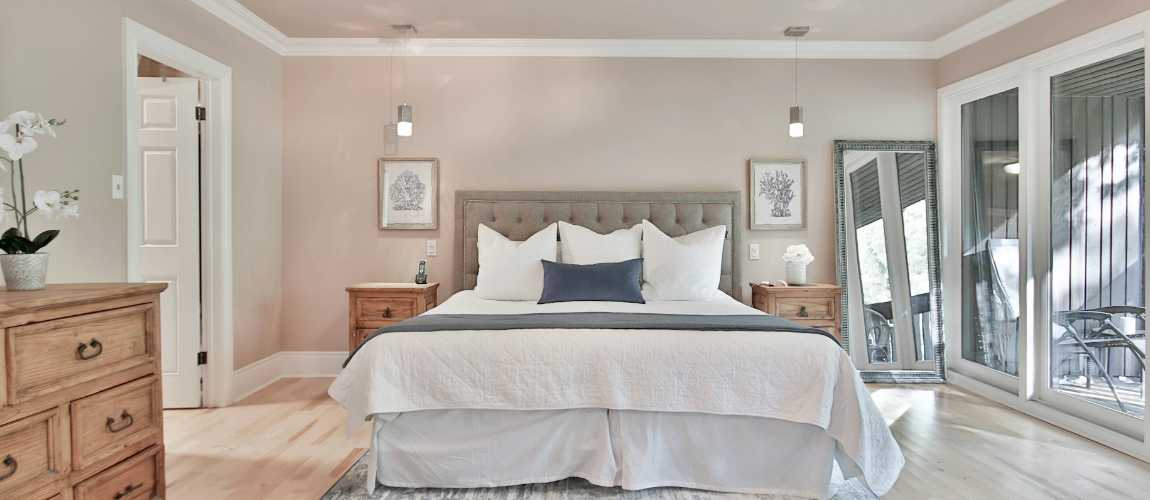
Master Bedroom vs. Guest Bedroom Styling: Key Differences
Bedrooms may serve the same basic purpose, but the way they are styled depends heavily on who uses them and how often. A master bedroom and a guest bedroom have very different roles within a home, and these roles influence design decisions, furniture choices, color palettes, and overall atmosphere. Understanding the key differences between master bedroom and guest bedroom styling helps create spaces that are both functional and visually appropriate.
Purpose and Daily Use
The master bedroom is a highly personal space used every day. It functions as a place for rest, privacy, and routine, often accommodating storage, relaxation, and sometimes even work or seating areas. Because of its daily use, comfort and personalization are top priorities.
A guest bedroom, by contrast, is used occasionally and must accommodate a wide range of visitors. Its purpose is to provide comfort and convenience without reflecting any single personality too strongly. This difference in use sets the foundation for all styling decisions.
Personalization vs. Neutral Appeal
Master bedrooms are typically styled to reflect the homeowner’s tastes and lifestyle. Personal artwork, favorite colors, textured fabrics, and meaningful decor pieces are common. These elements help create a sense of ownership and emotional comfort.
Guest bedrooms benefit from a more neutral and universally appealing design. Soft color palettes, minimal decor, and understated patterns help guests feel comfortable without feeling like they are intruding on someone else’s personal space. Neutral styling also ensures the room feels calm and adaptable.
Furniture Selection and Layout
Furniture in a master bedroom is often more substantial and customized. Larger beds, nightstands with ample storage, dressers, seating areas, and sometimes vanities are common. Layouts are designed for long-term use, prioritizing ease of movement and daily functionality.
Guest bedroom furniture is usually simpler and more space-conscious. A comfortable bed, bedside table, and modest storage are typically sufficient. Multi-functional furniture, such as beds with drawers or compact dressers, helps keep the room flexible and uncluttered.
Storage and Closet Considerations
Storage needs differ significantly between these two spaces. Master bedrooms require generous closet space, built-in cabinetry, and concealed storage to accommodate everyday clothing and personal items. Efficient organization is essential to maintain a calm environment.
Guest bedrooms require limited storage, often just a small closet or dresser. Leaving some space empty allows guests to unpack comfortably and keeps the room feeling open rather than crowded.
Color Palettes and Materials
Master bedrooms allow for richer materials and more layered color schemes. Deep tones, textured wall finishes, upholstered headboards, and layered bedding contribute to a cozy, retreat-like atmosphere.
Guest bedrooms typically rely on lighter, simpler palettes. Whites, soft grays, beiges, and muted tones create a fresh and inviting look. Durable, easy-to-maintain materials are preferred to ensure the room stays presentable with minimal upkeep.
Lighting and Atmosphere
Lighting in a master bedroom is often layered and adjustable. Ambient lighting, bedside lamps, and accent lighting work together to support different moods and routines, from relaxation to reading.
Guest bedroom lighting should be intuitive and comfortable. Clear bedside lighting, simple controls, and sufficient ambient light ensure guests can easily navigate and relax in the space without confusion.
Styling That Matches Function
The key difference between master and guest bedroom styling lies in intent. Master bedrooms are deeply personal and tailored for everyday living, while guest bedrooms prioritize comfort, simplicity, and universal appeal. By aligning design choices with how each room is used, both spaces can feel intentional, welcoming, and well-integrated into the overall home design.