

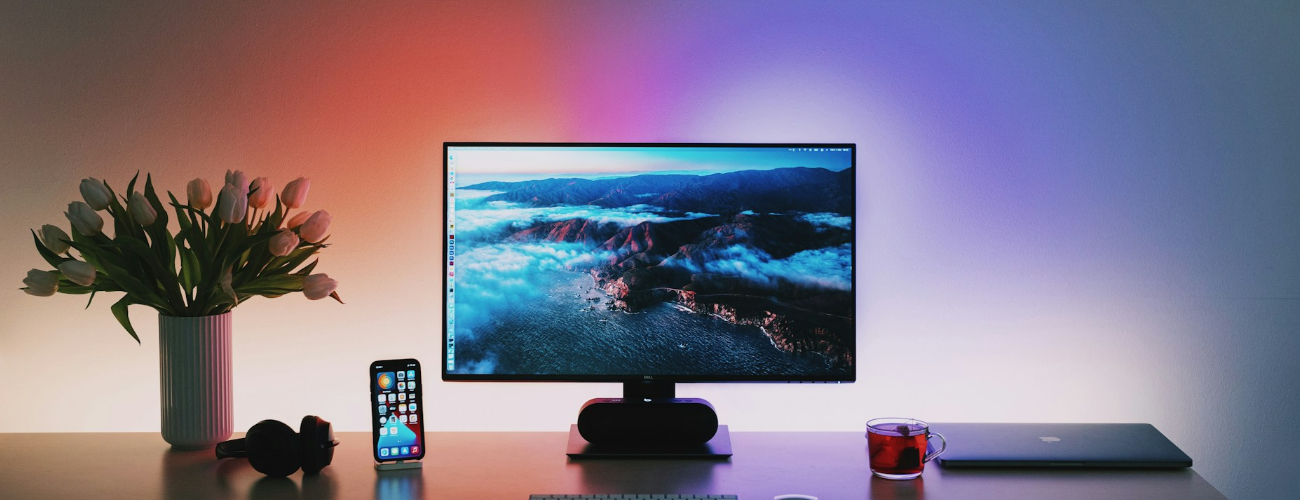
Lighting Design for Home Offices
The growth of remote and hybrid work has transformed the home office from a temporary setup into a permanent and carefully designed workspace. Among all design considerations, lighting plays one of the most critical roles. Proper lighting in a home office directly affects productivity, visual comfort, mood, and even long-term health. Thoughtful lighting design ensures that the space supports focus while maintaining a comfortable and balanced atmosphere.
The Importance of Layered Lighting
Effective home office lighting begins with a layered approach. Relying solely on a single overhead fixture often results in uneven illumination and harsh shadows. Instead, combining ambient, task, and accent lighting creates a more functional and visually comfortable environment.
Ambient lighting provides overall illumination. Recessed ceiling lights, flush-mounted fixtures, or indirect LED systems distribute light evenly across the room. This base layer prevents excessive contrast between bright and dark areas.
Task lighting is essential at the desk level. A well-positioned desk lamp with adjustable brightness helps reduce eye strain during computer use, reading, or paperwork. Ideally, task lighting should be directed without creating glare on screens or reflective surfaces.
Accent lighting can add subtle depth and visual interest. Wall sconces, bookshelf lighting, or small LED strips can highlight architectural elements while maintaining a professional atmosphere.
Managing Natural Light
Natural light is one of the most valuable assets in a home office. Positioning the desk near a window can improve mood and reduce reliance on artificial lighting during daytime hours. However, direct sunlight may create glare on computer screens, which can be distracting and uncomfortable.
To manage this, adjustable window treatments such as blinds or sheer curtains allow control over brightness levels throughout the day. The goal is to maximize daylight without compromising screen visibility.
When planning renovations, enlarging window openings or incorporating glass doors can significantly enhance the workspace environment. Even modest improvements in natural light distribution can transform how the office feels and functions.
Choosing the Right Color Temperature
Color temperature directly influences concentration and comfort. Neutral white light, typically around 3500–4000K, is often ideal for home offices. It provides clarity without the harshness of very cool lighting. Warm lighting, while comfortable in living areas, may feel too relaxed for focused tasks.
Consistency within the room is important. Mixing drastically different light temperatures can create visual imbalance and discomfort. Coordinating bulbs and fixtures ensures a cohesive and professional atmosphere.
Reducing Eye Strain and Glare
Modern home offices frequently involve extended screen time. To minimize eye fatigue, lighting should be positioned to avoid reflections on monitors. Light sources placed directly behind the user or aimed at the screen can cause glare.
Indirect lighting, such as wall-mounted fixtures or upward-facing lamps, softens brightness while maintaining adequate illumination. Additionally, dimmable systems allow users to adjust intensity depending on time of day and workload.
Proper lighting also improves posture. When the workspace is adequately illuminated, users are less likely to lean forward or strain to see details.
Energy Efficiency and Smart Controls
LED technology is now standard in most renovation projects due to its efficiency and longevity. In home offices, dimmable LEDs provide flexibility for different tasks, from video calls to detailed reading.
Smart lighting systems offer additional benefits. Automated schedules, motion sensors, and brightness adjustments can optimize energy use while supporting daily routines. These systems integrate seamlessly into modern interiors without adding visual clutter.
A Balanced and Productive Environment
Lighting design for home offices is both practical and strategic. It influences how effectively the space supports concentration, communication, and comfort. By combining layered illumination, proper color temperature, glare control, and energy-efficient technology, homeowners can create a workspace that feels professional yet comfortable.
In renovation projects, investing in a comprehensive lighting plan for the home office ensures that the space not only looks refined but also functions at a high level every day.