

Choosing the Right Staircase for Attic Access
When converting an attic into a functional living space, selecting the appropriate staircase is one of the most important design decisions. A staircase is not only a means of access but also a structural element that affects safety, layout efficiency, and overall aesthetics. Choosing the right option requires balancing building regulations, available space, and design goals.
Understanding Building Code Requirements
Before exploring design styles, it is essential to consider local building codes. Permanent attic conversions typically require a code-compliant staircase rather than a retractable ladder. Regulations often specify minimum tread depth, riser height, headroom clearance, and handrail placement.
Ensuring compliance at the planning stage prevents costly revisions later. Professional consultation is especially important if the attic will function as a bedroom or guest suite, as safety standards become stricter.
Straight Staircases: Practical and Efficient
Straight staircases are among the most common solutions for attic access. They are straightforward to construct and provide comfortable, predictable movement between floors.
This option works well when there is sufficient linear wall space. Straight stairs also allow easier furniture transport and better safety compared to compact alternatives. However, they require more floor area than other configurations, which may limit placement flexibility.
L-Shaped and U-Shaped Staircases
When space is limited, L-shaped or U-shaped staircases offer practical alternatives. By incorporating landings and turns, these designs reduce the overall footprint while maintaining comfortable proportions.
Landings provide resting points and improve safety. They also create visual interest and can integrate more seamlessly into existing floor plans. These configurations are particularly useful when attic access must fit within a confined corner.
Spiral and Alternating Tread Staircases
For compact renovations where floor space is minimal, spiral staircases may be considered. Their circular footprint conserves area and adds a contemporary design feature. However, spiral stairs can be less convenient for daily use and may not meet code requirements for primary access in all regions.
Alternating tread staircases, sometimes referred to as space-saver stairs, are another compact option. These designs feature staggered treads to reduce steepness while occupying less space. While functional, they are typically suitable for occasional access rather than regular daily traffic.
Materials and Aesthetic Integration
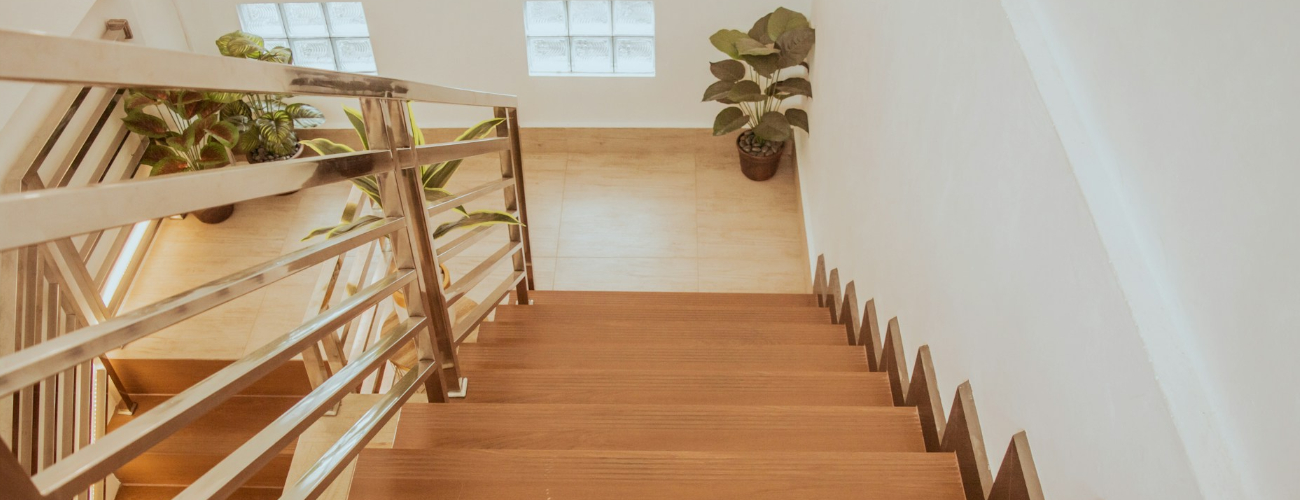
The staircase should complement the overall design of the home. Wood stairs introduce warmth and traditional appeal, while steel or glass elements create a modern look. Combining materials—such as wood treads with metal railings—can provide balance.
Lighting is another key consideration. Recessed step lighting or wall-mounted fixtures enhance safety and create visual depth. Proper illumination is especially important in attic conversions where ceiling heights may vary.
Structural and Spatial Planning
Attic staircases often require structural modifications. Cutting into existing floors and reinforcing framing must be handled carefully to maintain integrity. Additionally, headroom clearance at the top of the staircase should be evaluated to prevent uncomfortable transitions.
Early planning ensures that the staircase location does not disrupt essential living areas below. Integrating the stair into a hallway or underutilized space can minimize impact on the main floor layout.
A Strategic Investment in Functionality
Choosing the right staircase for attic access is both a functional and design-driven decision. Safety, comfort, and compliance must align with spatial constraints and aesthetic goals.
When carefully selected and professionally installed, a well-designed staircase transforms attic access from a secondary feature into an integral part of the home’s architecture, supporting both usability and long-term value.