

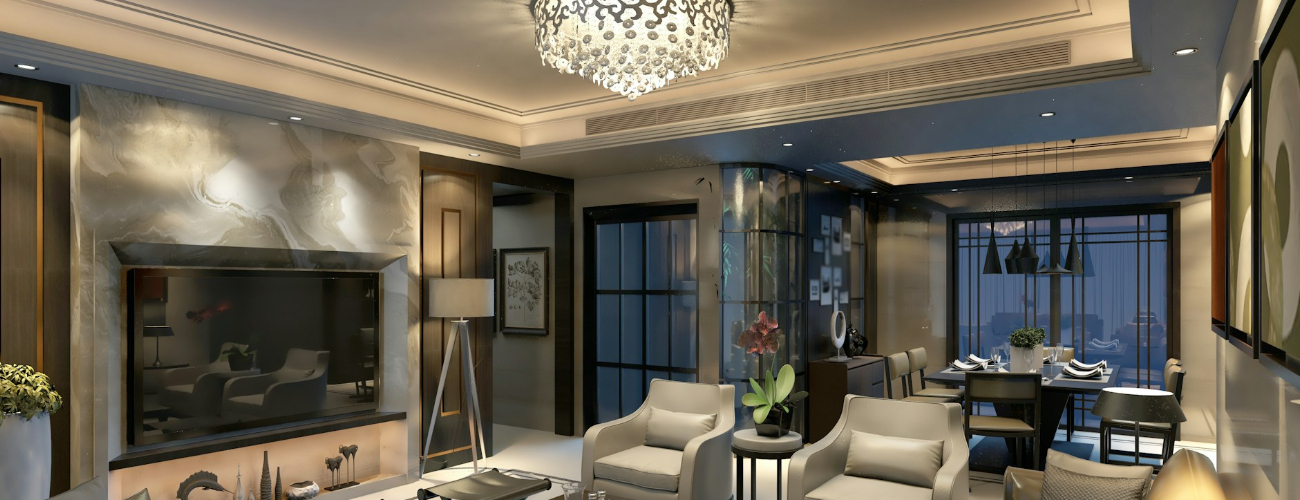
Layering Light in Living Rooms
The living room is one of the most versatile areas in any home. It serves as a space for relaxation, social gatherings, entertainment, and sometimes even work. Because of these varied functions, lighting design must be adaptable and thoughtfully structured. Layering light in living rooms allows homeowners to create balance, depth, and flexibility while enhancing the overall design of the space.
Understanding the Concept of Layered Lighting
Layered lighting involves combining three primary types of illumination: ambient, task, and accent lighting. Each layer serves a distinct purpose, and together they create a cohesive and dynamic environment.
Ambient lighting forms the foundation. This is the general illumination that ensures the room is comfortably lit. It often comes from ceiling fixtures, recessed lighting, or indirect LED systems. Proper ambient lighting eliminates dark corners and establishes overall visibility.
Task lighting is more focused. In living rooms, this may include floor lamps beside reading chairs, table lamps on side tables, or adjustable fixtures near work areas. Task lighting supports specific activities such as reading, knitting, or working on a laptop.
Accent lighting adds depth and character. It highlights architectural features, artwork, textured walls, or shelving. Without accent lighting, a living room can appear flat. With it, the space gains dimension and visual interest.
Creating Balance and Proportion
Effective layering requires careful attention to proportion. Too much overhead lighting can make the room feel sterile and overly bright. Too little general lighting may result in shadows and uneven illumination. The goal is balance.
Recessed ceiling lights are often used for subtle ambient coverage. However, they should be spaced thoughtfully to avoid harsh spots of brightness. Complementing them with wall sconces or indirect cove lighting softens the overall effect.
Furniture placement should also influence lighting decisions. Seating areas benefit from localized light sources, while open floor space may require broader illumination.
The Role of Dimmers and Flexibility
Living rooms serve multiple purposes throughout the day. Bright lighting may be needed for cleaning or hosting gatherings, while softer lighting is preferable for evening relaxation. Installing dimmer switches allows seamless transitions between these moods.
Smart lighting systems further enhance flexibility. Programmable scenes can adjust multiple fixtures simultaneously, adapting the space for different activities. This approach not only improves comfort but also increases energy efficiency.
Choosing the Right Fixtures
The selection of fixtures contributes significantly to the room’s aesthetic. A statement chandelier or pendant can anchor the ceiling visually, while minimalist recessed lights maintain a more understated look. Floor and table lamps introduce both function and decorative value.
Material and finish choices should complement the overall design style. Matte black, brushed brass, or soft metallic finishes can reinforce contemporary or transitional interiors. The scale of fixtures must also align with ceiling height and room size to maintain harmony.
Incorporating Natural Light
Natural light remains an essential component of layered design. Large windows, sliding doors, or skylights enhance daytime brightness and reduce reliance on artificial sources. Window treatments such as sheer curtains or adjustable blinds help regulate glare while preserving openness.
In renovation projects, expanding window openings or selecting lighter wall finishes can maximize the impact of natural illumination.
Enhancing Comfort and Atmosphere
Layered lighting significantly affects how a living room feels. Warm color temperatures typically create a cozy and inviting atmosphere, especially in evening settings. Consistency in light temperature prevents visual discomfort and maintains cohesion.
Soft, indirect light reduces eye strain and enhances relaxation. Accent lighting directed toward walls rather than seating areas creates subtle depth without overwhelming brightness.
A Thoughtful Approach to Living Room Design
Layering light in living rooms is not merely a decorative decision; it is a strategic design choice that improves functionality and ambiance. By combining ambient, task, and accent lighting in balanced proportions, homeowners can transform a single room into a flexible and welcoming environment.
When planned carefully during renovation, layered lighting elevates both the aesthetic quality and everyday usability of the living room, ensuring it adapts effortlessly to changing needs and moods.