

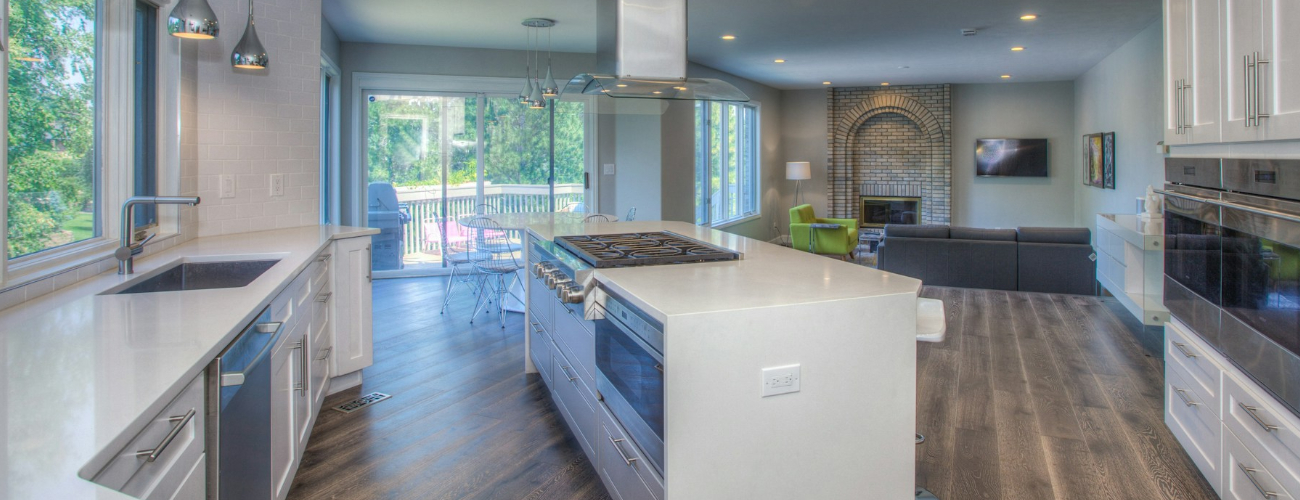
Kitchen Renovation: Where to Begin
Renovating a kitchen is one of the most rewarding—and complex—home improvement projects. The kitchen is the heart of the home, where meals are prepared, memories are made, and daily routines unfold. A successful renovation can enhance your home’s value, functionality, and style. But with so many choices and decisions to make, it’s essential to approach the process with a clear plan. If you’re wondering where to begin, this guide will walk you through the first steps of a well-planned kitchen renovation.
Define Your Goals
Start by identifying why you want to renovate your kitchen. Is your current space outdated? Do you need more storage? Are you looking to create an open-concept layout or improve energy efficiency? Clearly defining your goals will guide every decision you make—from layout and materials to appliances and lighting.
Tip: Make a list of must-haves versus nice-to-haves to help prioritize your budget and design choices.
Evaluate the Existing Layout
Before you start tearing down walls or choosing tile samples, study your current kitchen layout. Does it support a smooth workflow? Are the sink, stove, and refrigerator arranged in a practical triangle? Does the space feel open or cramped? Sometimes, minor changes to layout can make a big difference without requiring a full structural overhaul.
Tip: If you’re considering changing the floor plan, consult with a kitchen designer or contractor to explore your options and avoid unnecessary costs.
Set a Realistic Budget
Kitchen renovations can vary widely in cost, depending on size, materials, and scope of work. Set a clear budget early on and include a 10–20% buffer for unexpected expenses. Consider all cost categories: cabinetry, countertops, appliances, flooring, lighting, plumbing, electrical work, and labor.
Tip: Invest more in high-impact areas like cabinets and countertops, and save on easily replaceable elements like hardware or paint.
Choose Your Style and Design Theme
Establishing a consistent design style will help you make cohesive decisions as the renovation progresses. Whether you prefer modern, farmhouse, transitional, or minimalist, stick to a defined color palette and design language. This ensures that finishes, fixtures, and materials work well together.
Tip: Create a mood board with magazine clippings, online images, or sample materials to visualize how everything will come together.
Plan for Storage and Functionality
Think beyond aesthetics—focus on how the kitchen will function. Optimize cabinet placement, add pull-out shelves or drawer organizers, and consider vertical storage for maximum efficiency. If space allows, a pantry, island, or breakfast nook can add both utility and charm.
Tip: Don’t forget about lighting. Use a mix of ambient, task, and accent lighting to create a well-lit and welcoming space.
Select the Right Materials
The materials you choose will impact not only the look of your kitchen but also its durability and maintenance. Popular countertop choices include quartz, granite, butcher block, and laminate. Cabinet finishes range from painted wood to thermofoil and metal. Flooring should be resilient to moisture and foot traffic—consider tile, luxury vinyl, or engineered wood.
Tip: Choose timeless materials for major surfaces, and use trendy accents (like backsplash tiles) for style that can be easily updated later.
Hire the Right Professionals
Unless you’re tackling a small DIY project, a kitchen renovation often requires the skills of contractors, electricians, plumbers, and designers. Hiring experienced professionals ensures the job is done safely, correctly, and in compliance with local codes.
Tip: Ask for recommendations, check reviews, and interview multiple contractors before signing any agreements.
Prepare for the Disruption
Kitchen renovations can be messy and disruptive. Set up a temporary kitchen in another part of the house, stock up on non-perishable food, and plan simple meals or takeout options during construction. Clear out the kitchen beforehand and protect nearby areas from dust and debris.
Tip: Schedule your renovation during a time that’s less busy in your household to minimize stress.
Final Thoughts
A kitchen renovation doesn’t have to feel overwhelming when approached step-by-step. By defining your goals, setting a budget, choosing a style, and working with the right professionals, you lay the foundation for a successful transformation. With careful planning, your new kitchen can be both beautiful and functional—a space that enhances your daily life and becomes a lasting centerpiece in your home.