

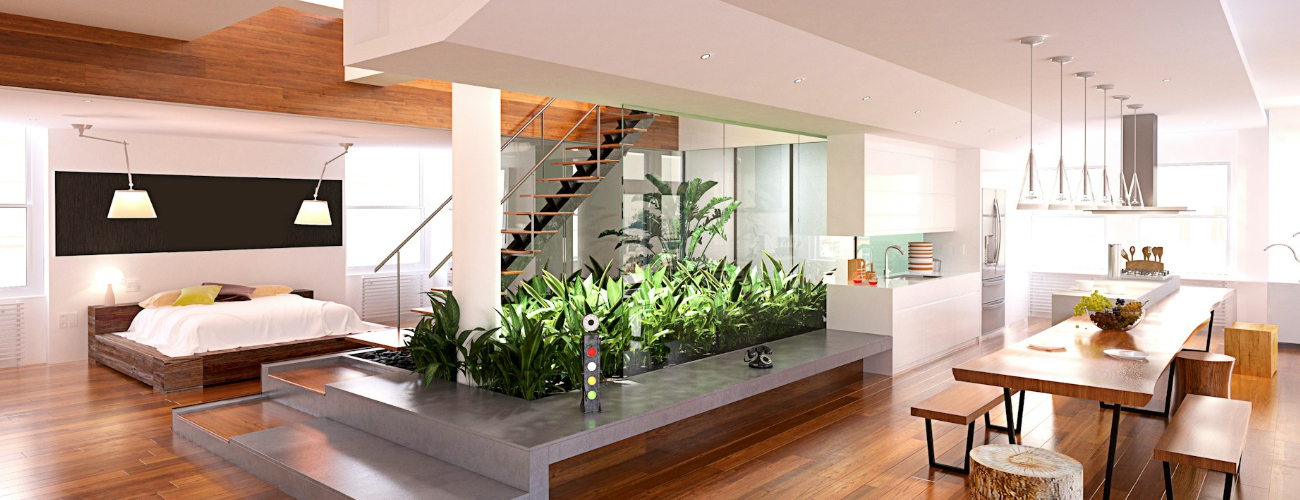
Creating a Cohesive Look Throughout Your Home
A cohesive home design doesn’t mean every room must look exactly the same, but there should be a sense of harmony as you move from one space to another. Creating a unified look enhances the flow of your home, makes spaces feel more intentional, and provides a calming atmosphere. Whether you’re decorating from scratch or renovating individual rooms, the goal is to balance variety with consistency. Here are key tips for creating a cohesive interior design throughout your home.
Start with a Whole-Home Vision
Before choosing paint colors or furniture, step back and consider the overall style you want to achieve. Are you drawn to modern minimalism, rustic farmhouse, coastal charm, or transitional comfort? Defining your aesthetic early on will guide every design decision and help prevent conflicting styles from emerging room to room.
Tip: Collect inspiration in a physical or digital mood board. Include images, color swatches, textures, and furniture styles that reflect your desired look.
Create a Consistent Color Palette
One of the most effective ways to tie spaces together is by using a cohesive color scheme. This doesn’t mean painting every wall the same shade, but rather selecting a palette of 3–5 coordinating colors and repeating them in different rooms. You can vary the proportions and tones for each space while keeping the core palette consistent.
Example: A soft gray, warm white, navy blue, and natural wood can appear throughout the home in walls, upholstery, cabinets, and accessories.
Repeat Materials and Finishes
Using similar materials and finishes throughout the home creates a sense of continuity. If your kitchen has brushed nickel hardware, consider using the same or similar finish in bathroom faucets and lighting. Repeat wood tones, metals, or tile textures in different areas to build subtle connections between rooms.
Tip: Choose two or three finishes and carry them throughout the home to avoid a mismatched or overly busy appearance.
Maintain Flow with Flooring
Consistent flooring enhances visual flow and makes spaces feel larger and more connected. While using the same flooring material across the entire home is ideal, it’s not always practical. In such cases, choose flooring that complements one another in tone and texture—especially in areas where rooms connect without doors.
Tip: Area rugs are a great tool for adding variety while keeping the base flooring consistent.
Coordinate Architectural Details
Trim, molding, door styles, and window treatments often get overlooked but play a critical role in visual unity. Choose consistent shapes, profiles, and paint finishes for elements like baseboards, crown molding, and interior doors. This is especially important in open-concept homes where transitions are more visible.
Use Lighting to Unite Spaces
Lighting not only affects mood but also helps establish a unified style. Select fixtures that reflect the same design language—whether that’s sleek and modern, classic and traditional, or rustic and industrial. You don’t need identical lights in every room, but they should feel like part of the same family.
Tip: Incorporate layered lighting (ambient, task, and accent) in every room for both function and style.
Vary Textures, Not Themes
To keep your home from feeling too uniform or sterile, introduce variety through textures and subtle changes in tone. Mix soft fabrics like linen and velvet with harder surfaces like metal and wood. Even within a cohesive style, texture adds depth and personality.
Tip: Use throw pillows, blankets, curtains, and rugs to add dimension and comfort without straying from your core design.
Connect Rooms with Thoughtful Transitions
Open doorways, hallways, and staircases serve as transitions between rooms. Use these areas to reinforce your home’s overall aesthetic. A runner rug, gallery wall, or pendant light in a hallway can echo themes from adjacent spaces and maintain flow.
Tip: Paint trim and doors in transition areas the same color as the surrounding rooms to smooth the visual shift.
Choose Art and Decor That Speak the Same Language
Your artwork and decorative accents should reflect your home’s overall mood. For example, abstract paintings, black-and-white photography, and minimalist sculptures pair well in a modern home. Similarly, vintage signs, landscapes, and handcrafted objects suit a more rustic space.
Tip: Use a consistent framing style for photos and art across different rooms to enhance cohesion.
Final Thoughts
A cohesive home doesn’t require uniformity—it requires thoughtful repetition, balance, and connection. By establishing a clear vision, coordinating color schemes, and repeating key materials and design elements, you can create a space where each room has its own personality while contributing to a unified whole. The result is a home that feels harmonious, welcoming, and beautifully designed from end to end.