

The Ultimate Guide to Choosing the Right Plaster for Your Home Renovation
When it comes to home renovation, selecting the right plaster is a key decision that can significantly impact the overall appearance and durability of your walls. Plaster has been used for centuries as a reliable wall finishing material, offering both aesthetic appeal and functional benefits. However, not all plasters are created equal, and choosing the right type for your project can be challenging. This guide will help you understand the different types of plaster and how to choose the best one for your home renovation needs.
Understanding the Basics: What is Plaster?
Plaster is a versatile wall finishing material made from a mixture of water, sand, and either lime, gypsum, or cement. It is applied in wet layers to walls or ceilings, where it dries and hardens to form a smooth, durable surface. Plaster provides excellent insulation, fire resistance, and soundproofing, making it a popular choice for both modern and historic homes.
Types of Plaster: Which One is Right for You?
There are several types of plaster, each with its own unique characteristics and ideal applications. Here’s a breakdown of the most common types:
- Lime Plaster: Made from limestone and water, lime plaster is known for its breathability and flexibility. It’s an excellent choice for older or historic homes, as it allows moisture to escape and prevents cracking. Lime plaster is ideal for surfaces that need to expand and contract with temperature changes.
- Gypsum Plaster: Gypsum plaster, or plaster of Paris, is one of the most popular choices for modern homes due to its quick-drying properties. It provides a smooth finish and can be easily sanded and painted. Gypsum plaster is best used for interior walls and ceilings, as it is not moisture-resistant.
- Cement Plaster: For areas prone to moisture, like bathrooms or kitchens, cement plaster is a durable option. It’s water-resistant and more rugged than lime or gypsum plaster, making it ideal for exterior walls or high-traffic areas. However, cement plaster can be less flexible and may develop cracks over time if not applied properly.
- Venetian Plaster: This decorative plaster is applied in thin layers and polished to create a marble-like finish. Venetian plaster adds elegance and texture to walls and is perfect for creating a sophisticated, high-end look in living spaces or formal areas.
Consider Your Home’s Style and Needs
When choosing plaster, it’s essential to consider your home’s architectural style, as well as the specific needs of each room. For instance, if you’re renovating a historic home, lime plaster may be the best choice for maintaining its original character. On the other hand, for a modern home with a focus on speed and convenience, gypsum plaster might be more suitable due to its quick drying time.
Additionally, think about the environment in each room. High-moisture areas, like bathrooms, require a plaster that can resist water and prevent mold growth, making cement plaster the go-to option. For living rooms and bedrooms, where aesthetics are key, Venetian plaster offers a beautiful and luxurious finish.
Application Methods: DIY or Hire a Pro?
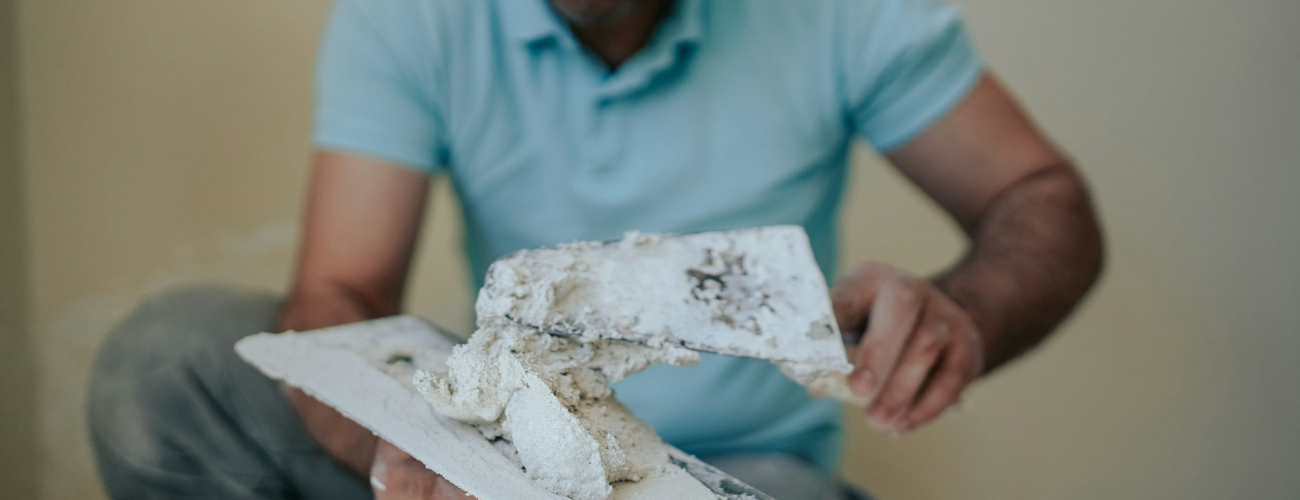
Plastering is a skill-intensive task that requires experience and attention to detail. While small patch jobs can be handled as DIY projects, large-scale plastering is best left to professionals. Improper application can lead to cracking, uneven surfaces, and other issues that can be costly to fix later.
If you’re opting for a specialty plaster like Venetian or lime, hiring a professional who is familiar with the material’s unique properties is crucial. A skilled plasterer can ensure that the product is applied correctly and evenly, creating a flawless finish.
Maintenance and Longevity
One of the key advantages of plaster is its longevity, but proper maintenance is essential to keep it looking its best. Lime plaster, for instance, may need to be periodically re-coated to maintain its flexibility and durability. Gypsum and cement plaster, on the other hand, are more low-maintenance and can last for many years with minimal upkeep.
Cracks or damages to plaster walls can be easily repaired with patching materials, but it’s important to address any moisture issues promptly to avoid further damage. Regular inspections and maintenance will ensure that your plastered walls remain in top condition for years to come.
Conclusion
Choosing the right plaster for your home renovation project depends on several factors, including your home’s architectural style, the room’s environment, and your personal aesthetic preferences. Whether you opt for the breathability of lime, the quick-drying properties of gypsum, or the durability of cement, selecting the right plaster will ensure that your renovation project results in beautiful, long-lasting walls. For best results, consult with a professional plasterer to ensure that your chosen material is applied correctly and meets your home’s specific needs.