

Fixing Uneven Floors: What You Need to Know
Uneven floors are a common issue in both old and new homes. Whether caused by settling foundations, moisture damage, or poor construction, a sloped or bumpy floor can lead to problems with furniture placement, floor installations, and even safety. Fortunately, with the right approach, fixing uneven floors is entirely possible—and often essential—before beginning a remodeling project.
Here’s what homeowners need to know about identifying and correcting uneven floors.
How to Tell If Your Floor Is Uneven
Some signs are obvious: you might notice visible sloping, gaps under baseboards, or furniture that wobbles. Others are more subtle and require closer inspection:
- Cracks in the walls or ceilings
- Doors that don’t close properly
- Loose or creaky floorboards
- Tile or hardwood planks that have lifted or separated
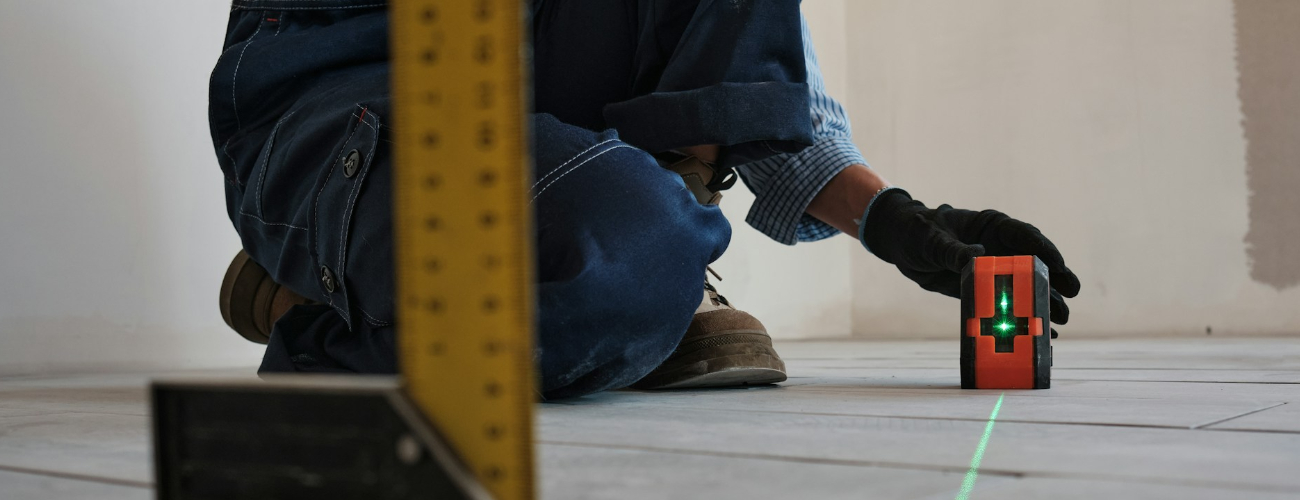
Use a long level, straight edge, or marble ball test to check the floor’s slope in different directions. In some cases, a professional may be needed to identify deeper structural issues.
Understand the Cause Before Making Repairs
Before making any cosmetic fixes, it’s crucial to identify the root cause of the unevenness. Some common causes include:
- Foundation settlement: Over time, soil movement or poor construction can cause a foundation to sink or shift.
- Moisture damage: Leaks or high humidity can lead to warped wood, mold, or rot under flooring.
- Structural issues: Damaged joists, beams, or subflooring can cause sections of the floor to dip or sag.
- Poor installation: Floors not leveled properly during initial construction or remodeling.
A structural engineer or contractor can help determine whether the issue is minor or needs major correction.
Fixing Uneven Concrete Subfloors
For concrete slabs that are cracked or uneven, self-leveling compound is often the solution. This liquid mixture spreads evenly and hardens into a smooth, level surface. Here’s how it works:
- Clean the floor thoroughly.
- Seal any large cracks with filler.
- Apply primer to improve bonding.
- Pour and spread the self-leveling compound.
- Let it cure for the recommended time.
Once dry, it provides a perfect surface for installing new flooring such as tile, vinyl, or laminate.
Fixing Uneven Wood Subfloors
Wood subfloors can be more complex, especially if joists or beams are involved. Common repair options include:
- Sanding high spots: Ideal for minor unevenness before installing flooring.
- Shimming low areas: Thin wood strips are added under the subfloor to raise low spots.
- Sistering joists: Reinforcing or adding new joists alongside damaged ones.
- Replacing damaged sections: If there is rot or structural damage, replacement is the safest option.
Plywood overlays can also help create a smoother surface before flooring is installed.
Flooring Options That Work Well Over Uneven Surfaces
If complete leveling isn’t possible, some flooring types are more forgiving:
- Luxury Vinyl Plank (LVP): Flexible and installs well with minor imperfections.
- Carpet: Can hide minor dips and bumps with proper padding.
- Floating floors: Laminate and engineered hardwood with underlayment may help bridge small uneven areas.
Always check the manufacturer’s requirements before installation to avoid voiding warranties.
When to Call a Professional
While minor fixes can be DIY-friendly, severe cases—especially those involving foundation issues or structural repairs—should be handled by licensed professionals. Attempting to level a floor without understanding the cause may only lead to more costly problems down the road.
Final Thoughts
Fixing uneven floors is a crucial step in any successful home renovation. Not only does it improve safety and comfort, but it also ensures that new flooring lasts longer and looks better. Whether you’re tackling the job yourself or hiring a contractor, taking the time to do it right will pay off in both function and aesthetics.