

Finished vs. Unfinished Basements: Pros and Cons
Basements are often one of the largest yet most overlooked areas of a home. Some homeowners view them as purely functional spaces, while others see an opportunity to expand living areas and improve overall comfort. Choosing between a finished and unfinished basement depends on budget, lifestyle, maintenance expectations, and long-term plans. Each option has distinct advantages and disadvantages that should be carefully considered before making a decision.
What Is a Finished Basement?
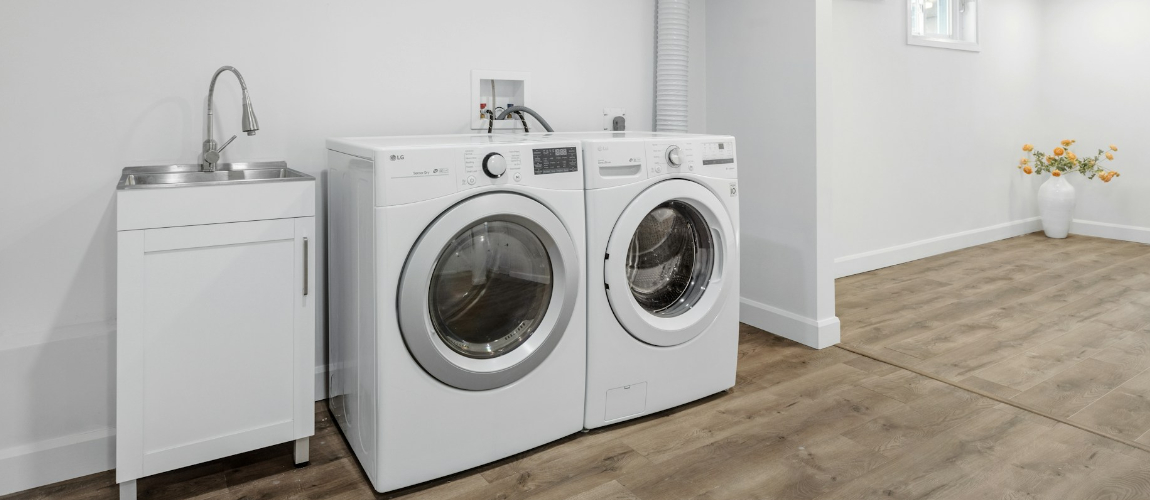
A finished basement is fully renovated and designed to function like the rest of the home. It typically includes insulated walls, drywall, finished ceilings, flooring, lighting, electrical outlets, and climate control. Many finished basements also feature bathrooms, storage rooms, or even small kitchens. These spaces are often used as family rooms, guest suites, home offices, or entertainment areas.
Pros of a Finished Basement
One of the main benefits of a finished basement is the increase in usable living space without expanding the home’s footprint. This additional square footage can significantly improve daily comfort and flexibility, especially for growing families or households that need dedicated work or recreational areas.
A finished basement can also increase a home’s resale value. Buyers often see finished basements as a major advantage, particularly when they are well-lit, dry, and thoughtfully designed. From a design perspective, finishing a basement allows for customization, including modern lighting, built-in storage, and cohesive interior styling that matches the rest of the home.
Cons of a Finished Basement
The primary drawback of a finished basement is cost. Renovation expenses can be substantial, especially if moisture control, waterproofing, insulation, or structural upgrades are required. Electrical and plumbing work can further increase the budget.
Maintenance is another concern. Basements are more prone to humidity, leaks, and flooding. If moisture problems arise, finished materials such as drywall, flooring, and trim may need to be removed and replaced. In addition, finished walls and ceilings limit access to pipes, wiring, and foundation elements, which can make future repairs more complex and time-consuming.
What Is an Unfinished Basement?
An unfinished basement is typically left in its raw state, with exposed concrete walls or foundation blocks, visible beams, open ceilings, and minimal lighting. These spaces are often used for storage, laundry, mechanical systems, or workshops. While unfinished basements lack comfort, they offer practicality and flexibility.
Pros of an Unfinished Basement
The biggest advantage of an unfinished basement is affordability. Since no major renovations are involved, costs remain low, making it an appealing option for homeowners on a tighter budget. Unfinished basements are also easier to maintain, as potential water leaks or foundation issues are visible and can be addressed quickly.
Another benefit is accessibility. With exposed plumbing, wiring, and structural components, repairs and upgrades are simpler and less expensive. Unfinished basements also provide flexible utility space, ideal for storage, home projects, or future renovation plans.
Cons of an Unfinished Basement
The main limitation of an unfinished basement is its lack of comfort and usability. These spaces are often cold, dim, and uninviting, which restricts how they can be used. Unfinished basements typically do not add much perceived value to a home and may be seen as wasted space by potential buyers. From a design standpoint, they offer little visual appeal and do not contribute to the overall interior aesthetic.
Making the Right Choice
The decision between a finished and unfinished basement should be based on current needs and long-term goals. A finished basement is ideal for homeowners seeking more livable space and higher resale value, while an unfinished basement works well for those prioritizing budget, easy maintenance, and functional storage. In many cases, a partially finished basement can offer a balanced solution, combining comfort with practicality. Thoughtful planning ensures the basement becomes an asset rather than a limitation.