

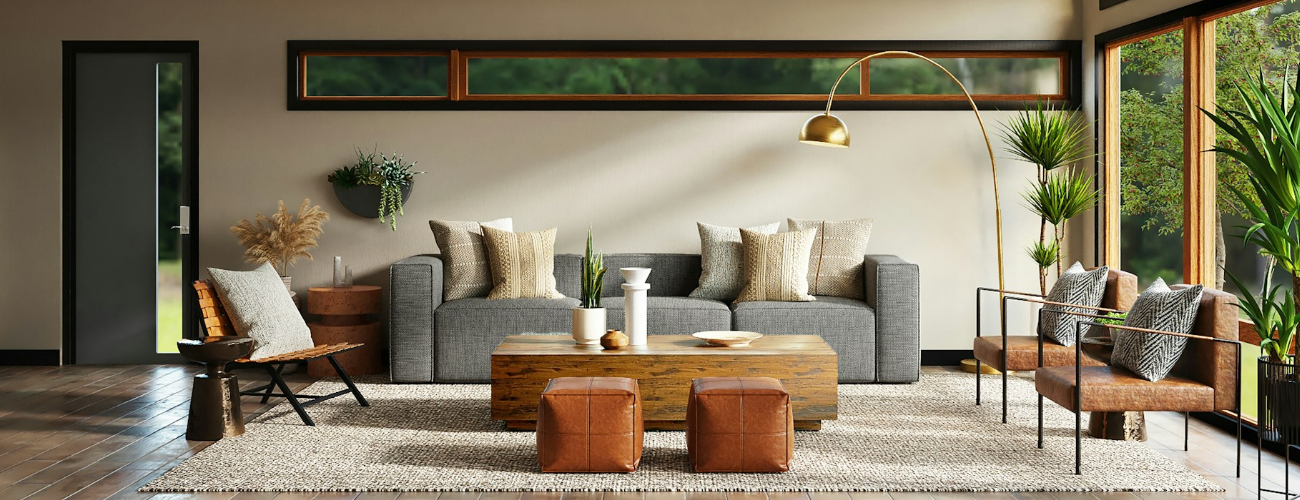
Wood, Metal, and Glass: Balancing Hard Materials in the Home
When designing or renovating a home, the choice of materials plays a crucial role in shaping both the style and atmosphere of each space. Among the most commonly used hard materials in modern interiors are wood, metal, and glass. Each brings its own visual weight, texture, and character—and when balanced correctly, these elements can create interiors that feel harmonious, dynamic, and timeless.
In 2025, interior designers are focusing on material contrast and composition to build spaces that are both functional and expressive. Here’s how to effectively incorporate and balance wood, metal, and glass throughout the home.
Wood: Warmth and Natural Character
Wood is one of the most beloved materials in interior design due to its natural beauty, texture, and warmth. Whether it’s light oak, rich walnut, or rustic reclaimed wood, it adds a sense of comfort and organic appeal to any room.
Where to use it:
- Flooring for a warm foundation
- Cabinetry in kitchens and bathrooms
- Exposed ceiling beams or wall paneling
- Furniture like dining tables, coffee tables, and shelving
Tips for balance:
To avoid overwhelming a space, vary wood tones and mix wood with contrasting materials. For example, pair wood cabinets with metal hardware or wood floors with glass light fixtures. Using too much of the same wood finish can make the space feel flat or dated.
Metal: Strength and Sleekness
Metal offers structure, shine, and modernity. From polished chrome and brushed brass to matte black steel, metal adds a sense of precision and contrast to softer materials like wood and fabric.
Where to use it:
- Hardware and fixtures (handles, faucets, hinges)
- Light fixtures and ceiling fans
- Furniture legs and frames
- Decorative accents like mirrors, rails, or staircases
Tips for balance:
Incorporate metal as a supporting element. Use it to accent or frame rather than dominate. Mixing metal finishes (like matte black with brushed gold) can add sophistication, but keep the palette to two or three metals per space for visual clarity.
Glass: Light and Openness
Glass plays a unique role in interior design by providing transparency, reflection, and light transmission. It helps open up spaces, making them feel larger and more connected. Glass also pairs well with both wood and metal, acting as a neutral mediator between the two.
Where to use it:
- Windows and glass doors for natural light
- Glass railings for modern staircases or balconies
- Shower enclosures and bathroom partitions
- Tabletops, shelves, or pendant lighting
Tips for balance:
Use glass strategically to create openness without losing structure. Frosted or textured glass adds privacy without blocking light. In smaller rooms, glass surfaces can reduce visual weight and enhance the flow between areas.
How to Combine All Three Materials
To successfully mix wood, metal, and glass in the home, the key lies in proportion, placement, and contrast. Here are a few design strategies:
- Create focal points: Let one material dominate in each space, while the others play supportive roles. For example, in a kitchen with wood cabinetry, use glass pendant lights and metal barstools to balance.
- Repeat materials subtly: Repeating each material in different forms throughout the home creates cohesion. A metal staircase can be echoed in metal-framed mirrors or table legs. Glass used in stair rails can be repeated in cabinet fronts or shower enclosures.
- Balance textures and finishes: Pair rough-sawn wood with smooth metal for contrast. Match matte metal finishes with clear or frosted glass for a more understated elegance.
- Mind the color palette: Ensure that your color scheme complements the tones of the materials. Warm metals like brass pair well with rich woods, while cooler metals like chrome suit lighter wood tones and clear glass.
Final Thoughts
Combining wood, metal, and glass in home design allows for endless creative possibilities. Wood brings warmth, metal adds structure, and glass opens up space. When thoughtfully balanced, these three materials can work together to define zones, highlight focal points, and elevate the overall look and feel of your home.
Whether you’re planning a renovation or styling a new build, don’t shy away from mixing materials. Instead, embrace the contrast, and let texture, tone, and finish guide your design choices. The result will be a space that’s layered, inviting, and distinctly yours.