

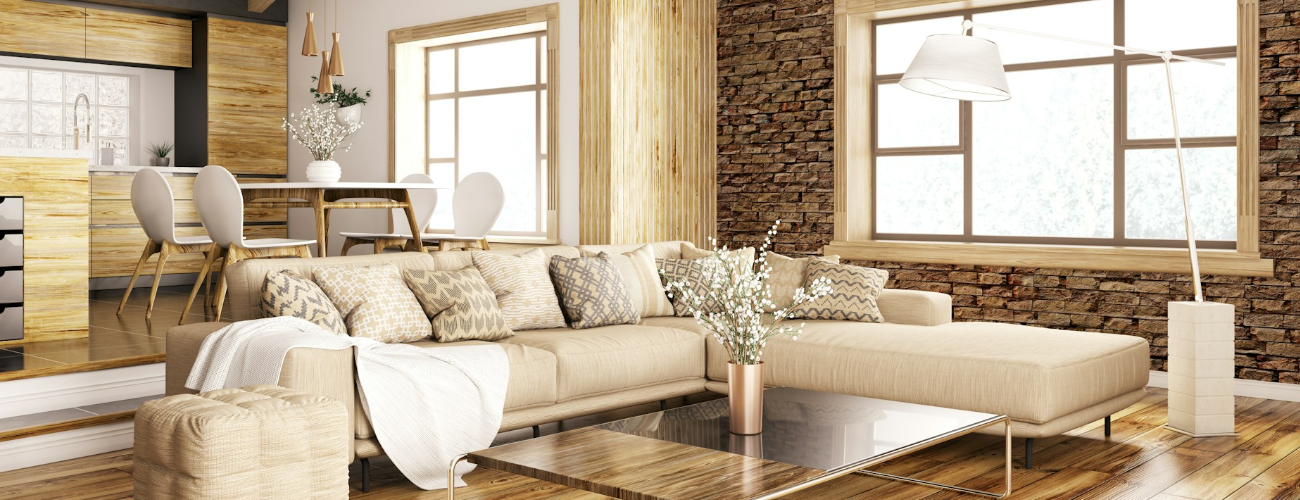
Window Trim and Molding Ideas to Elevate Your Interior Design
Window trim and molding are often overlooked details, yet they play a major role in shaping the overall aesthetic of a room. Much like a frame completes a painting, the right trim can enhance your windows, define architectural style, and give your home a polished, finished appearance. Whether you prefer modern minimalism or traditional elegance, well-chosen window trim and molding can completely transform your interior design.
The Role of Window Trim in Interior Design
Window trim serves both functional and decorative purposes. It conceals gaps between the window frame and the wall, providing a smooth transition and a clean edge. Aesthetically, it helps tie together design elements such as baseboards, crown molding, and door casings, ensuring a consistent flow throughout the home. The right trim can highlight your windows, enhance natural light, and even make ceilings appear higher or rooms feel larger.
Classic Styles: Timeless Elegance
Traditional interiors often feature ornate or layered moldings that add depth and richness. Colonial and Craftsman-style homes typically use wider casings with decorative headpieces or rosettes. Crowned or pediment-style trims can bring a touch of grandeur to living or dining rooms. Painting the trim white or off-white provides a timeless contrast against colorful walls, while stained wood finishes showcase natural warmth and craftsmanship.
For a farmhouse or cottage-inspired look, opt for simple, flat casings with slightly beveled edges. Pair them with shiplap walls or rustic wood textures to enhance the cozy, handcrafted feel. Trim doesn’t have to be elaborate to make an impact—sometimes, clean lines and quality materials speak loudest.
Modern and Minimalist Designs
In modern and contemporary spaces, less is often more. Sleek, narrow casings or trimless windows emphasize openness and allow the architecture to shine. Painted trim that matches the wall color creates a seamless, unified look that draws attention to the view rather than the frame. Alternatively, black or dark gray trim can make a bold statement, adding drama and contrast, especially in rooms with large, unobstructed windows.
Metallic or matte finishes also fit beautifully in modern interiors. Aluminum or steel edge trims can complement industrial-style designs, while crisp white trim maintains a clean, architectural aesthetic.
Layered Moldings for Depth and Character
If you want to give your home a high-end, custom feel, consider layering multiple molding profiles. Combining flat stock boards with crown molding or backband trim can create a sophisticated, dimensional effect. This approach works especially well in larger rooms with tall ceilings, where thicker trims enhance scale and balance.
Layered trim also allows for creative combinations—pairing painted inner casings with a stained wood outer frame or adding subtle detailing like bead molding for extra texture. The key is proportionality: the molding should enhance the window, not overwhelm it.
Color and Finish Choices
The finish of your trim greatly influences the mood of the room. White remains a classic choice—it brightens interiors and pairs well with any color palette. Natural wood tones bring warmth and depth, while darker finishes lend sophistication and contrast.
For an artistic twist, try painting the trim in an accent color that complements your décor. Soft pastels can add charm to vintage-inspired rooms, while bold hues can make a contemporary statement. Satin or semi-gloss finishes are ideal for trim since they’re durable and easy to clean, while also subtly reflecting light.
Coordinating Trim with the Rest of Your Home
Consistency is key when designing with trim and molding. Matching window casings with baseboards, crown moldings, and door frames helps unify your interior. However, slight variations can create interest—for instance, using more ornate molding in formal areas and simpler profiles in casual spaces. The goal is to create visual continuity while respecting each room’s purpose and personality.
Final Thoughts
Window trim and molding are the finishing touches that define your home’s character. They bridge the gap between architecture and interior design, bringing structure, warmth, and refinement to every space. Whether understated or decorative, classic or modern, the right trim elevates not only your windows but the entire atmosphere of your home. Thoughtful details make all the difference—and beautiful trim work proves that elegance is often found in the smallest elements.