

Window Frame Materials: Wood, Vinyl, Aluminum, and Fiberglass
Windows are more than just functional openings—they shape the style, comfort, and efficiency of your home. One of the most important choices when selecting new windows is the frame material. The frame determines durability, insulation, aesthetics, and maintenance needs. With several options available, it’s essential to understand the strengths and drawbacks of each material before making a decision. The four most common choices—wood, vinyl, aluminum, and fiberglass—all offer unique benefits that suit different styles, budgets, and performance expectations.
Wood Window Frames
Pros:
Wood has been the traditional choice for centuries, valued for its warmth, elegance, and timeless appeal. It offers excellent insulation, keeping homes cozy in winter and cool in summer. Wood can be painted or stained in countless finishes, making it versatile for different architectural styles.
Cons:
However, wood requires consistent maintenance. Without proper sealing, it can warp, rot, or attract pests. Regular painting or staining is necessary to preserve its beauty and longevity. Wood windows are also typically more expensive than other options, making them a luxury investment for homeowners seeking authenticity and classic charm.
Vinyl Window Frames
Pros:
Vinyl is one of the most popular window frame materials thanks to its affordability and low maintenance. Resistant to moisture, vinyl does not peel, warp, or rot. It provides good insulation and comes in a variety of colors and styles, often designed to mimic painted wood. Vinyl windows are energy-efficient and budget-friendly, making them a practical option for many homeowners.
Cons:
On the downside, vinyl is less durable than other materials and may expand or contract with extreme temperature changes. While color options are available, they are not as customizable as wood, and once manufactured, the frames cannot be repainted. Over time, cheaper vinyl products may also fade or crack.
Aluminum Window Frames
Pros:
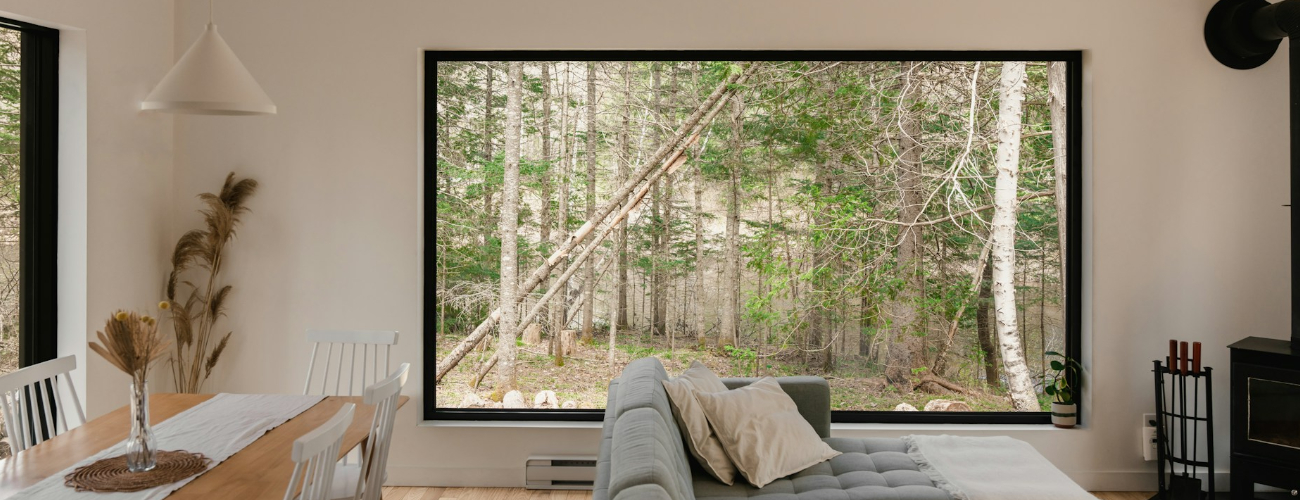
Aluminum frames are strong, lightweight, and modern in appearance. They are especially suitable for large windows or contemporary homes that favor sleek, minimalist designs. Because of their strength, aluminum frames can support thin profiles, allowing for larger glass panes and unobstructed views. They also require very little maintenance and are resistant to warping or swelling.
Cons:
The main drawback is energy efficiency. Aluminum conducts heat and cold, which can lead to poor insulation compared to other materials. While thermal breaks and insulated frames improve performance, aluminum is still less efficient than wood, vinyl, or fiberglass. It can also be prone to condensation, which may cause issues over time.
Fiberglass Window Frames
Pros:
Fiberglass is considered one of the best-performing window frame materials on the market. It is extremely durable, energy-efficient, and resistant to warping, swelling, or rotting. Fiberglass frames expand and contract very little with temperature changes, making them ideal for climates with wide seasonal variations. They can be painted to match any color scheme, offering flexibility in design.
Cons:
The main disadvantage of fiberglass is cost. These windows are typically more expensive than vinyl or aluminum, though they require less maintenance than wood. Installation may also be limited to certain suppliers or contractors with expertise in fiberglass products.
Choosing the Right Material
The best window frame material depends on your priorities:
- For timeless beauty and tradition: Choose wood.
- For affordability and low maintenance: Go with vinyl.
- For modern style and strength: Opt for aluminum.
- For performance and durability: Invest in fiberglass.
Conclusion
Window frames play a vital role in both the performance and style of your home. By understanding the pros and cons of wood, vinyl, aluminum, and fiberglass, you can make an informed decision that balances budget, aesthetics, and long-term value. Whether you prefer the classic warmth of wood, the practicality of vinyl, the sleek lines of aluminum, or the superior performance of fiberglass, the right choice will enhance your home’s comfort and curb appeal for years to come.